
Chicago Neighborhoods Redefining Inclusive Economic Growth
Chicago Neighborhoods Redefining Inclusive Economic Growth
This year, Loyola University Chicago’s Baumhart Center, the Institute for Racial Justice, Loyola University Chicago, and the Chicagoland Chamber of Commerce worked together to organize the Impact Through Alliance Series—a citywide exploration of how business, policy, and community leaders can come together to build stronger, more inclusive economies.
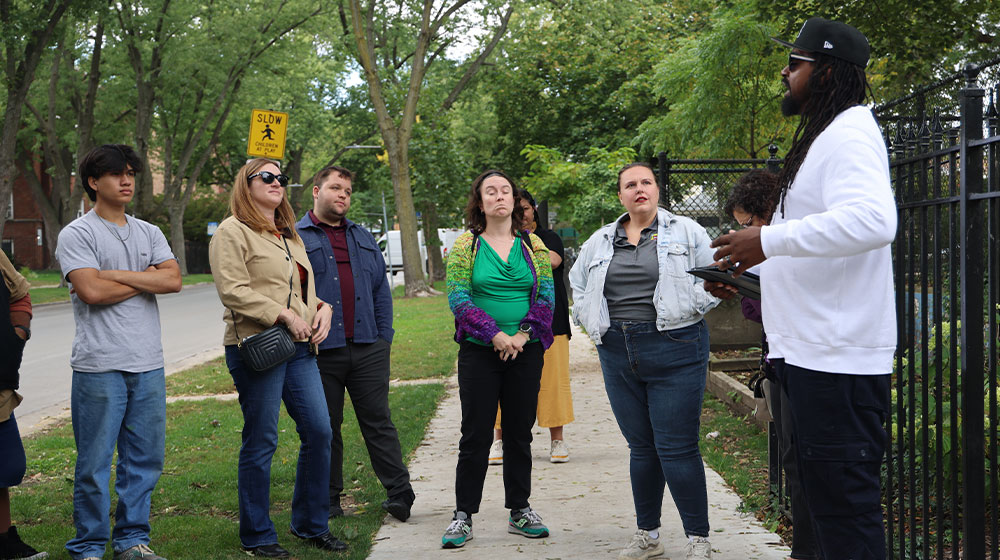
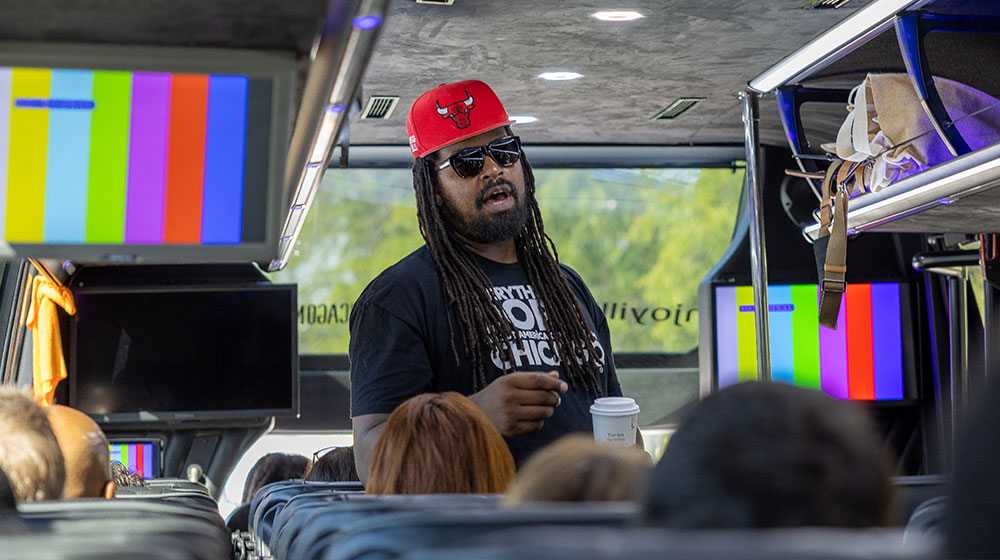
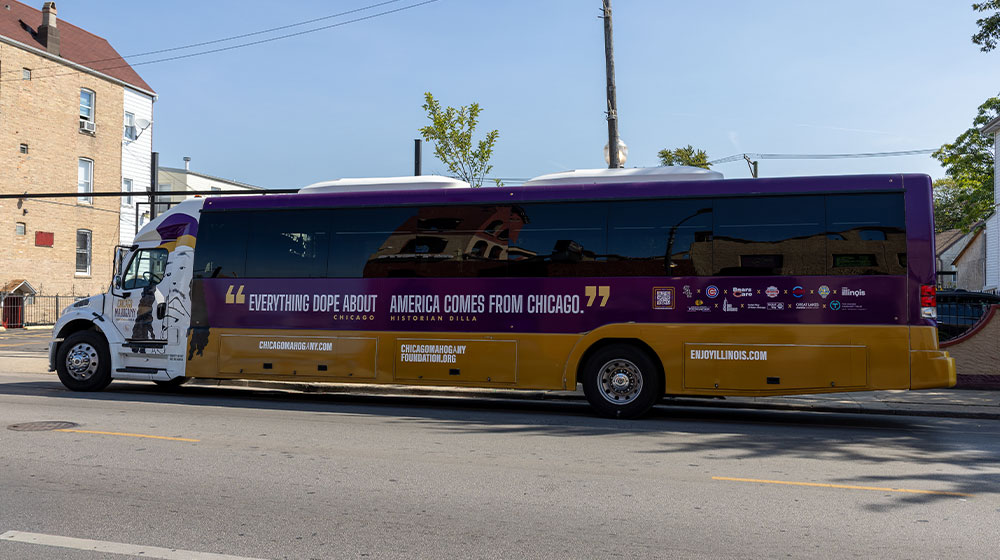
Through immersive neighborhood tours in Englewood, Rogers Park, and Little Village, led by Chicago historian and storyteller Dilla, participants saw firsthand how history, entrepreneurship, and collaboration transform local economies. Each visit concluded with a panel discussion featuring local business owners, community leaders, and researchers, surfacing both the pressing challenges and the powerful possibilities of neighborhood-based economic development.
Englewood
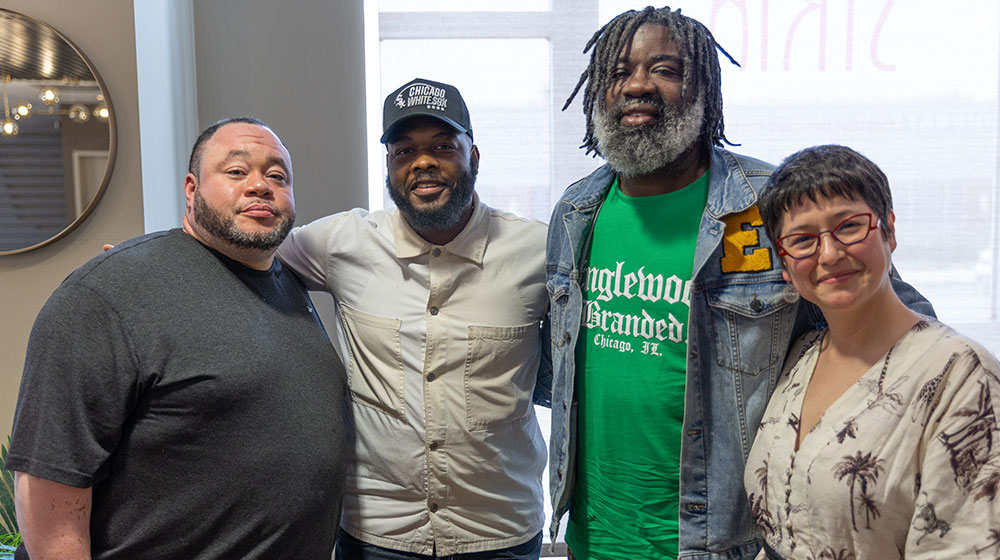
Left to Right: Jared Hicks, Jordan Bester, Corie Luckett, Dr. Teresa Gonzales
The first stop took us to Englewood, a neighborhood rich in history, innovation, and pride. The day concluded at Kennedy-King College with a thoughtful panel, featuring Jared Hicks, Owner, Englewood Hardware & Paint; Jordan Bester (moderator), Program Director, Greater Englewood Chamber of Commerce; Corie Luckett, Owner, Englewood Branded, Inc.; and Dr. Teresa Gonzales, Assistant Professor of Sociology, Loyola University Chicago.
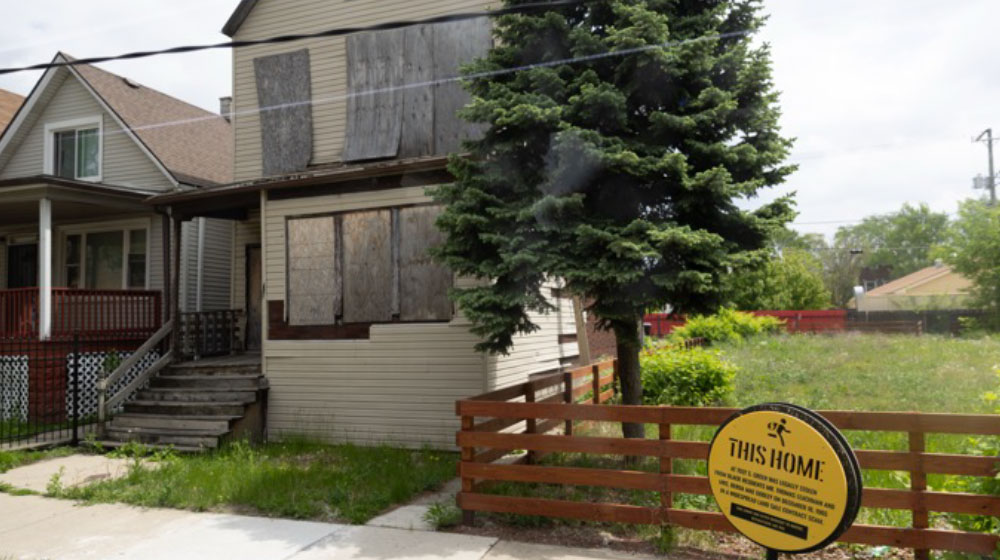
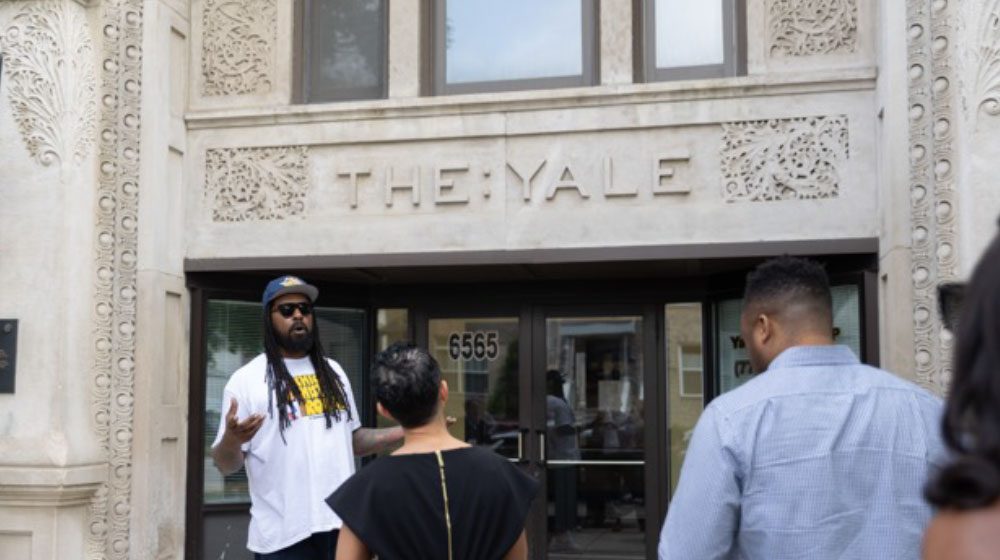
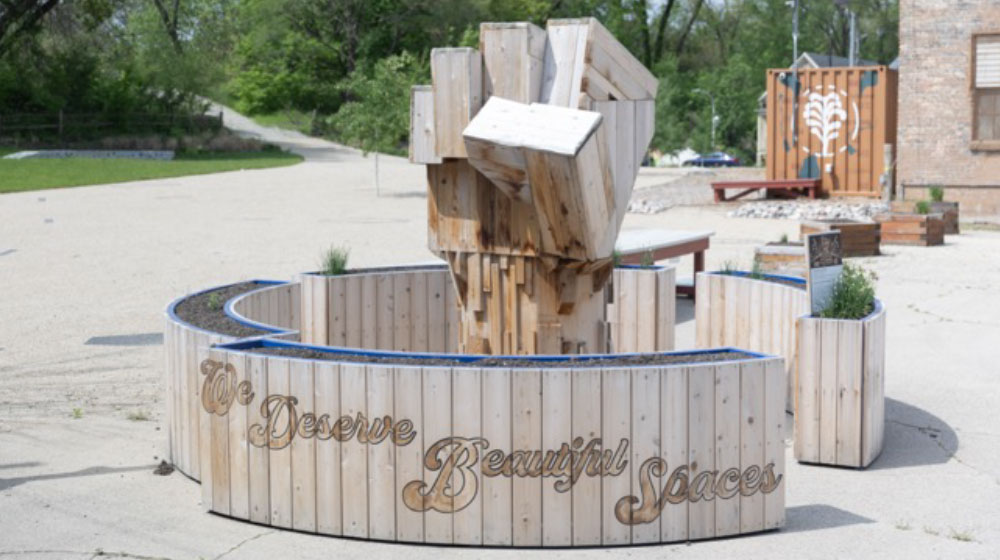
A central theme emerged from this discussion: the power of storytelling. Historically, media narratives have portrayed Englewood through a negative lens, obscuring the creativity and resilience of its residents. Panelists urged attendees to counter those misconceptions by sharing stories of progress and pride. From thriving local shops to youth-driven programs like Crushers Club, there are a lot more positive stories to be celebrated.
This conversation also highlighted the urgent need for infrastructure investment and consistent political support from city government officials post-election.
Rogers Park
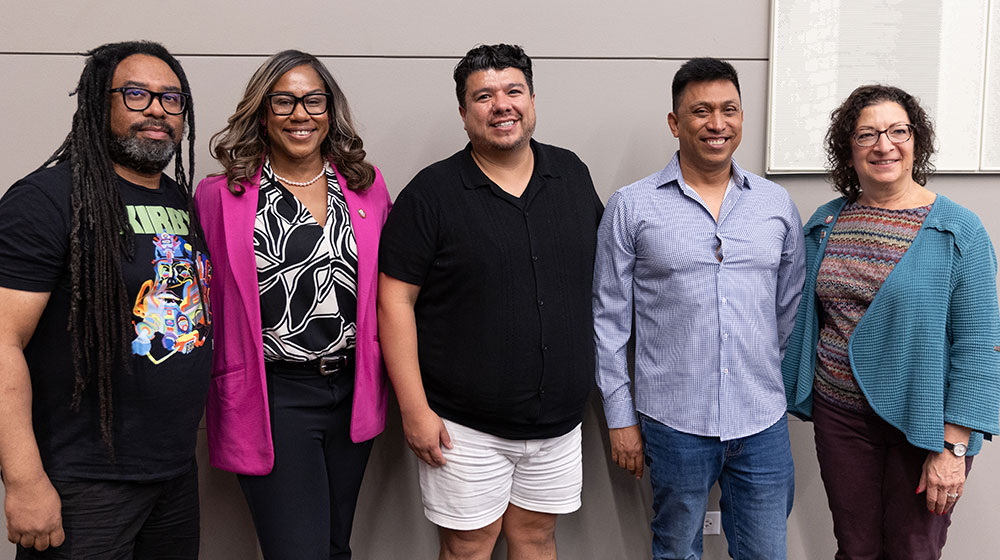
Left to Right: Terrence Gant, Summur Lawson, Àngel B. Casas, Antonio Diaz Aranda, Sandi Price
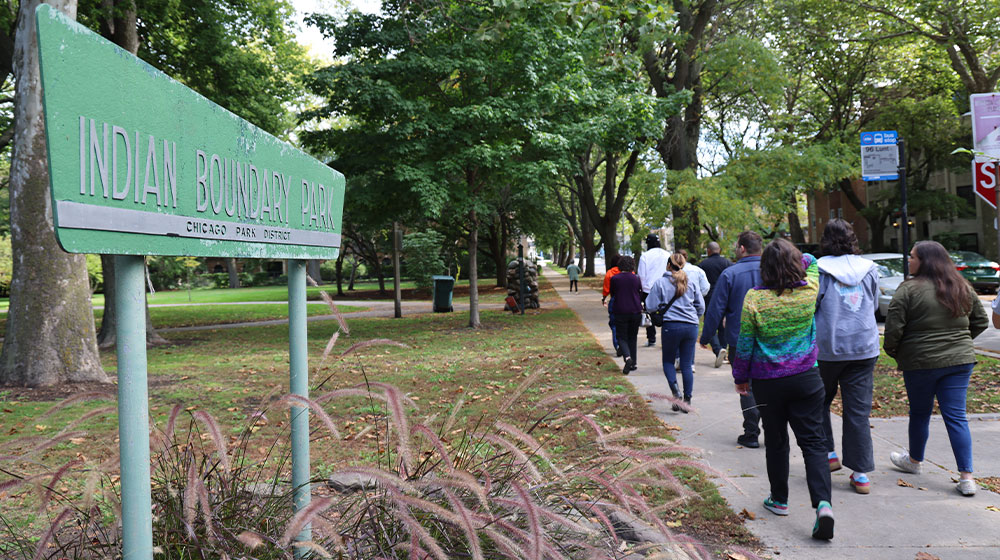
Our next stop on the tour was Rogers Park, a diverse community rooted in collaboration. Led by Dilla, participants explored local landmarks before gathering at Loyola’s Lake Shore Campus for a panel, featuring Terry Gant, Owner, Third Coast Comics/Rogers Park Business Alliance Board Chair; Summur Lawson, Director of Civic Engagement, Loyola University Chicago; Àngel B. Casas, Founder/Owner, The Body Liberation Movement; Antonio Diaz Aranda, Owner, South of the Border Restaurant; and Sandi Price (moderator), Executive Director, Rogers Park Business Alliance (RPBA).
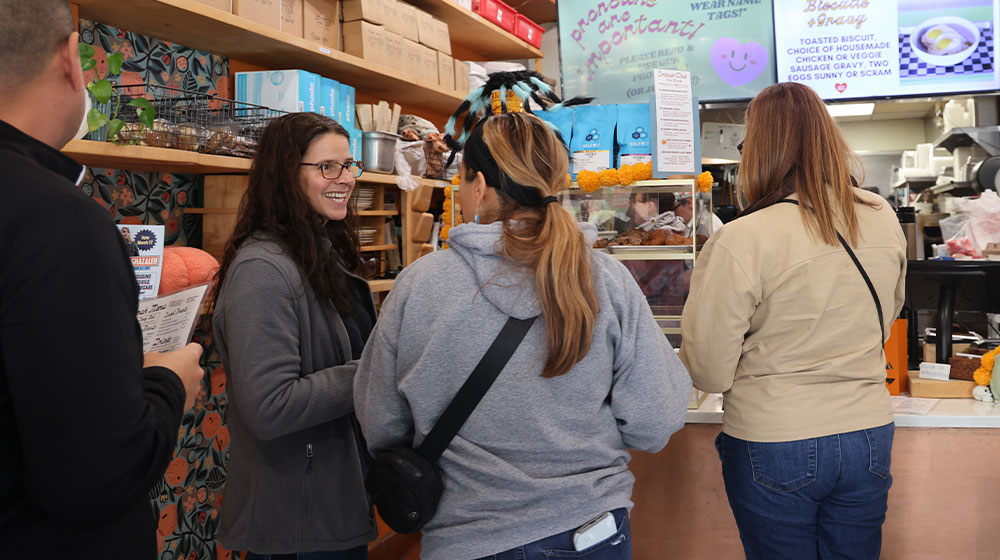
Panelists discussed the realities of small business ownership, from the need for mental health support and relief from burnout to the importance of equitable pricing and inclusive hiring. RPBA shared its hands-on approach to meeting those needs: licensing support, bilingual entrepreneurial training through Grow/Progresando, and consultant-matching to help underserved businesses.
A recurring insight was the impact of anchor institutions like Loyola University Chicago, which strengthens community ties through shared retail spaces, services, and initiatives such as Lake Shore Community Partners.
Little Village
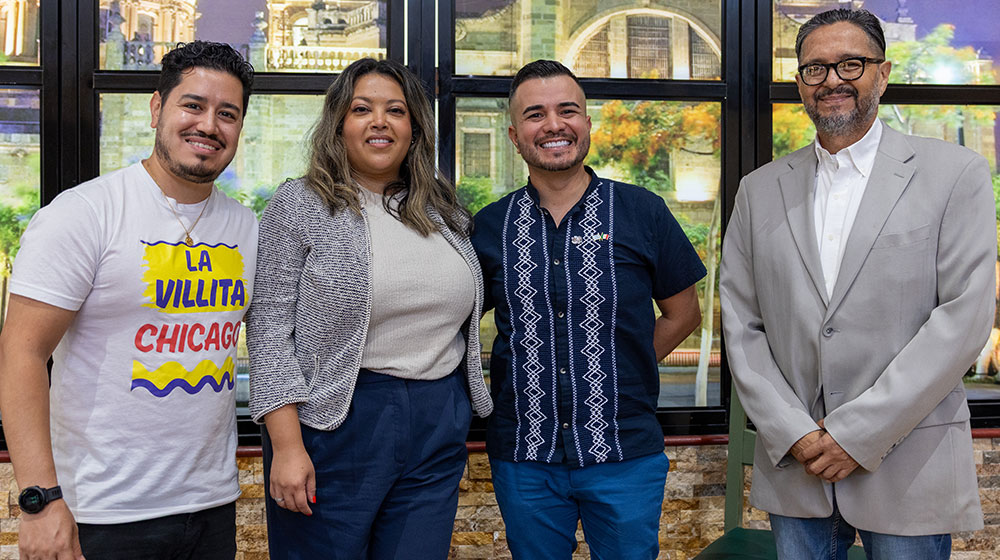
Left to Right: Mike Moreno, Nubia Willman, Ambrocio Gonzalez, Roberto Cornelio
Our final stop of the tour brought us to Little Village, a neighborhood celebrated for its deep family roots and entrepreneurial legacy. After the bus tour, attendees gathered at Mi Tierra restaurant for a meal and a panel discussion, featuring Mike Moreno, Owner, Ositos Tap; Nubia Willman, Founder/CEO, Latinas Uprising/Chief Programs Officer, Latinos Progresando; Ambrocio Gonzalez, Chef/Owner, Las Quecas and La Catedral Cafe & Restaurant; and Roberto Cornelio (moderator), Principal, Cornelio Consulting.
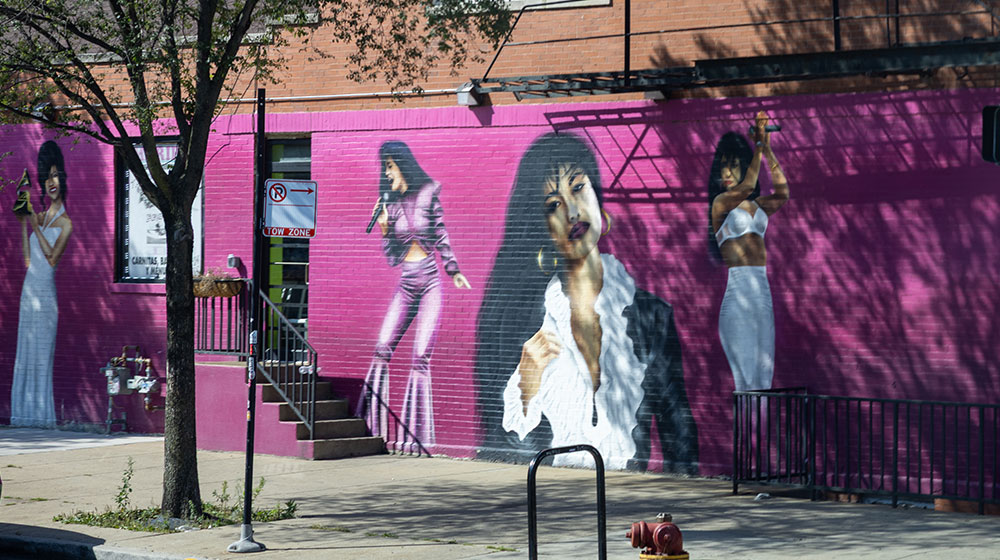
Panelists highlighted the family-owned businesses that have been the heart and soul of this neighborhood for decades. They play a vital role in the local economy and culture, passing down traditions, creating jobs, and shaping one of Chicago’s most vibrant neighborhoods.
The conversation underscored the importance of showing up and supporting local business owners as they navigate social and economic change and hardships, reminding us that the city’s strength lies in its communities.
Neighborhood Economic Development
How to Bring Impact Through Alliance in This Moment
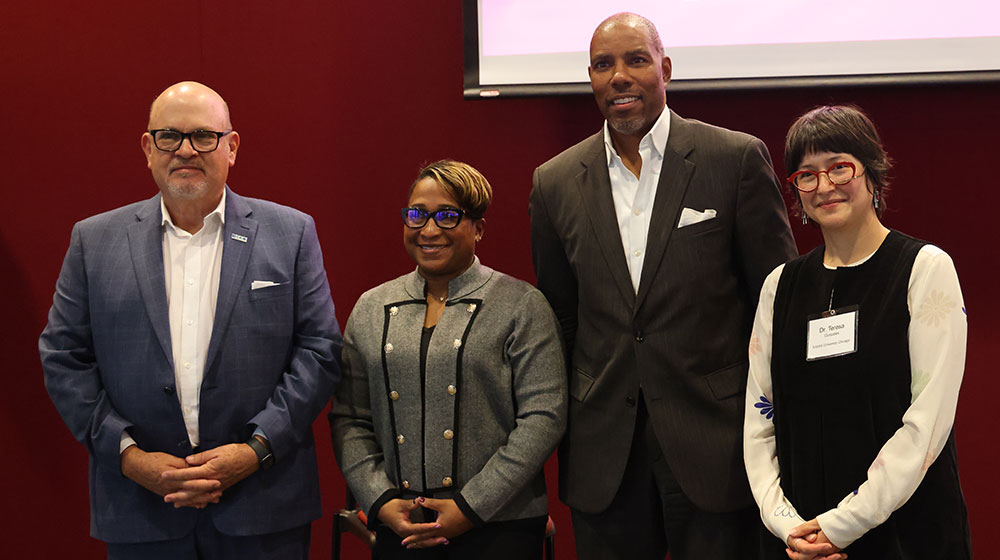
Left to Right: Jaime di Paulo, Dr. Kristen Broady, Steven Shaw, and Dr. Teresa Gonzales
The culminating event brought together voices from across the series at Loyola’s Schreiber Center for a conversation on how to translate neighborhood insights into hands-on and systemic change, featuring: Dr. Kristen Broady, Senior Economist, Economic Advisor, and Director of the Economic Mobility Project, Federal Reserve Bank of Chicago; Jaime di Paulo, President & CEO, Illinois Hispanic Chamber of Commerce; Steven Shaw, Community Engagement Director – State Government Affairs, Verizon; and Dr. Teresa Gonzales (moderator), Assistant Professor of Sociology, Loyola University Chicago.
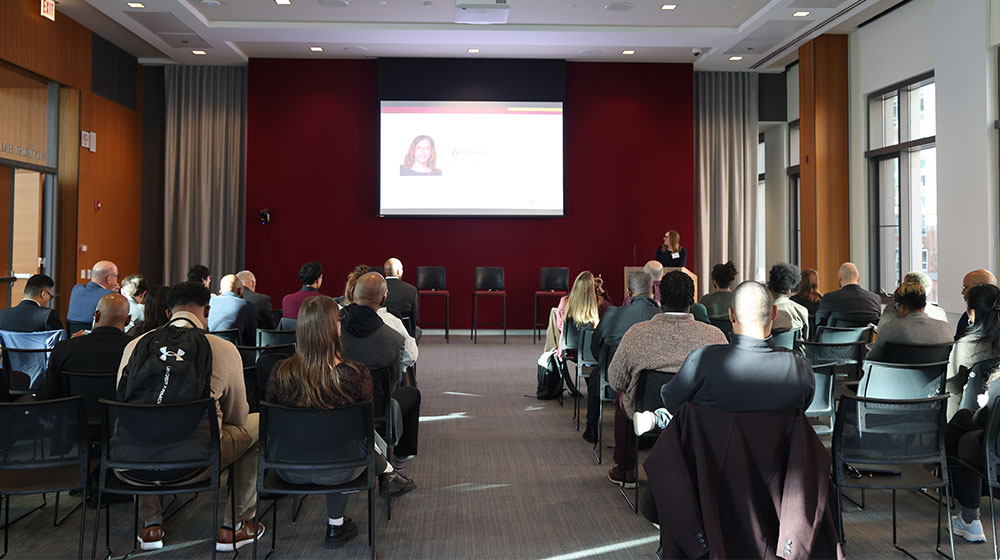
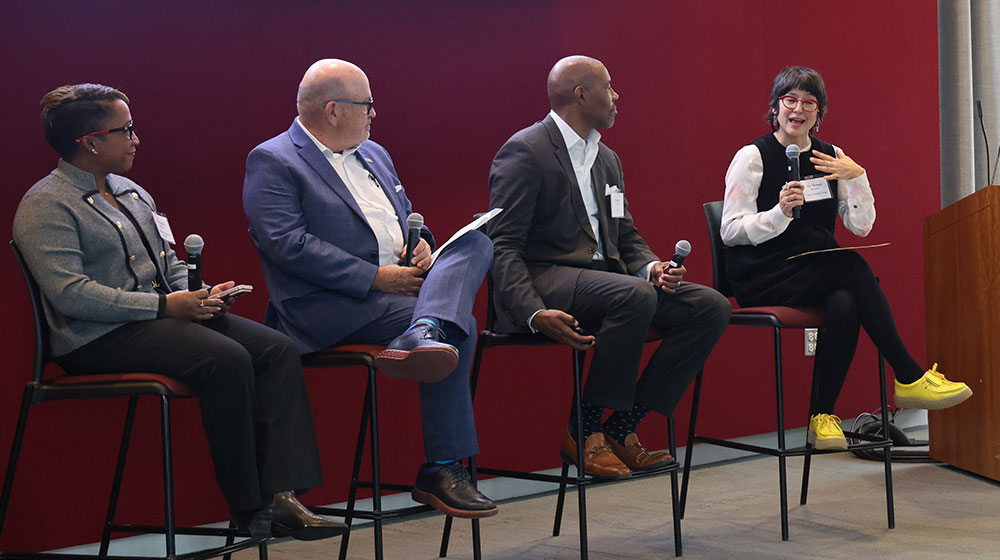
This conversation identified shared priorities across Chicago neighborhoods: supporting small businesses, expanding access to capital, investing in infrastructure, positive storytelling, and fostering local collaboration.
As Steven Shaw quoted, “It’s not about quotas – it's about doing business.” These panelists argued that true impact requires intentional partnerships that move beyond symbolic gestures, and that channel real resources and support to local and minority-owned businesses.
Sustaining the Alliance
Across all three neighborhoods, one truth was clear: real impact comes through sustained alliance. Economic vibrancy grows when corporate partners, universities, and communities invest in both people and places.
So, how can you help?
- Support local small businesses and encourage others to do the same.
- Share positive stories about Chicago's underserved communities.
- Support policies and initiatives that prioritize small-business investment.
- Elect leaders who actively support the community.
- Plan your own visit to these neighborhoods to experience their vibrancy firsthand.
Thank you to everyone who made this series possible. Together, we can ensure that every neighborhood has the opportunity to thrive.
Resources for small business owners
This year, Loyola University Chicago’s Baumhart Center, the Institute for Racial Justice, Loyola University Chicago, and the Chicagoland Chamber of Commerce worked together to organize the Impact Through Alliance Series—a citywide exploration of how business, policy, and community leaders can come together to build stronger, more inclusive economies.
Through immersive neighborhood tours in Englewood, Rogers Park, and Little Village, led by Chicago historian and storyteller Dilla, participants saw firsthand how history, entrepreneurship, and collaboration transform local economies. Each visit concluded with a panel discussion featuring local business owners, community leaders, and researchers, surfacing both the pressing challenges and the powerful possibilities of neighborhood-based economic development.
A central theme emerged from this discussion: the power of storytelling. Historically, media narratives have portrayed Englewood through a negative lens, obscuring the creativity and resilience of its residents. Panelists urged attendees to counter those misconceptions by sharing stories of progress and pride. From thriving local shops to youth-driven programs like Crushers Club, there are a lot more positive stories to be celebrated.
This conversation also highlighted the urgent need for infrastructure investment and consistent political support from city government officials post-election.
Panelists discussed the realities of small business ownership, from the need for mental health support and relief from burnout to the importance of equitable pricing and inclusive hiring. RPBA shared its hands-on approach to meeting those needs: licensing support, bilingual entrepreneurial training through Grow/Progresando, and consultant-matching to help underserved businesses.
A recurring insight was the impact of anchor institutions like Loyola University Chicago, which strengthens community ties through shared retail spaces, services, and initiatives such as Lake Shore Community Partners.
Panelists highlighted the family-owned businesses that have been the heart and soul of this neighborhood for decades. They play a vital role in the local economy and culture, passing down traditions, creating jobs, and shaping one of Chicago’s most vibrant neighborhoods.
The conversation underscored the importance of showing up and supporting local business owners as they navigate social and economic change and hardships, reminding us that the city’s strength lies in its communities.
This conversation identified shared priorities across Chicago neighborhoods: supporting small businesses, expanding access to capital, investing in infrastructure, positive storytelling, and fostering local collaboration.
As Steven Shaw quoted, “It’s not about quotas – it's about doing business.” These panelists argued that true impact requires intentional partnerships that move beyond symbolic gestures, and that channel real resources and support to local and minority-owned businesses.
Sustaining the Alliance
Across all three neighborhoods, one truth was clear: real impact comes through sustained alliance. Economic vibrancy grows when corporate partners, universities, and communities invest in both people and places.
So, how can you help?
- Support local small businesses and encourage others to do the same.
- Share positive stories about Chicago's underserved communities.
- Support policies and initiatives that prioritize small-business investment.
- Elect leaders who actively support the community.
- Plan your own visit to these neighborhoods to experience their vibrancy firsthand.
Thank you to everyone who made this series possible. Together, we can ensure that every neighborhood has the opportunity to thrive.