
Community & Faith
Community & Faith
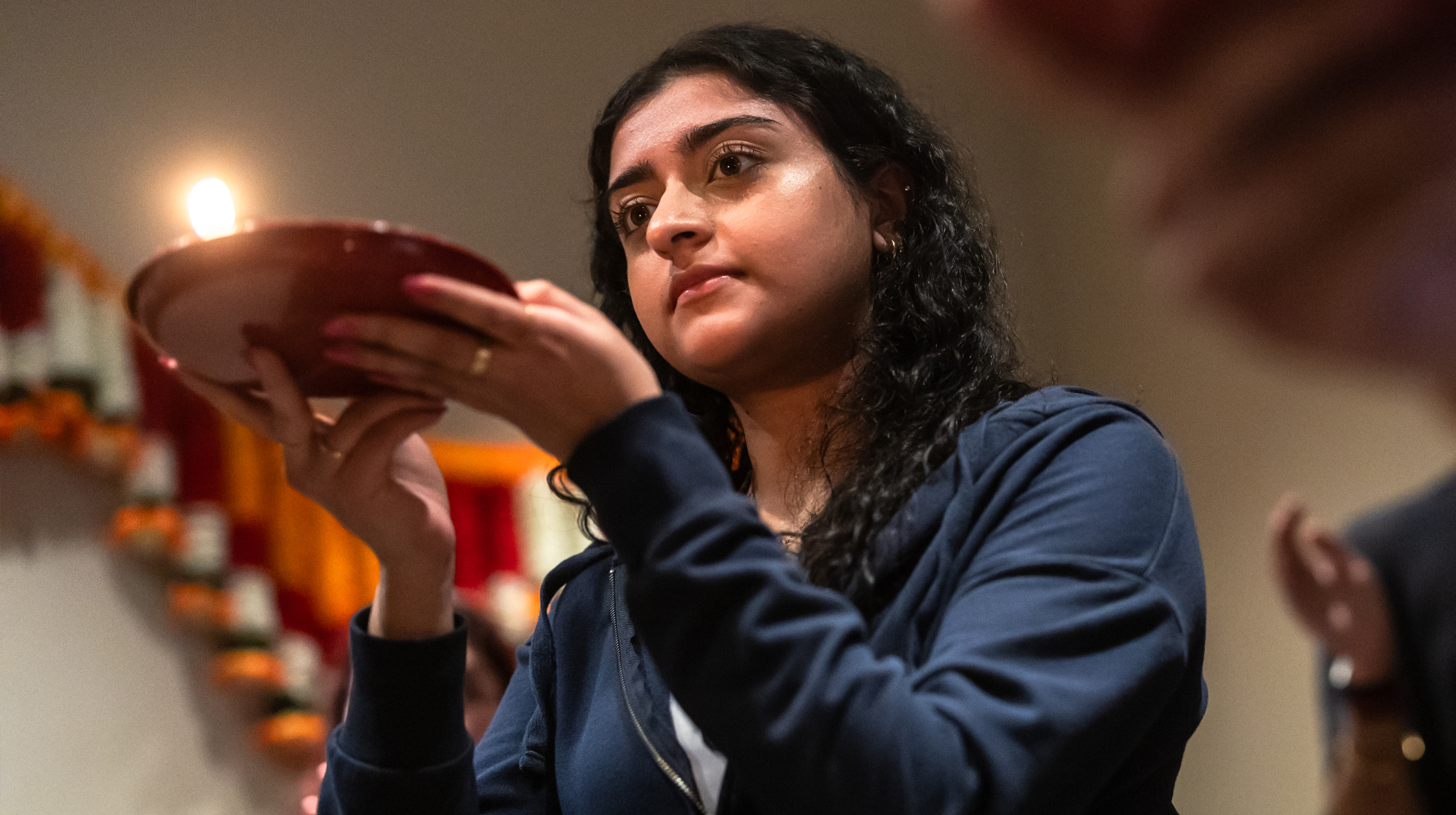
Rooted in the Jesuit, Catholic tradition and open to people of all beliefs, Loyola University Chicago cultivates a community where faith informs how we think, how we serve, and how we contribute to a global society.
Loyola’s Jesuit, Catholic Identity
Founded in 1870 by the Society of Jesus, Loyola is part of a global network of Jesuit universities known for academic rigor, ethical reflection, and a commitment to the common good. That foundation shapes our mission, classrooms, research priorities, and community life.
Loyola’s Jesuit Catholic identity guides the University’s purpose while affirming that belonging extends beyond any single tradition. Students of every faith background, and those who do not identify with a faith, are welcomed and respected as full participants in the academic, spiritual, and people-oriented opportunities we offer.
What Does Jesuit Education Mean?
Jesuit education centers on the development of the whole person—intellectually, spiritually, socially, and ethically. It is defined by principles that determine how you learn and lead:
- Care for the whole person (cura personalis): Your education attends not only to academic achievement but also to your well-being, growth, and sense of purpose.
- Commitment to excellence in service to others (magis): A commitment to excellence in service of others. You are challenged to pursue depth, integrity, and responsibility in your work.
- Faith that leads to action: Thoughtful consideration of your experiences that transform into deliberate, global engagement.
- Dialogue across difference: Honest conversations shaped by respect, curiosity, and intellectual humility.
- Commitment to social justice: A focus on human dignity and the conditions that allow communities to flourish.
In practice, Jesuit education at Loyola means classrooms where critical thinking and moral reasoning are connected. It means research shaped by human need. It means graduates are prepared to succeed professionally while acting with conviction and care.
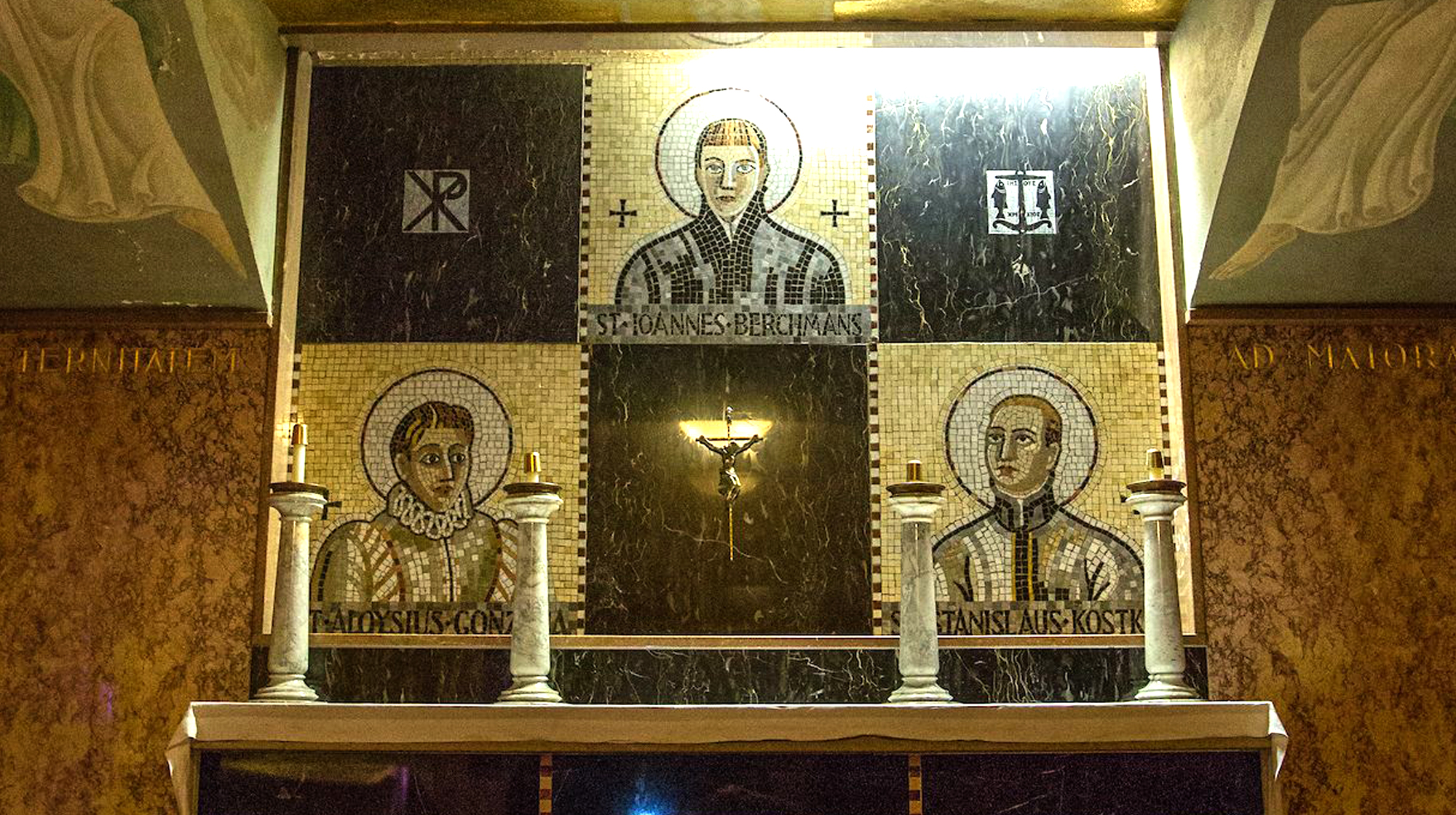
Under Madonna della Strada Chapel, a crypt beckons
Beneath Loyola's iconic lakeside chapel lies a hidden crypt where one Jesuit priest has welcomed curious students for nearly 50 years.
Learn more about the chapel's hidden crypt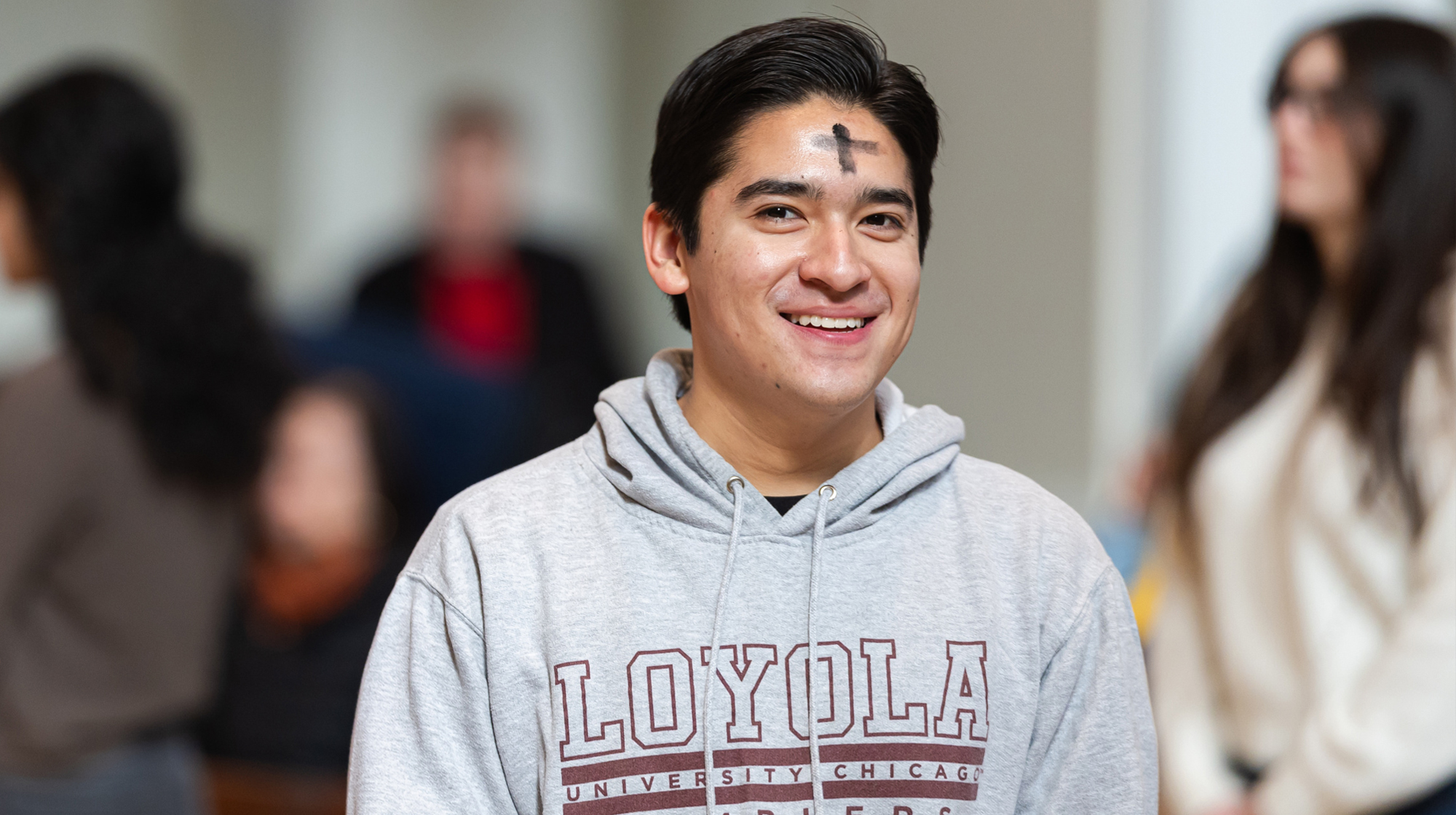
Loyola students are approaching Lenten season with intention and reflection
For Loyola students, Lent isn't just about giving something up—it's a season of growth, community, and asking harder questions about who they want to become.
Read more about the Lenten season at Loyola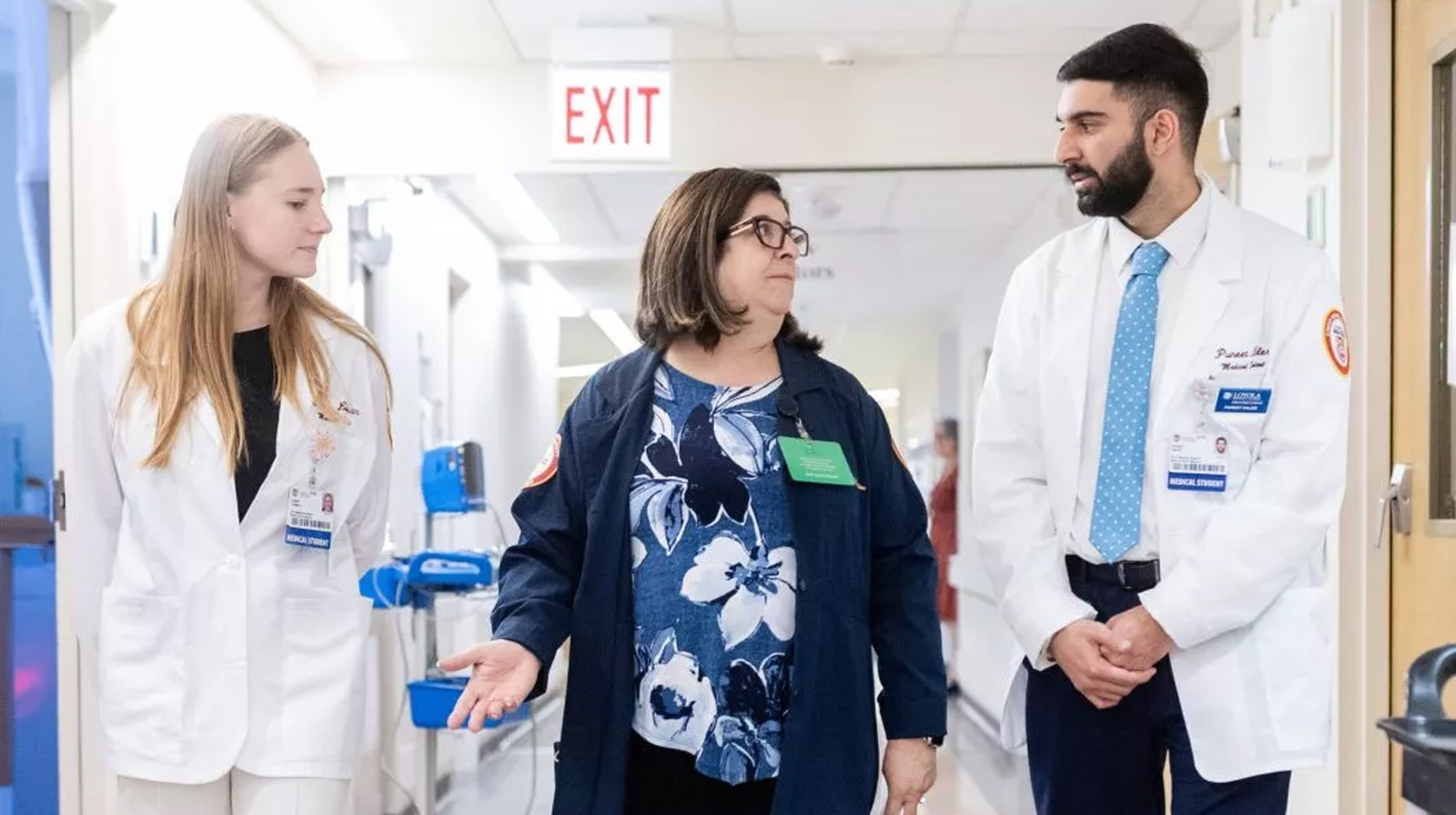
Loyola’s Chaplain Mentor Program gets to the heart of patient-centered care
The only program of its kind in the country pairs Loyola medical students with hospital chaplains to learn what it truly means to care for a patient.
Learn more about Loyola’s Chaplain Mentor Program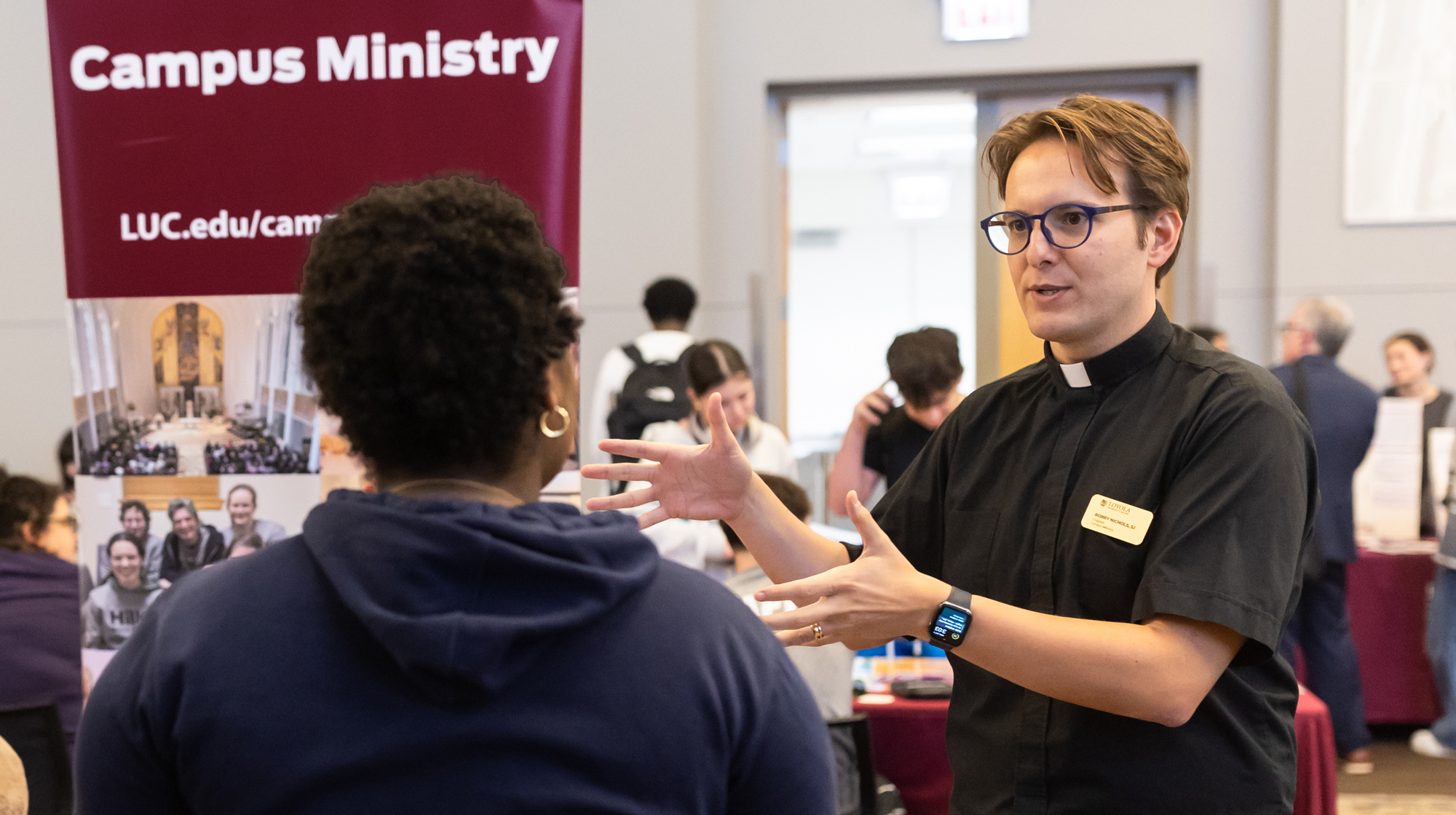
Campus Ministry at Loyola
Faith and spirituality are active parts of Loyola’s community, and Campus Ministry is one of the ways it’s lived out each day. Through service initiatives, spiritual guidance, and community engagement, you can find connection during both ordinary and difficult moments. Campus Ministry welcomes students from all religious traditions and supports interfaith engagement through retreat programs, liturgy, spiritual direction, service immersion trips, and more than 50 faith-based programs offered each year.

A Community for All Faiths
While Loyola is guided by the Catholic and Jesuit traditions, we’re home to students who come from a wide range of religious and cultural backgrounds. They identify as Muslim, Jewish, Hindu, Protestant, Orthodox, Buddhist, Sikh, agnostic, spiritual-but-not-religious, and more.
Interfaith dialogue is not separate from academic life—it’s part of how you learn. Through structured conversations, shared service experiences, and a variety of student organizations, you encounter perspectives different from your own and deepen your understanding of your place in a diverse society.
You do not need to be Catholic to attend Loyola. What connects you to the community here is a shared commitment to learning, respect, taking action, and global responsibility.

Living Our Mission Through Service
Here, faith is expressed through community service and action. You can contribute to research that strengthens public health and environmental resilience, support legal clinics working toward access and equity, and collaborate with schools, health care systems, and nonprofit organizations across Chicago. Guided by our Jesuit mission, you are challenged to meet real-world needs—locally and globally.

Join a Community Guided by Faith and Service
At Loyola University Chicago, we invite you to grow intellectually, reflect deeply, and act with purpose within a diverse and faith-oriented community. Answer the call by requesting information, visiting, or applying.
Request Info Visit Apply Now
Loyola’s Jesuit, Catholic Identity
Founded in 1870 by the Society of Jesus, Loyola is part of a global network of Jesuit universities known for academic rigor, ethical reflection, and a commitment to the common good. That foundation shapes our mission, classrooms, research priorities, and community life.
Loyola’s Jesuit Catholic identity guides the University’s purpose while affirming that belonging extends beyond any single tradition. Students of every faith background, and those who do not identify with a faith, are welcomed and respected as full participants in the academic, spiritual, and people-oriented opportunities we offer.
What Does Jesuit Education Mean?
Jesuit education centers on the development of the whole person—intellectually, spiritually, socially, and ethically. It is defined by principles that determine how you learn and lead:
- Care for the whole person (cura personalis): Your education attends not only to academic achievement but also to your well-being, growth, and sense of purpose.
- Commitment to excellence in service to others (magis): A commitment to excellence in service of others. You are challenged to pursue depth, integrity, and responsibility in your work.
- Faith that leads to action: Thoughtful consideration of your experiences that transform into deliberate, global engagement.
- Dialogue across difference: Honest conversations shaped by respect, curiosity, and intellectual humility.
- Commitment to social justice: A focus on human dignity and the conditions that allow communities to flourish.
In practice, Jesuit education at Loyola means classrooms where critical thinking and moral reasoning are connected. It means research shaped by human need. It means graduates are prepared to succeed professionally while acting with conviction and care.
Faith in Their Words
Discover how faith shapes education and the broader Loyola experience for each student.
A Community for All Faiths
While Loyola is guided by the Catholic and Jesuit traditions, we’re home to students who come from a wide range of religious and cultural backgrounds. They identify as Muslim, Jewish, Hindu, Protestant, Orthodox, Buddhist, Sikh, agnostic, spiritual-but-not-religious, and more.
Interfaith dialogue is not separate from academic life—it’s part of how you learn. Through structured conversations, shared service experiences, and a variety of student organizations, you encounter perspectives different from your own and deepen your understanding of your place in a diverse society.
You do not need to be Catholic to attend Loyola. What connects you to the community here is a shared commitment to learning, respect, taking action, and global responsibility.
Join a Community Guided by Faith and Service
At Loyola University Chicago, we invite you to grow intellectually, reflect deeply, and act with purpose within a diverse and faith-oriented community. Answer the call by requesting information, visiting, or applying.
Request Info Visit Apply Now