100 Years of the Graduate School
100 Years of The Graduate School
In 2025 we celebrate a century of academic excellence, service, and the generations of scholars, students, and alumni who have shaped the legacy of the Graduate School.
Researched and Written by Marin Burke and Benjamin Johnson
Preface from Dean Emily Barman
As the Graduate School at Loyola marks its centennial year, we pause to reflect on a remarkable journey of academic excellence, innovation, and service. Founded in 1925, the Graduate School was born from the Jesuit vision of higher education that expands knowledge in the service of humanity through learning, justice, and faith. From modest beginnings with a handful of advanced degree offerings, the Graduate School has grown into a thriving academic community that nurtures scholars, researchers, and professionals across a wide array of disciplines.
This history of the Graduate School at 100 years, researched and written by Marin Burke (Public History MA, 2025) and Benjamin Johnson (Professor of History and Graduate Program Director), shows how the Graduate School has maintained true to its enduring values while continually evolving to meet the intellectual, social, and spiritual needs of its students, the university, Jesuit community, and the broader world. It has weathered global crises, expanded during times of social transformation, and adapted to advances in science, technology, and pedagogy. Through it all, the Graduate School has remained committed to cultivating a diverse community of graduate students as “men and women for others.” The narratives captured in these pages reveal not only institutional milestones and academic achievements, but also the stories of those—students, faculty, and administrators —whose lives and labors have shaped the School’s legacy.
This centennial report is both a tribute and a testament. It honors those who laid the foundations of the Graduate School, those who expanded and enriched our programs, and those who carry forward our mission today. As we look to the future, we do so with gratitude for the past and with renewed dedication to fostering graduate education that is both rigorous and humane. May this history serve as a source of reflection, inspiration, and guidance as we move forward.
Introduction
“If Loyola wishes to be a first-rate university,” wrote Graduate School Dean Richard Matre in 1967, “it must have at least a good graduate school.” Matre’s argument, penned in a report to the university’s president, was a call to action. In 1967, just over forty years after the Graduate School’s founding, graduate education was central to Loyola, its mission, and its academic standing. Loyola’s graduate programs attracted students from across the country and around the world, secured grant funding that bolstered the university’s growth, trained academics and professionals who used their graduate education to expand the frontiers of knowledge, and helped Loyola attract faculty members known for excellence in their fields. But Matre was not content with the status quo. He urged the University President, and those who succeeded him, to continue to increase the size and number of graduate programs, the level of financial support awarded to graduate students, and to strengthen the connection between graduate education and faculty research. Indeed, Matre recognized a critical theme in the history of the Graduate School: when the Graduate School succeeds, so too does Loyola University of Chicago.
By cultivating its graduate programs to the point of excellence on the national stage, Matre asserted, Loyola University could “find an important place in American higher education.” As the Graduate School prepares to celebrate its hundredth anniversary, Matre’s vision has been fulfilled. As of 2025, the Graduate School offers forty-six degree programs, twelve of which have been ranked by the U.S. News and World Report as among the best in the nation. The Graduate School provides a comprehensive array of personal, academic, and professional services and support for graduate students’ success at Loyola and beyond. Over 12,000 students have received advanced degrees from the Graduate School, including MacArthur Fellows, Fulbright Scholars, and Presidential Citizens Medal recipients. These alumni, alongside graduate faculty and administrators, have made their mark on the academic, business, legal, political, and scientific communities, drawing from the solid foundation of their graduate education at Loyola.
Transforming Matre’s vision for the Graduate School into a reality has been a century in the making. Founded in the 1925-1926 academic year, the Graduate School first emerged as a modest, service-oriented program dedicated to uplifting the local Catholic community through higher education. Like any institution, the Graduate School has survived various boom-and-bust cycles, often reflecting the broader history of higher education and the fortunes of the United States itself. But throughout its history, the Graduate School has always aspired to improve, continuously striving to nurture generations of alumni prepared to tackle the most pressing social and intellectual challenges facing the city of Chicago, the country, and the world. What follows is that story.
The Founding Years (1920s-1930s)
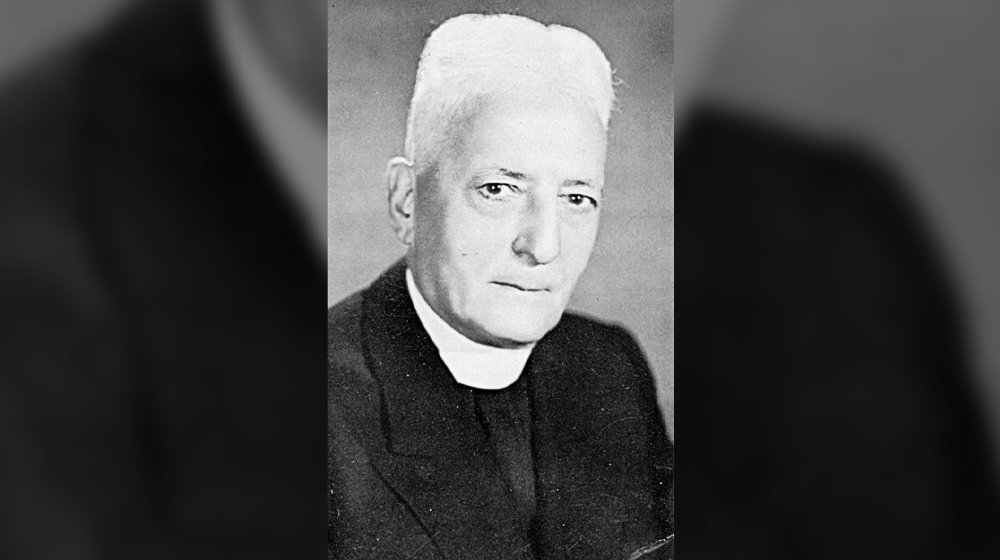
The Graduate School of Loyola University Chicago opened its doors in September of 1926 after a years’ worth of planning by President William Agnew, S.J., and a ten-member Graduate Council. The Graduate Council consolidated all existing graduate programs under a new autonomous school during that academic year, heeding growing demands from Chicago’s Catholic community for more opportunities to earn an advanced education. Graduate work had been done at Loyola on a limited scale since the 1910s, including in Philosophy, History, Sociology, and Chemistry, but was not conducted under the broader auspices of a graduate school until Agnew’s intervention. Upon its opening, the Graduate School offered a Ph.D. in Education and masters’ degrees in Biology, Education, Psychology, and Sociology. Within the first ten years of its founding, the Graduate School had proven itself to be an invaluable addition to Loyola’s growing academic community, adding four new PhD programs and eight new masters’ programs after the size of its graduating classes ballooned by 210%.
The Graduate School was created at Loyola during an era of university expansion. Loyola had opened a Law School (1908), a Medical School (1909), a School of Social Work (1914), and a Dentistry School (1924) in quick succession to meet demand among local Catholics for more educational opportunities past the undergraduate level. In the early twentieth century, receiving a college education had a transformative effect on the lives of the working-class, first- and second-generation American Catholics that Loyola University predominantly served. Professional and graduate degrees were a gateway to “wealth, prestige, and status” for many Catholic immigrants and their children, but xenophobia and anti-Catholic discrimination often barred such students from furthering their education. In forming the Graduate School, Loyola ensured that Catholic Chicagoans could achieve their educational and career goals.
Accordingly, the early years of the Graduate School were characterized by service to the local community: Loyola commonly trained teachers, dentists, and doctors who would use their graduate education to teach or practice in the Chicago area. The Graduate School particularly appealed to Chicagoland “public and parochial school teachers,” including women religious, who sought degrees in Education or in the subjects they aimed to teach in local schools. Provisions were thus put in place to ensure that students who worked as teachers during the school year could attend the Graduate School only during the summers and still meet residency requirements to graduate.
In many ways, the timing of the Graduate School’s founding reflects developments in Jesuit higher education more than national trends. The history of graduate education in the United States as we know it began in the 1870s, when many American universities sought to emulate the German model of higher education. American colleges, which had previously devoted nearly all their energy to teaching undergraduates, wanted to balance “research, graduate education, advanced knowledge, and the college” as German universities did. As a result, by the end of the nineteenth century increasing numbers of American universities began forming graduate schools and encouraging faculty research, publication, and academic specialization.
Many Jesuit schools, however, remained skeptical of the new research university archetype. To the Jesuits, the new focus on research and specialization ran counter to Ignatian intellectual traditions. Professors at Jesuit schools were valued for their wide-ranging, cross-disciplinary knowledge rather than their depth of study or original contributions to a single field. But rather than rebuking the German model entirely, Jesuit universities found ways to incorporate the values of the Society of Jesus within their new graduate programs as they moved toward curricular reform. At Loyola, the departments and courses offered, as well as the Graduate School’s academic policies, reflected the university’s Jesuit identity. Based on the Jesuits’ desire for students to receive a broad and varied education, with an emphasis on philosophy, ethics, English, classical languages, and the physical sciences, graduate students were encouraged to pursue cognate or “subordinate sequences” whose expressed purpose was to “broaden and extend the student’s knowledge of his subject of specialization.” Nearly all departments offered Philosophy as a subordinate sequence, a testament to the Jesuits’ desire to train students in ethics so that graduates might use their education to better the world. Indeed, Jesuit faculty members like Father Roubik, S.J., believed the Graduate School had the potential to “[develop] leaders of thought and people of initiative and leadership in various walks of life,” who would serve as intellectual mentors and models of ethical leadership for future generations.
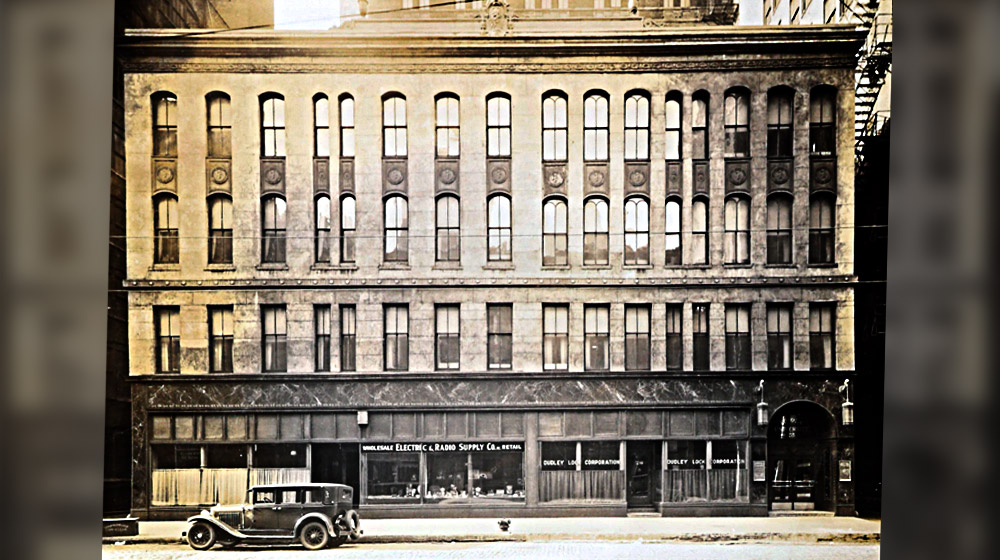
The founding class of Loyola’s Jesuit-led Graduate School included a large percentage of women, a rarity for the era. The issue of coeducation at Loyola was a complicated one: women were banned from registering as full-time students on the Lake Shore Campus but could study for advanced degrees at the Graduate School in downtown Chicago and hundreds of women earned their degrees from the Graduate School during the founding years.
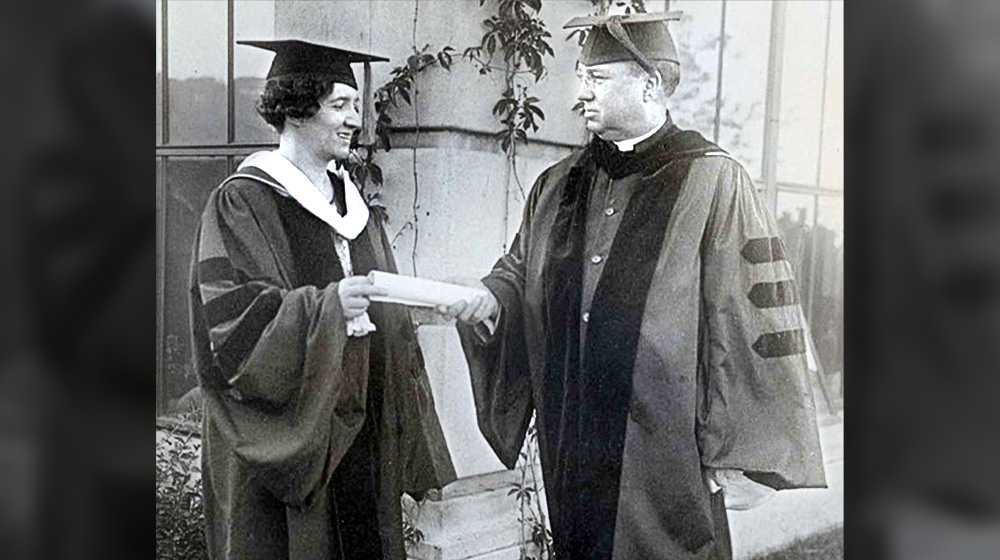
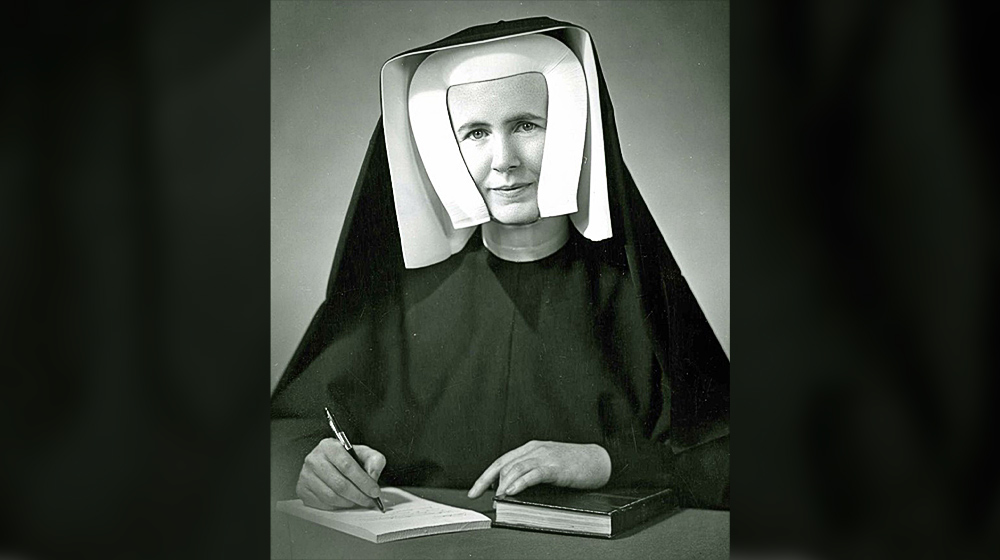
There was a dramatic divide, however, between the degrees that female and male graduate students earned. The vast majority of the candidates for the Master of Arts degree at Loyola were women, and most earned degrees in Education, History, and English. However, men received 95% of the Master of Laws, 100% of the Master of Dental Surgery, and 100% of the Master of Science in Medicine degrees in the 1927-1928 academic year. The first woman to earn a PhD from Loyola, Sister Arnoldina Mertens (Ph.D. ’30), was only the third person to earn a doctorate from the Graduate School overall.
While early graduate students varied in terms of their gender, most were homogenous when it came to their city of origin, religious background, and race. Many students were local, having received their undergraduate degrees from the University of Chicago, De Paul University, Northwestern University, Mundelein College, or Loyola itself. Students were also drawn to Loyola from other Catholic colleges and universities, including Jesuit schools like Creighton, Marquette, John Carroll, and Fordham, among others. However, some programs drew students from outside the Midwest, including the first graduate students of color. The Sociology and Social Work programs, initially under the auspices of the Graduate School, attracted several students who had attended southern Historically Black Colleges and Universities (HBCUs). Undergraduates at HBCUs found almost “nonexistent” opportunities for graduate and professional education in the Jim Crow South. As a result, an estimated 1,500 Black students, including many graduate students, attended predominantly white institutions (PWIs) outside the South. Ethelyn Beasley Ross (Sociology MA, 1933), for example, was the first Black graduate student at Loyola, entering the Sociology department just three years after the Graduate School was founded.
Life During Wartime (1940s)
In its founding decades, the Graduate School grew alongside Loyola University itself, offering new programs, enrolling hundreds of students, and expanding its faculty. It also introduced assistantships, supporting graduate students financially and allowing the university to benefit from their assistance in teaching, research, and grading. However, Loyola’s era of expansion came to a halt in late December 1941, after the United States entered the Second World War. Within a year, for example, enrollment at the Law School declined so dramatically that no new students were accepted. By 1943, “an estimated 80 percent of [Loyola’s] student body was serving in the war.” The Graduate School itself suffered a massive decline in enrollment: in 1941, 102 students graduated; in 1945, only 26 students did.
The Second World War sparked not only an enrollment crisis at the Graduate School, but a faculty shortage as well. For some departments, like Chemistry, such shortages proved fatal to graduate education. Writing to prospective Chemistry applicant Virginia Zantzen, Dean Francis J. Gerst, S.J., wrote that “the war has practically depleted our Chemistry faculty,” making it “impossible to schedule courses in Chemistry for graduate students” for the Fall 1942 semester and the Chemistry Department did not offer graduate courses again until the 1950s. Other graduate departments, like Philosophy and Mathematics, survived by dramatically reducing the number of courses offered.
The sudden drop in male students and faculty also raised new questions about recruiting women to Loyola. Unlike the undergraduate College of Arts and Sciences, which did not permit women to matriculate full-time or attend classes on the Lake Shore Campus, the Graduate School sought to compensate for the decline of male students by actively recruiting women. Some departments, like Mathematics, asked Graduate School alumnae to return to Loyola as professors to fill positions left by male faculty on military leave. Women taught courses at the Water Tower Campus (then known as the Downtown College), where coeducation at the graduate and professional schools was accepted.
Despite faculty and student shortages, the Graduate School remained committed to educating Chicago’s Catholic community throughout the 1940s. The Graduate School offered clergymen and women religious discounted tuition and provided ordained priests with preferential treatment in admissions. Certain departments, like Philosophy and Psychology, gave scholarships for Chicago-area Catholic school graduates and women religious to pursue master’s degrees during the war. These policies represented a continuation of the commitment to its Jesuit identity and the community service ethos that defined the Graduate School’s founding years.
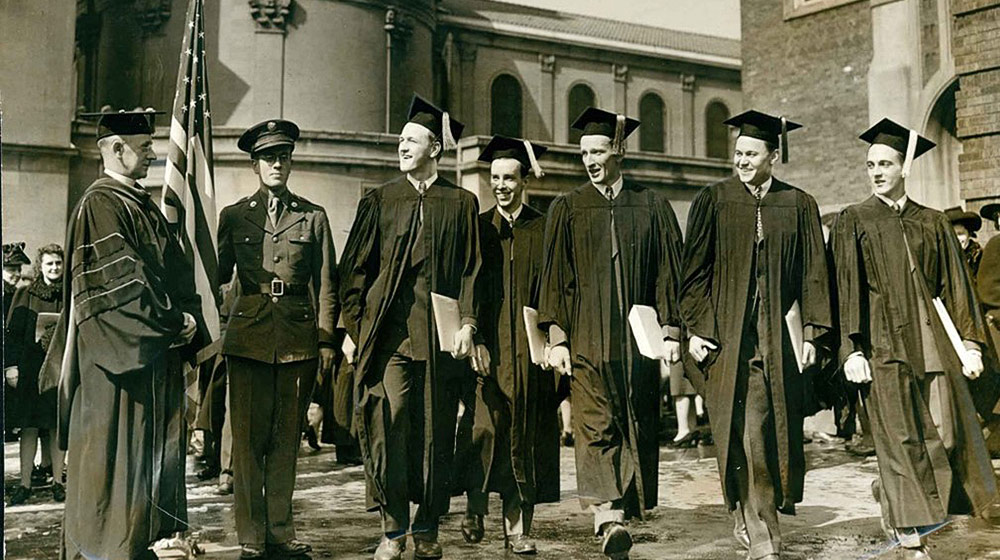
When the war came to an end in 1945, the Graduate School’s prospects started to improve. Returning soldiers who already received an undergraduate education made use of the 1944 Serviceman’s Readjustment Act to attend graduate school, increasing university enrollments nationwide. In 1946, 37% more students graduated from Loyola’s Graduate School than the previous year, and by 1949 the number of graduates approached pre-war levels. As enrollments recovered, the Graduate School began offering new programs, including five new masters’ degrees in Greek, Latin, Pharmacology, Biological Chemistry, Psychology, and Spanish. Indeed, the Graduate School made a near-complete recovery from the crisis of the war years as the decade came to a close.
The Cold War on Campus (1950s-1960s)
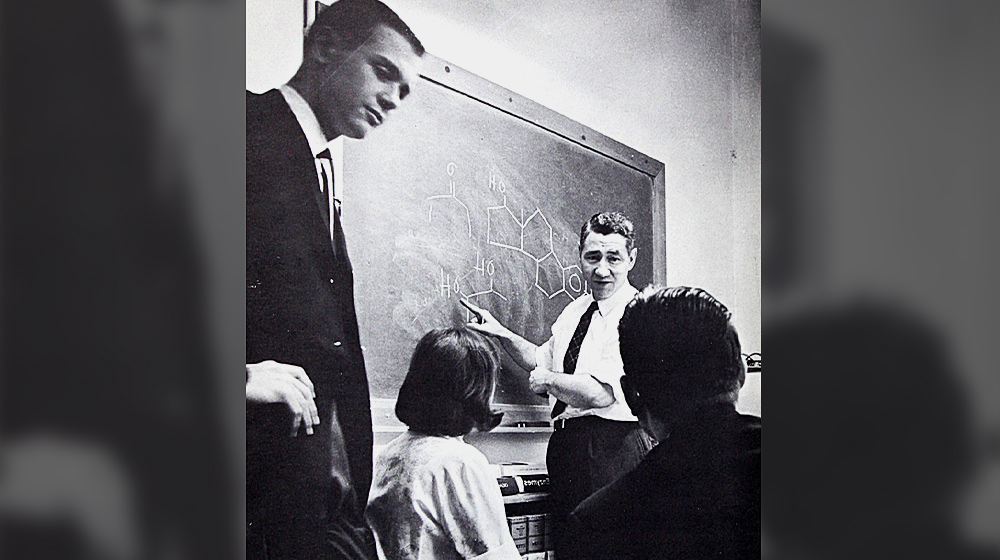
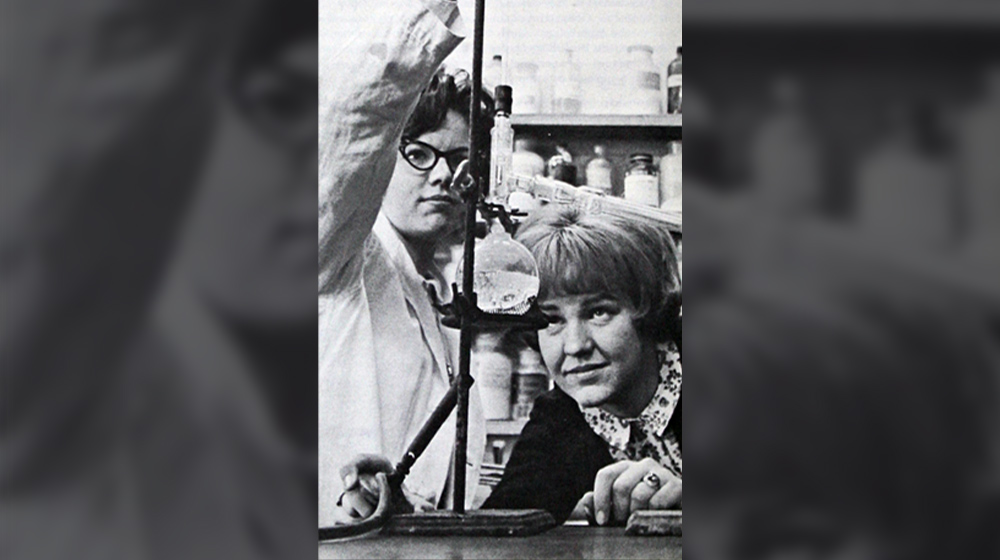
In the 1950s and 1960s, the Cold War – the long struggle for worldwide power between the United States and the Soviet Union – re-shaped the landscape of American higher education and academic research with an impact on Loyola’s Graduate School. Following the 1958 Soviet launch of Sputnik 1, the first human-made satellite to orbit Earth, the United States government and universities threw their energies behind funding research and supporting graduate education. At Loyola, graduate professors like Dr. Raymond Mariella argued that increased investment in the sciences could play a critical role in winning the Cold War. Writing for the Loyola Alumnus, Mariella emphasized that the Soviet Union was rapidly catching up to the United States’ science and engineering capabilities, creating “a desperate need for more facilities, more money, and more of the cream of scientific talent” capable of both basic and applied scientific research. Indeed, much of the growth in the Graduate School occurred in the sciences, with five new PhDs, two new master’s programs in Microbiology and Biology, and a revived Chemistry program added. However, though the sciences were on the rise, Loyola’s Graduate School continued to attract far more students interested in the humanities and social sciences than STEM: more masters’ students studied Classical Languages alone (124) than Anatomy (23), Biochemistry (30), Microbiology (25), Pharmacology (11), and Physiology (14) combined.
The post-World War II era saw the expansion of government funding to support national interests in the areas of physical sciences, engineering, psychology, medicine, and world languages Private foundations also grew their support of research in higher education and invested in the social sciences, including area studies, international relations, and urban studies.
As was occurring more broadly in graduate education nation-wide, Loyola’s Graduate School reaped the rewards of these developments. Several graduate departments received substantial grant funds: the Biochemistry and Physiology departments got a $43,000 grant ($508,000 in 2025 dollars) from the United States Public Health Service to build a new cancer research lab, while the Psychology department was one of three graduate programs to earn a $151,470 National Institute of Mental Health grant ($1,750,000 in 2025) to develop a counseling curriculum for future religious professionals.
Graduate faculty, too, received increased federal and foundation monies for their research. In 1955, Biochemistry professor Dr. Norten Melchior was awarded a $12,000 grant from the National Science Foundation to conduct research on light absorption, and Psychology professor Reverend Theodore Purcell, S.J. earned $20,000 from the Rockefeller Foundation, among others, to study industrial psychology in the same year.
Graduate students also benefitted from greater federal and internal funding, particularly in the form of fellowships. Loyolans received thousands of dollars in support from National Science Foundation Traineeships and NDEA Title IV Fellowships, as well as university awards like Arthur J. Schmitt Fellowships, Graduate Assistantships, University Fellowships, Dissertation Fellowships, and more. Most awards went to students enrolled in the graduate Psychology program, followed by Classical Studies, Philosophy, and English. The Graduate School itself also received additional funding from the university budget, helping to increase the number of graduate assistantships by raising both the quantity of fellowships available and the monetary value of stipends. Increased assistantship stipends helped Loyola compete for high-quality graduate students during an era of record college attendance.
The Graduate School indeed saw a dramatic increase in applications and enrollment during the Cold War years. In the 1950s, postwar economic growth inspired more people to enroll in college, while the 1960s brought a flood of baby boomers to campus. By 1957, Graduate School enrollment had reached the 1,000 student mark, with 685 matriculates in the Education department alone. 32 pupils were international students. Loyola’s international students hailed from all around the world, including Argentina, Austria, Canada, Colombia, Greece, India, Iran, Japan, the Republic of China (Taiwan), Mexico, Nigeria, the Philippines, and Vietnam.
The 1950s and 1960s at Loyola’s Graduate School were defined by two interrelated developments in the history of the United States: The Cold War and the dramatic increase in societal support for higher education. In one sense, the Graduate School more clearly resembled graduate schools elsewhere, including in the greater prominence of the sciences than previous decades. The Graduate School’s student body had also become more religiously diverse than in the past: though 79% of graduate students were Catholic, 7% were Protestant, 4% Jewish, and 9% other. This demographic change, along with the increased ethnic and racial diversity of the student body, made the Graduate School more like other schools of the era. It also reflected the integration of most of the country’s Catholics, once a heavily immigrant population marginalized by mainstream institutions, into the national social fabric. Yet Catholicism remained central to the identity and mission of Loyola.
Surviving Retrenchment (1970s-1990s)
The early 1970s brought mixed fortunes to higher education. On the one hand, new federal laws made colleges and universities more equitable for marginalized communities. On the other, a volatile economy caused a decline in enrollments and prompted American universities to adopt austerity policies. Though the Graduate School fought to better its lot through improved recruitment techniques and new programs, the Graduate School’s future was under threat during the Loyola’s financial crisis of the mid-1990s.
The focus of the Graduate School expanded to include diversity efforts for its student population at this time, particularly for students of color. In 1978, the Supreme Court permitted for the consideration of race in admissions decisions based on a recognition of the value of diversity in higher education.
By the 1974-1975 academic year, the Graduate School had instituted strategies to recruit more students of color. Under the direction of Associate Dean Joseph A. Gagliano, the Graduate School improved its recruiting efforts as a whole, investing more resources than ever before into conducting research on applicants, traveling to other universities to promote Loyola’s graduate programs, increasing the advertising budgets for graduate departments, and publishing lists of fellowships for students of color in financial aid brochures. In the 1980s and 1990s, the Graduate School also sought to recruit students considered to be “nontraditional,” who might be attending graduate school later in life or seeking a new degree for a career change, offering new certificates and degree programs in fast-growing (often STEM) fields to meet their needs.
The Graduate School’s new recruitment strategies were also an attempt to combat the enrollment freefall sparked by the decline in graduate funding and job opportunities during the 1970s. A nationwide economic downturn in that decade brought a sudden stagnation of federal funds available for academic research and graduate fellowships. With fewer opportunities to receive federal and foundation grants, most graduate funding needed to come from universities themselves. Though stipend and fellowship funds at Loyola saw some increases in the mid-1970s, by the 1980s graduate faculty increasingly protested that stipend values were not competitive and that the low quantity available often turned potential applicants away from Loyola.
In the 1970s, Graduate Dean Raymond Mariella and other faculty members argued that the University was not investing enough in research, and that it was doing so at its own peril. Lacking a commitment to research, they asserted, hindered Loyola’s ability to “develop a broad national reputation,” and thus better compete for funding and graduate students.
Protests against a perception of Loyola’s marginalization of the Graduate School came to a head in the 1990s. Graduate School enrollments were beginning to stabilize after a period of decline, while external and internal funding was on the rise. However, these improvements proved temporary. In 1994, the university’s finances took a dramatic dive. In that year, “the value of Loyola’s endowment plunged – along with the stock market – from $462 million to $438 million between January and March 1994” due to a combination of “spending and ... market loss.” As a result of Loyola’s financial crisis, the Graduate School faced significant budget cuts. In 2000, the Graduate School’s budget was slashed by ten percent and was cut again by a quarter in 2001. These budget cuts, exacerbated by other long-standing complaints over funding, Led many faculty and graduate students to view Loyola’s financial decisions as a dire threat to the Graduate School’s existence. As a result, twenty-five Graduate Program Directors wrote to then-President John Piderit, S.J., to strongly condemn the cuts. They wrote, in no uncertain terms:
When the cuts in the assistantship budgets are further combined with cuts in the operating budget that prevent The Graduate School and individual programs from promoting themselves, the budget reductions are especially short sighted and ill advised, unless their ulterior motive is the elimination of graduate education at Loyola.
Despite dire financial difficulties, graduate departments, faculty, and students continued to garner recognition for their contributions to their fields. Faculty and students in the Classical Studies Department received a $10,000 grant ($55,100 in 2025 dollars) for an archeological study in Greece, along with Woodrow Wilson Fellowships and National Endowment of the Humanities Faculty Fellowships. In the Psychology Department, Dr. Richard R. Fay earned a $26,500 National Science Foundation grant ($146,000 in 2025) to study the nervous system. Ultimately, Loyola proved resilient through a particularly difficult period in its history, and new leadership put the Graduate School on a path to recovery in the new millennium.
Renaissance and Revival (2000s-2025)
In the mid-2000s, the Graduate School’s fortunes began to brighten under the leadership of Graduate Dean Samuel Attoh.
During this time, the Graduate School implemented several initiatives to strengthen graduate education. To support student research, the Graduate School provided new Research Incentive Awards for Graduate Students, an Advanced Doctoral Fellowship Program, and a Graduate School Travel Fund. The Graduate School was awarded several external grants for its work, including X y and Z. A surge in grants and fellowships also occurred, with graduate students receiving funding from the National Science Foundation, the National Institutes of Health (NIH), the United States Agency for International Development , the National Institute of Mental Health , the American Heart Association, the Department of Defense, the Andrew Mellon Foundation, the U.S. Department of Education, and the American Cancer Society, among many others. By 2012, external funding for graduate students exceeded $1 million.
In consequence, graduate enrollment increased (master’s enrollment grew by 74% between 2008 and 2012) and even exceeded average enrollment nationally. At the same time, several PhD programs began to receive national recognition: in 2009, the National Research Council ranked Biochemistry, Chemistry, Developmental Psychology, Cell and Molecular Physiology, History, Microbiology and Immunology, Molecular Pharmacology and Therapeutics, and Theology among the top 10 doctoral programs for student support and outcomes. The doctoral departments in Social Work and Nursing appeared in U.S. News and World Report’s top 50 programs, while Clinical Psychology, Sociology, English, and Education ranked within the top 100.
As the academic and financial status of graduate education at Loyola ascended, the Graduate School made an active commitment to promoting social justice, ethics, and service as the twenty-first century embodiments of Loyola’s Jesuit heritage. The Graduate School offered several new fellowships designed to encourage students to pursue research projects rooted in social justice and ethical scholarship. One such program was the Community and Global Stewards Fellowship, which provided funds for students “to engage social issues and challenges generously and to embrace a scholarship of engagement that connects our intellectual resources to the pressing social, civic, and ethical problems in our communities.” Graduate students developed service projects in Chicagoland as well as abroad, including a community art project for African immigrants in Uptown and a collaborative public health initiative to raise awareness about diabetes. Such programs encouraged graduate students to put their Loyola education to work in the world for the betterment of others, reflecting the Jesuits’ historic dedication to service.
The Graduate School paid increased attention to the quality of life of its students inside and outside the classroom, through the creation of new student groups (the Graduate School Advisory Council was founded in 2008) and new workshops and seminar that explored professional and career development, jobs outside of academia, work-life balance, and life as an international student.
The Graduate School’s focus on the quality of student life also included more resources for graduate students of color on campus. In 2008, the Graduate Students of Color Alliance became an official university organization, providing a “social network for graduate students of color” along with additional funding and mentoring opportunities. The Graduate School deepened its relationships with Historically Black Colleges and Universities (HBCUs) and Hispanic-Serving Institutions (HSIs) to recruit and support more graduate students of color than in previous decades. Such efforts were successful, doubling the number of graduate students of color on campus between 2011 and 2012.
After nearly a decade of improvements to the status of graduate education at Loyola, however, the Graduate School faced renewed financial challenges during the 2016-2017 academic year. Uncertainty about whether funds from the State of Illinois’ Monetary Award Program (MAP) would be fulfilled prompted the university to cut $10 million in spending within a single year. For the Graduate School, budget cuts, along with the passing of Dean Attoh, resulted in an unprecedented decision to have the Dean of the College of Arts and Sciences – who already oversaw half of the university’s faculty – also serve as the Dean of the Graduate School on an interim basis. Graduate Program Directors and students worried that the new changes reflected a lack of commitment to graduate education at Loyola.
At the same time, graduate students became concerned that their stipends were insufficient to cover the cost of living in Chicago. and they pursued a new tactic to address their concerns: unionization.
Initially, Loyola attempted to block students’ and instructors’ rights to unionize, “arguing that collective bargaining would interfere with the institution's rights as a Roman Catholic institution to decide on its own policies without government interference.” But the National Labor Relations Board disagreed. With the NLRB’s support, graduate assistants at Loyola voted to unionize under the banner of the Service Employees International Union (SEIU) in 2017 and conducted a brief strike for union recognition. However, the university and the aspiring union never entered into contract negotiations. Certainly, the Graduate School has sought to address many of the students’ concerns, including a substantive increase in the stipend rate for assistantships and fellowships in 2021.
At this time, the Graduate School faced one of the most challenging threats to its existence since its founding. In 2016-2017, the University formed a Task Force on Graduate School Organization Models “charged to study and evaluate alternative models for graduate program organization and to provide recommendations to the President and Provosts.” The Task Force outlined two options for the future of graduate education at Loyola: one, maintain the Graduate School as it was; or two, disband the Graduate School and have all graduate programs be administered by the various schools in which graduate departments were housed. The Task Force concluded that the elimination of the Graduate School presented a danger of reducing “the stature of Loyola University Chicago’s graduate education” nationwide, a fact that would potentially exacerbate any existing financial issues the university faced. In the end, President JoAnn Rooney announced that the Graduate School would remain intact, and a search for a new Dean of the Graduate School began, resulting in the appointment of Dr. Emily Barman to the role.
The most recent decade, too, has required the Graduate School to meet unexpected challenges while strengthening its commitment to graduate student success. In March 2020, the COVID-19 pandemic and the cessation of in-person education for two semesters to protect public health resulted in restrictions on funded graduate admissions over the next two years. Graduate faculty and students pivoted to online teaching, mentorship, and research. But graduate applications and admissions soon rebounded. Over the last several years, the Graduate School has put in place several initiatives to ensure that all graduate students are knowledgeable of and develop skills for success in career paths in and beyond academia. Several new graduate programs were created during this time in informational technology, including master’s degrees in data science and Cybersecurity and a PhD in Computer Science.
Yet many other challenges to higher education in the United States remain and new ones have emerged that pose uncertainties for the Graduate School and Loyola moving forward.