
Community - Alumni - Chris Karamanos Profile
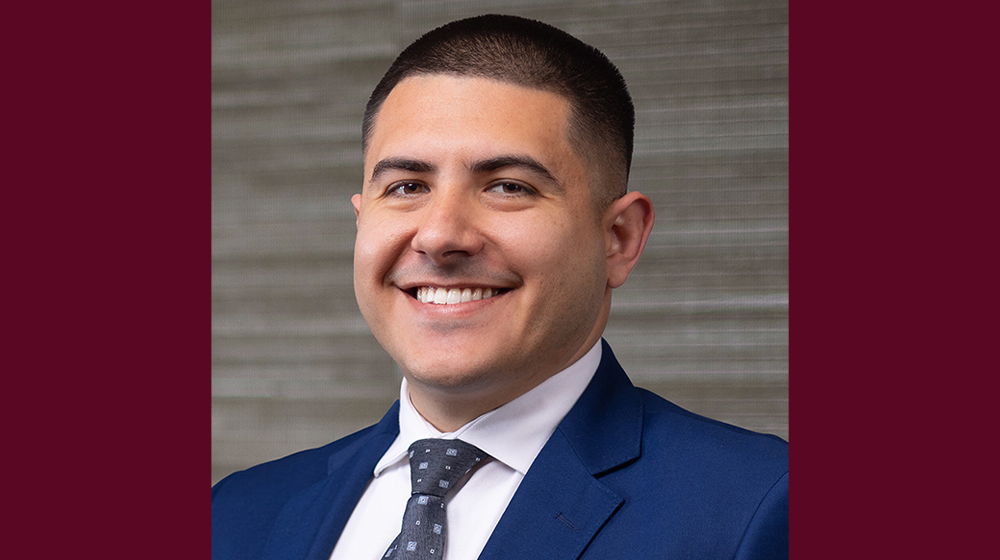
As a busy associate at McGuireWoods LLP, Christopher Karamanos makes time to volunteer as a guardian ad litem and to assist Afghan asylum seekers.
Alumni Profile Christopher Karamanos (JD ’21)
Pro bono champ
Christopher Karamanos (JD ’21) volunteers as a guardian ad litem and to assist Afghan asylum seekers
Christopher Karamanos (JD ’21) believes in the power of pro bono work. As a School of Law student, he participated in the Veterans Practicum, addressing veterans’ legal needs in the family law arena, including divorces, custody, and child support. Now, as a busy associate at McGuireWoods LLP’s Chicago office who focuses on antitrust, complex commercial litigation, and white-collar investigations, Karamanos makes time to volunteer as a guardian ad litem and to assist Afghan asylum seekers.
What drew you to pro bono work?
Pro bono work allows you to provide legal services to those most in need and to further pure goals. You are truly helping people—not just corporations or paying clients—with their problems, and it’s very rewarding. It also allows you to gain more experience outside of a given practice area while further developing transferrable skills like interviewing witnesses, drafting substantive filings, managing cases generally, and speaking frequently in court—especially as a more junior lawyer.
What pro bono work do you do now?
My guardian ad litem work provides the opportunity to help minor children who, through no fault of their own, may be placed in unfortunate circumstances. In my experience, the parties in these cases are typically at odds with each other and frequently use the child as a pawn to get what they want; my role is focused solely on doing what is in the best interest of the child, which is a very pure goal with no pecuniary considerations, and my recommendations can have a tremendous and positive impact on the child’s life.
In my asylum work, I primarily assist female human rights advocates and teachers who have fled Afghanistan following the Taliban takeover of that country. Many of our clients have been threatened with death, imprisoned, or otherwise discriminated against by the Taliban merely for advocating that women and girls should have rights that we consider basic. Many of these women have already faced a level of adversity that most Americans may not experience in several lifetimes, so it is incredibly rewarding to be able to help provide the opportunity for these women to live safely and freely.
“The good you do for individuals in pro bono cases is actually what you remember most over the years, and you always feel good about the contributions you make.”
Why do you continue to do pro bono work?
I believe that we as attorneys should pay it forward to the extent we can. And those who cannot afford or have access to representation are typically the most in need of legal services, which is more reason to assist.
What advice would you give to law students who are looking to do pro bono work?
Do pro bono work and do the type of pro bono work that you are passionate about, even though you may face various pressures to focus on billable work. Speaking for myself, as someone who typically represents corporations in large antitrust class actions, the good you do for individuals in pro bono cases is actually what you remember most over the years, and you always feel good about the contributions you make. (November 2025)
Learn more about the School of Law’s commitment to helping students pursue public interest and pro bono experiences.
Christopher Karamanos (JD ’21) believes in the power of pro bono work. As a School of Law student, he participated in the Veterans Practicum, addressing veterans’ legal needs in the family law arena, including divorces, custody, and child support. Now, as a busy associate at McGuireWoods LLP’s Chicago office who focuses on antitrust, complex commercial litigation, and white-collar investigations, Karamanos makes time to volunteer as a guardian ad litem and to assist Afghan asylum seekers.
What drew you to pro bono work?
Pro bono work allows you to provide legal services to those most in need and to further pure goals. You are truly helping people—not just corporations or paying clients—with their problems, and it’s very rewarding. It also allows you to gain more experience outside of a given practice area while further developing transferrable skills like interviewing witnesses, drafting substantive filings, managing cases generally, and speaking frequently in court—especially as a more junior lawyer.
What pro bono work do you do now?
My guardian ad litem work provides the opportunity to help minor children who, through no fault of their own, may be placed in unfortunate circumstances. In my experience, the parties in these cases are typically at odds with each other and frequently use the child as a pawn to get what they want; my role is focused solely on doing what is in the best interest of the child, which is a very pure goal with no pecuniary considerations, and my recommendations can have a tremendous and positive impact on the child’s life.
In my asylum work, I primarily assist female human rights advocates and teachers who have fled Afghanistan following the Taliban takeover of that country. Many of our clients have been threatened with death, imprisoned, or otherwise discriminated against by the Taliban merely for advocating that women and girls should have rights that we consider basic. Many of these women have already faced a level of adversity that most Americans may not experience in several lifetimes, so it is incredibly rewarding to be able to help provide the opportunity for these women to live safely and freely.
Why do you continue to do pro bono work?
I believe that we as attorneys should pay it forward to the extent we can. And those who cannot afford or have access to representation are typically the most in need of legal services, which is more reason to assist.
What advice would you give to law students who are looking to do pro bono work?
Do pro bono work and do the type of pro bono work that you are passionate about, even though you may face various pressures to focus on billable work. Speaking for myself, as someone who typically represents corporations in large antitrust class actions, the good you do for individuals in pro bono cases is actually what you remember most over the years, and you always feel good about the contributions you make. (November 2025)
Learn more about the School of Law’s commitment to helping students pursue public interest and pro bono experiences.