
Published Research
Below are various AI-related research publications by LUC faculty and the AI Business Consortium's online publication, The AI Edge.
May 2026
2nd Quarter 2026
AI is everywhere—but making it work is harder than it looks. These articles explore how AI can miss the human behind the data, why most agent initiatives stall before production, and how new approaches are making AI decisions more consistent and transparent.
READ MORE
April 2026
Intro to Statistics in Criminal Justice and Criminology: A Practical Approach to Calculating, Using, and Interpreting Data
A practical, plain-English intro to stats for criminal justice and criminology. Learn to calculate, interpret, and use data with confidence.
READ MORE
April 2026
Molecular Contrastive Learning with Graph Attention Network (MoCL-GAT) for Enhanced Molecular Representation
A new graph-based approach to stronger molecular representations—see what improves and why it matters.
READ MORE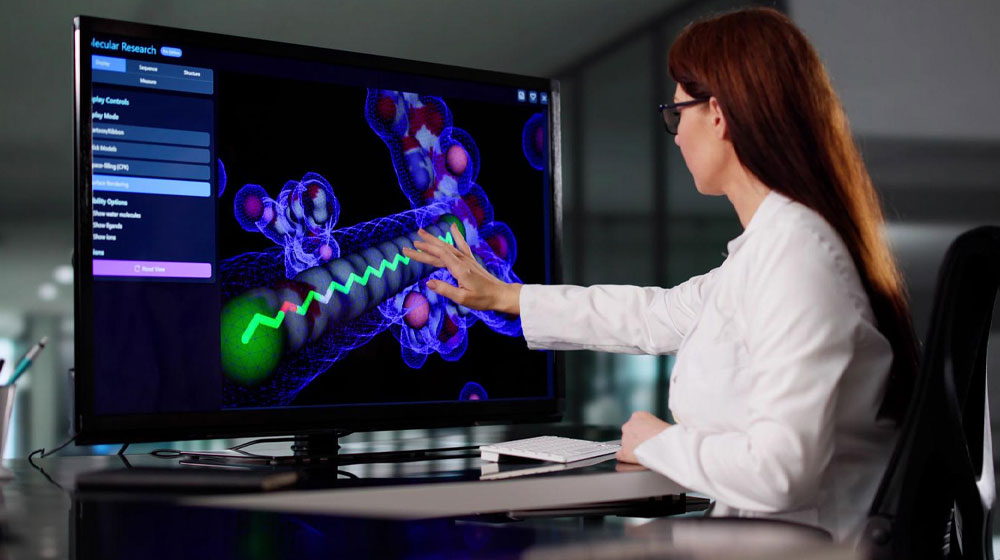
April 2026
DTA-GNN: A Toolkit for Constructing Target-Specific Drug–Target Affinity Datasets and Training Graph Neural Networks
A hands-on toolkit for building drug–target affinity datasets and training GNN models—ready to plug into your workflow.
READ MORE
April 2026
Now's the Time: Computer Science Must Evolve to Emphasize Software and Systems Engineering with AI
Why computer science education needs to shift from “learning to code” to engineering AI-enabled systems.
READ MORE
April 2026
Transforming FHIR into an OWL Knowledge Graph for Schema-Grounded Natural-Language Querying and Exploratory Data Analysis
Turning complex clinical records into a knowledge graph so data is easier to search, explore, and analyze.
READ MORE
March 2026
A Novel Patient-Specific Solution for Merkel Cell Carcinoma in High-Dose-Rate Brachytherapy
A 3D-printed, patient-specific hand applicator made complex HDR brachytherapy practical—see the workflow and 1-year outcome.
READ MORE
February 2026
From Moderation to Mediation: Can LLMs Serve as Mediators in Online Flame Wars?
Can LLMs cool down online fights? See what happens when models try to mediate, not just moderate.
READ MORE
February 2026
Machine Learning Models Powered by Emergency Medical Services Data Enhance Stroke Triage in Prehospital Settings
Faster stroke triage starts in the ambulance. See how EMS data + ML boosts early detection.
READ MORE
February 2026
Uncovering eHealth Engagement Patterns Through Latent Class Analysis and SHAP: A Data Mining Perspective on Telehealth Access
Telehealth isn’t one-size-fits-all. Explore four digital engagement profiles—and what predicts access.
READ MOREFebruary 2026
1st Quarter 2026
AI’s next phase is here: borders are hardening, video is becoming a prized dataset, and real edge is shifting to the data and systems you can uniquely build.
READ MORE
February 2026
Predicting Employees' Organizational Citizenship Behavior: A Comparative Study Using AI Techniques
Can AI predict who goes the extra mile at work? This study shows how HR can use data-driven models to forecast and foster organizational citizenship behavior.
READ MORE
January 2026
Toward AI Agent Behavior Research: A Behavioral Science Approach to Machine Decision-making in AI Interaction Platform
See what happens to attention when only AI agents run the platform—and all optimize the same way.
READ MORE
January 2026
Scaling Biomedical Knowledge Graph Retrieval for Interpretable Reasoning: Applications to Clinical Diagnosis Prediction
Turn billion-edge biomedical graphs into fast, interpretable diagnostic clues with LogosKG.
READ MORE
January 2026
AI Nudging and Decision Quality: Evidence from Randomized Experiments in Online Recommendation Setting
How do AI “nudges” like Amazon’s Choice shape what we buy, how confident we feel, and how much we trust recommendations?
READ MORE
December 2025
Predicting Failures of LLMs to Link Biomedical Ontology Terms to Identifiers: Evidence Across Models and Ontologies
Why do LLMs miss ontology IDs? This study pinpoints the features that predict failure across models and ontologies.
READ MORE
December 2025
Healthcare AI's Unlearned Intermediaries
Explore how deference to FDA processes can quietly block injured patients from recovering in AI device cases.
READ MORE
December 2025
AI in Medication Management and Drug Dosing in Critical Care
Discover where AI is already improving ICU medication dosing—and why multicenter, prospective trials are the next crucial step.
READ MORE
December 2025
Evaluating the Use of LLMs to Answer Patient-Facing Clinical Trial Questions
Not all LLMs are equal: learn why rigorous testing is critical before letting AI talk to patients.
READ MOREDecember 2025
4th Quarter 2025
A quick, practical scan of what’s working in AI right now—beyond the hype: smarter strategy, more reliable results, and audit-ready compliance.
READ MORE
December 2025
3D Shape Cues Affect Human and Artificial Recognition Systems Differently
Do humans and neural networks really “see” the same object? Shape, texture, and 3D cues tell a different story.
READ MORE
December 2025
AI Foundation Model Automates Cryo-EM Structure Determination
Meet Cryo-IEF: a foundation model that automates cryo-EM structure determination.
READ MORE
December 2025
Human at the Center: A Framework for Human-Driven AI Development
When humans and AI work together, performance often drops. See how rethinking design can turn that around.
READ MORE
November 2025
An Interactive Agentic HPC Tutor for Lesson Planning, Teaching, and Assessment
From prompts to parallel programming. Meet an interactive, multi-agent HPC tutor built for classrooms and labs.
READ MORE
November 2025
Bridging the Gap: AI Technology Competence in Contemporary Legal Education
Are tomorrow’s lawyers ready for AI—or already behind?
READ MORE
October 2025
SysLLMatic: Large Language Models are Software System Optimizers
From microbenchmarks to full apps, discover how SysLLMatic scales LLM code optimization to production-size software.
READ MORE
October 2025
Extracting O*NET Features from the NLx Corpus to Build Public Use Aggregate Labor Market Data
A new natural language processing toolkit, funded by the Washington Center for Equitable Growth, extracts over 10 billion data points from 155 million job ads, transforming the chaos of online postings into a powerful, transparent, public-use dataset for analyzing the modern labor market.
READ MORE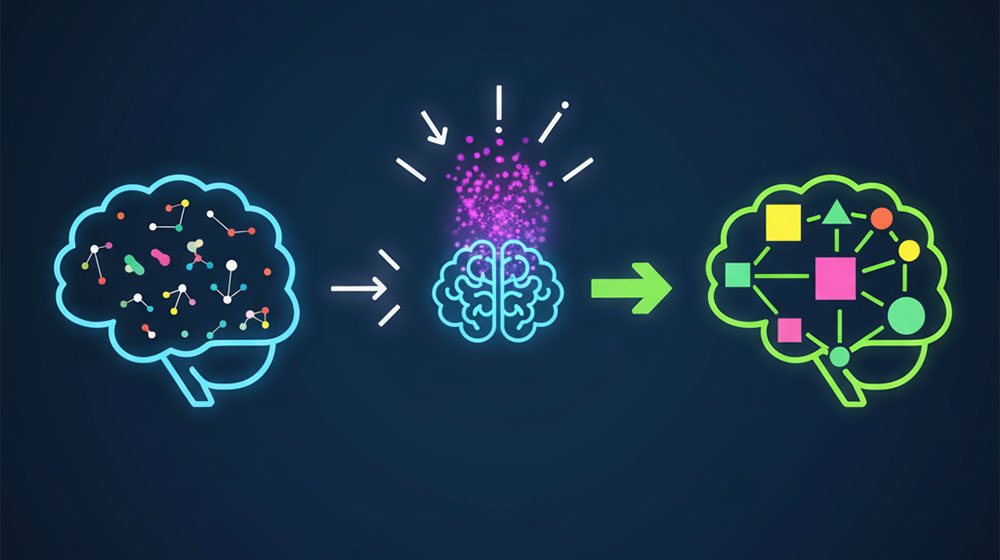
September 2025
Prior Knowledge Shapes Success When Large Language Models Are Fine-Tuned for Biomedical Term Normalization
Research uncovers a "reactive middle zone" where an LLM's existing knowledge determines if fine-tuning will succeed, revealing the secret to a model's ability to learn new biomedical associations.
READ MORE
September 2025
Artificial Intelligence in the Management of Leukemia
AI can already help detect leukemia—can it also help prevent relapse?
READ MORE
September 2025
AI-Driven Systems in MTSS: Potential Opportunities and Challenges
As schools face limited resources, AI offers both promise and pitfalls for implementing MTSS. Learn how educators and school psychologists can harness AI responsibly to support every learner.
READ MOREAugust 2025
3rd Quarter 2025
AI is transforming work through new tools, cloud infrastructure, and automation while highlighting that human relationships, collaboration, and creativity remain essential in the workplace.
READ MORE
July 2025
Strengthening Scientific Integrity: Digital Forensics for Biomedical Research Imaging
See how digital forensics is exposing manipulation in biomedical research images.
READ MORE
July 2025
Use of a Deep Learning Neural Network to Generate Bone Suppressed Images for Markerless Lung Tumor Tracking
A deep learning model generates synthetic bone-suppressed images, enabling accurate markerless lung tumor tracking with a single X-ray exposure.
READ MORE
July 2025
Towards Human-Centered AI: The Role of Social Sciences
The social sciences are essential, not only for analyzing the transformations brought by Artificial Intelligence but primarily for guiding its future development to be human-centered, focusing on its impact on interpersonal relations, social equality, and political regimes/public policy.
READ MORE
June 2025
Climate Media Amidst Technopolitical Change
Climate media research must move beyond outdated frameworks to address the complex, shifting realities of modern media and politics.
READ MORE
May 2025
Improving the Reproducibility of Deep Learning Software
Reproducibility remains a critical challenge in deep learning. This study offers practical guidelines and a case study showing how researchers can close the gap between innovation and reliable replication.
READ MORE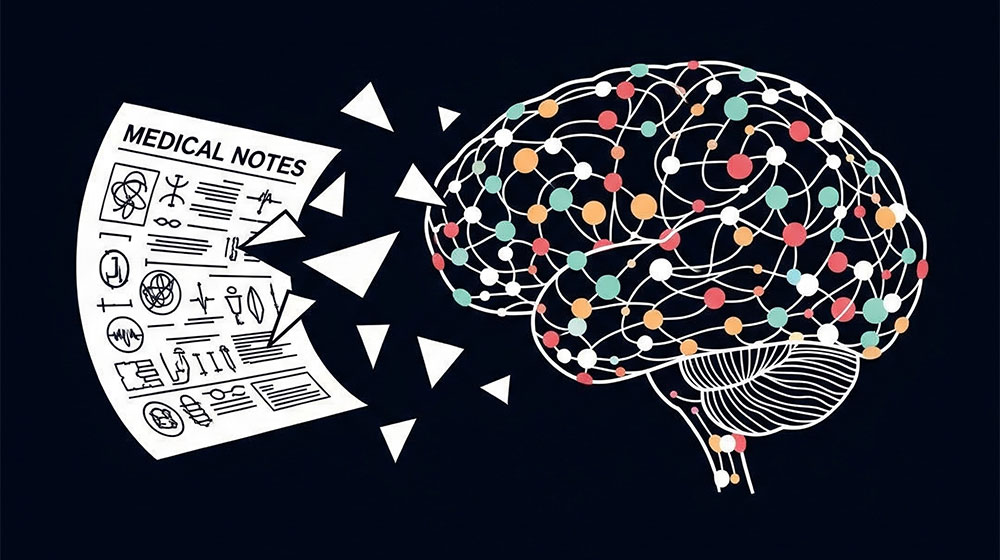
May 2025
Preprocessing of Physician Notes by LLMs Improves Clinical Concept Extraction Without Information Loss
LLMs can clean up messy physician notes—boosting concept extraction by 50% without losing key clinical info.
READ MOREMay 2025
2nd Quarter 2025
From AI inspired by human movement to data-driven retail and the generational shift shaping corporate innovation, these three articles reveal how businesses are adapting—and thriving—in an intelligent, fast-changing world.
READ MORE
April 2025
Artificial Intelligence and Academic Integrity: Legislate or Educate?
Are AI rules enough—or do we need to teach better?
READ MORE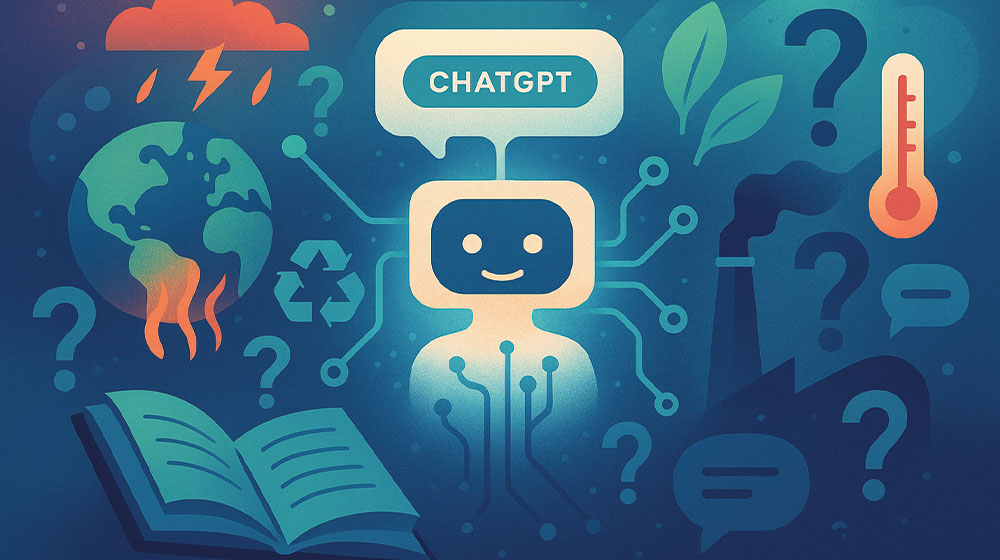
April 2025
Is AI Revolutionizing Climate Change Education?
Learn how ChatGPT’s climate responses often promote passive learning, vague concern, and limited transparency—raising questions for educators and students alike.
READ MOREFebruary 2025
1st Quarter 2025
From workforce disruption to ethical dilemmas, AI is reshaping industries at an unprecedented pace. This issue explores the evolving job landscape, the urgent need to address AI bias, and the latest advancements in automation. Discover what these shifts mean for businesses, workers, and the future of technology-driven decision-making.
READ MORE
January 2025
Ethical Concerns in Contemporary VR and Frameworks for Pursuing Responsible Use
Discover the ethical gaps in Virtual Reality and how existing frameworks—from IRB to care ethics—can be synthesized into a new model for responsible VR use.
READ MORE
January 2025
The TRIPOD-LLM Reporting Guideline for Studies Using Large Language Models
Bringing order to the chaos of LLM-in-healthcare studies—meet TRIPOD-LLM.
READ MORE
January 2025
In Moderation: Automation in the Digital Public Sphere
Explore the Principle of Epistemic Resilience, a new approach to guiding digital platforms' content policies, with insights on how moderation and algorithm changes can foster healthy debate.
READ MOREDecember 2024
4th Quarter 2024
From overcoming adoption challenges to reshaping the workforce, this issue delves into the transformative power of AI. Explore practical strategies for scaling solutions, ethical considerations for the future of work, and hiring trends shaping AI roles. Whether you're navigating implementation or keeping pace with industry demands, these insights offer a roadmap to thrive in the AI-driven era.
READ MORE
December 2024
Humans Outside the Loop
AI may seem autonomous, but human choices shape it at every step—yet when things go wrong, current laws offer little recourse. This piece reveals why today’s liability systems fall short and what could change.
READ MORE
December 2024
Noise2Inverse for 3D Low-Dose Cone-Beam Computed Tomography
Extending Noise2Inverse to 3D CBCT volumes, this deep learning approach reduces noise in low-dose scans, improving image quality without extra radiation exposure.
READ MORE
November 2024
The Routledge Handbook of Artificial Intelligence and Philanthropy
A comprehensive guide to AI and philanthropy, this handbook explores ethical AI integration, philanthropy's role in shaping AI, and practical case studies, fostering collaboration and advancing research.
READ MORE
October 2024
Revealing the Limits of Cybersecurity Law for Healthcare AI
Healthcare tech holds sensitive data, but weak cybersecurity laws leave it exposed.
READ MORE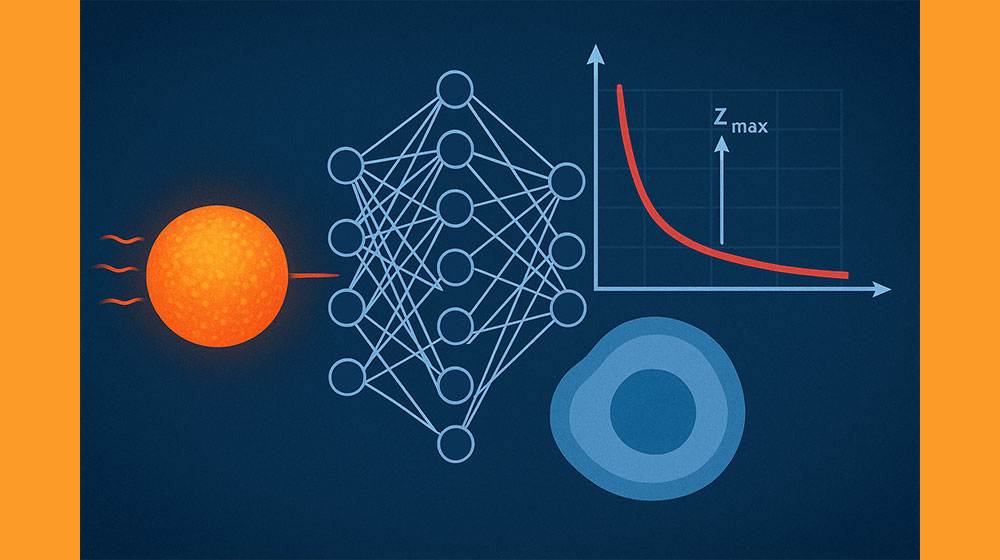
October 2024
Calculation of Alpha Particle Single-Event Spectra Using a Neural Network
A neural network accurately predicts alpha-particle single-event spectra, streamlining microdosimetry calculations across diverse cell and tissue configurations.
READ MORE
September 2024
AI Employment Interviews: Examining Limitations, Biases, and Perceptions
What happens when an algorithm decides if you get the job?
READ MORE
September 2024
The New EU–US Data Protection Framework’s Implications for Healthcare
The new U.S.-EU Data Privacy Framework aims to ease health data transfers—but gaps and stricter EU rules may still hinder cross-border healthcare and research.
READ MOREAugust 2024
3rd Quarter 2024
Explore how the latest advancements in AI and machine learning are transforming industries across the board. From aligning strategic investments to drive long-term profitability, to the cutting-edge innovations in financial services, and the revolutionary impact of Gen AI-powered Digital Knowledge Workers™ in manufacturing—discover how these technologies are enhancing decision-making, boosting productivity, and driving the next wave of business success.
READ MORE
May 2024
Synthetic Realities and AI-Generated Contents
When AI can fake anything, how do we trust what we see?
READ MOREMay 2024
2nd Quarter 2024
Topics include generative AI's impact on manufacturing design, maintenance, and quality control; the role of objective functions in defining AI's capabilities; and how large language models are transforming AI with autonomous agents for improved decision-making and customer experiences.
READ MORE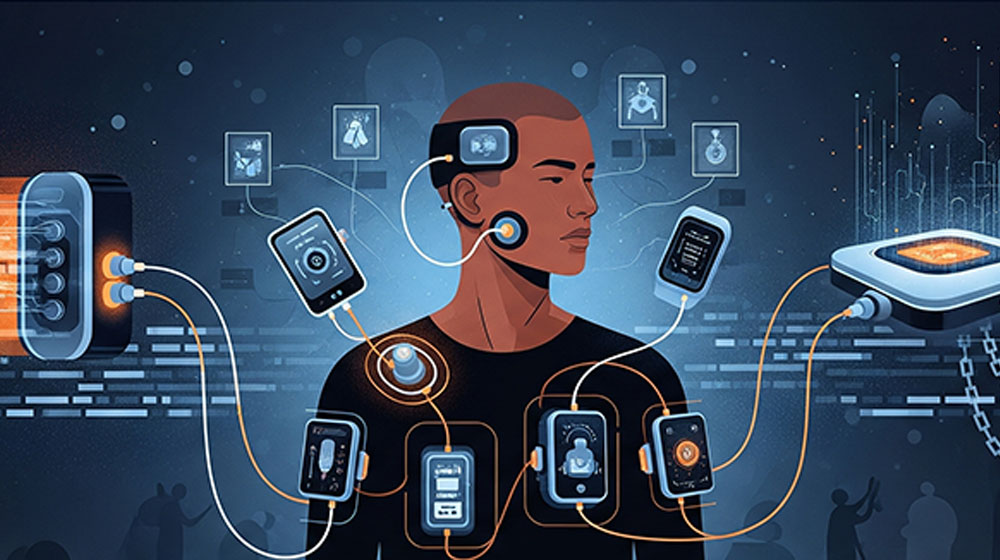
May 2024
Prescribing Exploitation
AI-powered medical devices can quietly exploit patients, especially when reliance is unavoidable and data collection is constant. This piece argues for legal safeguards to protect users from excessive harm.
READ MORE
April 2024
What’s Democratic About ‘Democratizing AI’?
By invoking the language of democracy without considering how best to ensure collective governance, tech companies fail at offering a truly democratic AI.
READ MORE
April 2024
A Computer Vision Solution to Cross-cultural Food Image Classification and Nutrition Logging
What if snapping a photo could give anyone, anywhere, an accurate nutrition log—no matter the cuisine?
READ MORE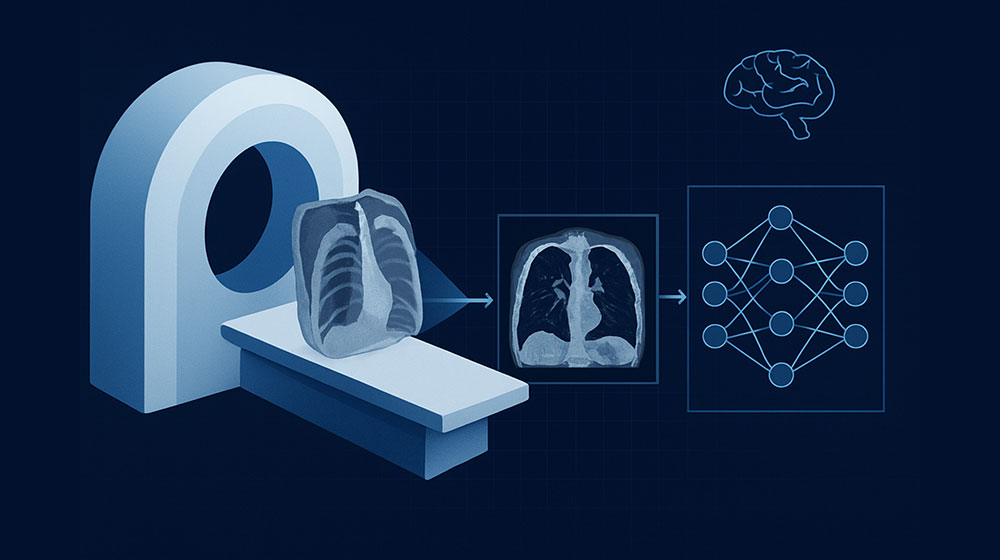
April 2024
Advancing the Frontiers of Deep Learning for Low-Dose 3D Cone-Beam Computed Tomography Reconstruction
A large-scale benchmark study reveals how deep learning can enhance low-dose 3D CT reconstructions, cutting radiation without compromising image quality.
READ MORE
April 2024
Low Dose CBCT Denoising Using a 3D U-Net
A 3D deep learning approach effectively denoises low-dose CBCT scans, reducing radiation exposure while preserving image quality.
READ MOREMarch 2024
1st Quarter 2024
Topics include: Retrieval-Augmented Generation (RAG) models and their potential for various industries; the transformative role of AI in supply chain management, and machine learning insights for non-machine learning engineers.
READ MORE
December 2023
Ethical and Social Challenges, the Frontier of AI
AI can transform lives with immense benefits but risks amplifying societal issues if not carefully designed.
READ MOREOctober 2023
4th Quarter 2023
Topics include: how successful structuring of AI can improve productivity, protocols for ChatGPT use in the classroom; six points to assist firms in the structure and rollout of AI; and the potential need for governance, risk, and compliance solutions as AI regulation increases.
READ MORE
October 2023
Dosimetric and Workflow Impact of Synthetic-MRI Use in Prostate High-Dose-Rate Brachytherapy
Synthetic MRI generated from CT can streamline prostate HDR brachytherapy planning, maintaining accurate target coverage while reducing workflow complexity and registration errors.
READ MORE
October 2023
Holistic Evaluation of Language Models
HELM enhances transparency in language models through comprehensive evaluation across scenarios and metrics, benchmarking 30 models to expose trade-offs, improve coverage, and share findings openly for community collaboration.
READ MOREJuly 2023
3rd Quarter 2023
Topics include: how AI is transforming retail supply and demand planning; ways generative AI can be leveraged in the insurance industry and executive search; and a consumer perspective of health care and AI.
READ MORE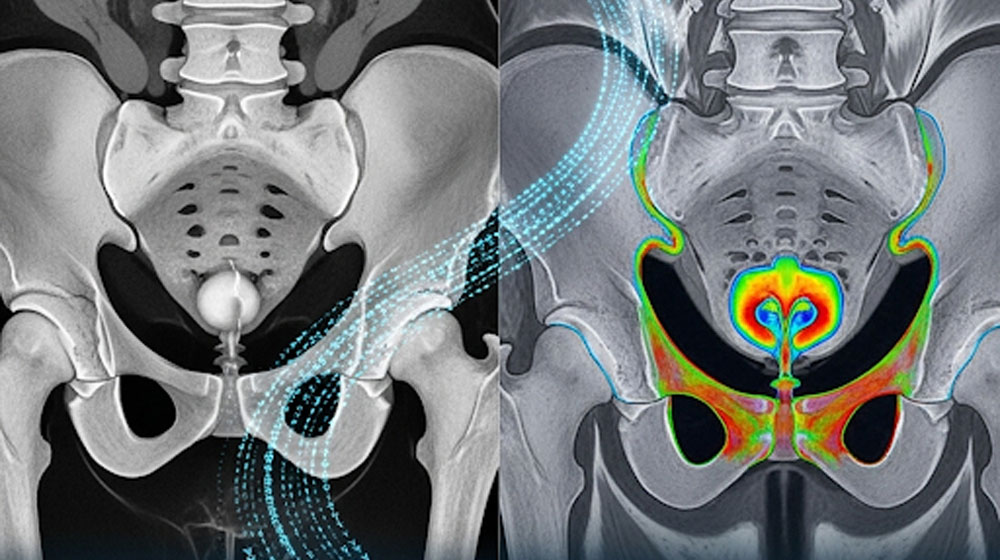
July 2023
Prostate Segmentation Accuracy Using Synthetic MRI for High-Dose-Rate Prostate Brachytherapy Treatment Planning
A generative AI model creates synthetic MRI from CT scans, enabling accurate prostate segmentation for high-dose-rate brachytherapy even when MRI is unavailable.
READ MORE2022 Research
November 2022
Adopting a Dynamic AI Price Optimisation Model to Encourage Retail Customer Engagement
Technology innovation, changing consumer preferences and behaviours and competition compel successful enterprises to embrace change. Nowhere are these pressures more acute than in the retail industry and, in particular, for those engaged in the sale of fashion merchandise.
June 2022
Development and Multimodal Validation of a Substance Misuse Algorithm for Referral to Treatment Using Artificial Intelligence (SMART-AI)
A new AI algorithm accurately screens hospital patients for multiple types of substance misuse using just the first 24 hours of clinical notes.
2021 Research
December 2021
Beyond the "Black Box"
AI's "black box" hides behind trade secrets. Discover how system and process disclosure can unlock transparency and fairness without revealing core algorithms.
November 2021
AI’s Legitimate Interest: Towards a Public Benefit Privacy Model
Health privacy laws are failing to keep pace with AI. Explore a new model that protects individuals while unlocking health data's full potential for community well-being.
August 2021
Medical Device Artificial Intelligence: The New Tort Frontier
AI medical devices promise health breakthroughs but pose new safety risks. Discover how current laws fall short and what's needed for patient protection in this new tort frontier.
March 2021
Balancing the Halo: Data Surveillance Disclosure and Algorithmic Opacity in Smart Hearing Aids
Smart hearing aids: powerful, but data collection is opaque, limiting user control. This article reveals the problem and proposes solutions for informed choice.
January 2021
Legal Opacity: Artificial Intelligence’s Sticky Wicket
AI's "black box" isn't just technical; it's also legally opaque, creating a dual barrier to true transparency.
2020 Research
September 2020
Medical Imaging and Privacy in the Era of Artificial Intelligence: Myth, Fallacy, and the Future
AI transforms medical imaging, but existing privacy laws like HIPAA can't protect uniquely identifiable digital images. We need new consent models to responsibly harness AI's diagnostic power.
May 2020
Healthcare Privacy-AI Impasse
How has technology changed the patient-physician relationship? Dive into the healthcare privacy-AI impasse and its impact on your medical data.
2018 Research
September 2018
Deus ex Machina: Regulating Cybersecurity and Artificial Intelligence for Patients of the Future
Uncover how the "Deus ex Machina" of AI promises medical miracles, but necessitates urgent regulatory action to safeguard future patients from unforeseen cybersecurity risks.
March 2018
Regulating the Internet of Things: Discrimination, Privacy, and Cybersecurity in the AI Age
IoT and AI introduce new privacy and cybersecurity risks to everyday products. This article explores current regulatory gaps and proposes a balanced legal framework to protect consumers and foster innovation.
Below are various AI-related research publications by LUC faculty and the AI Business Consortium's online publication, The AI Edge.