
Lipschultz Social Media
In a world that seems to be almost entirely controlled and consumed by technology, there lies an issue of privacy concerns, user presence online, and advertising from a digital perspective. This is all engulfed in the blanket term of social media law.
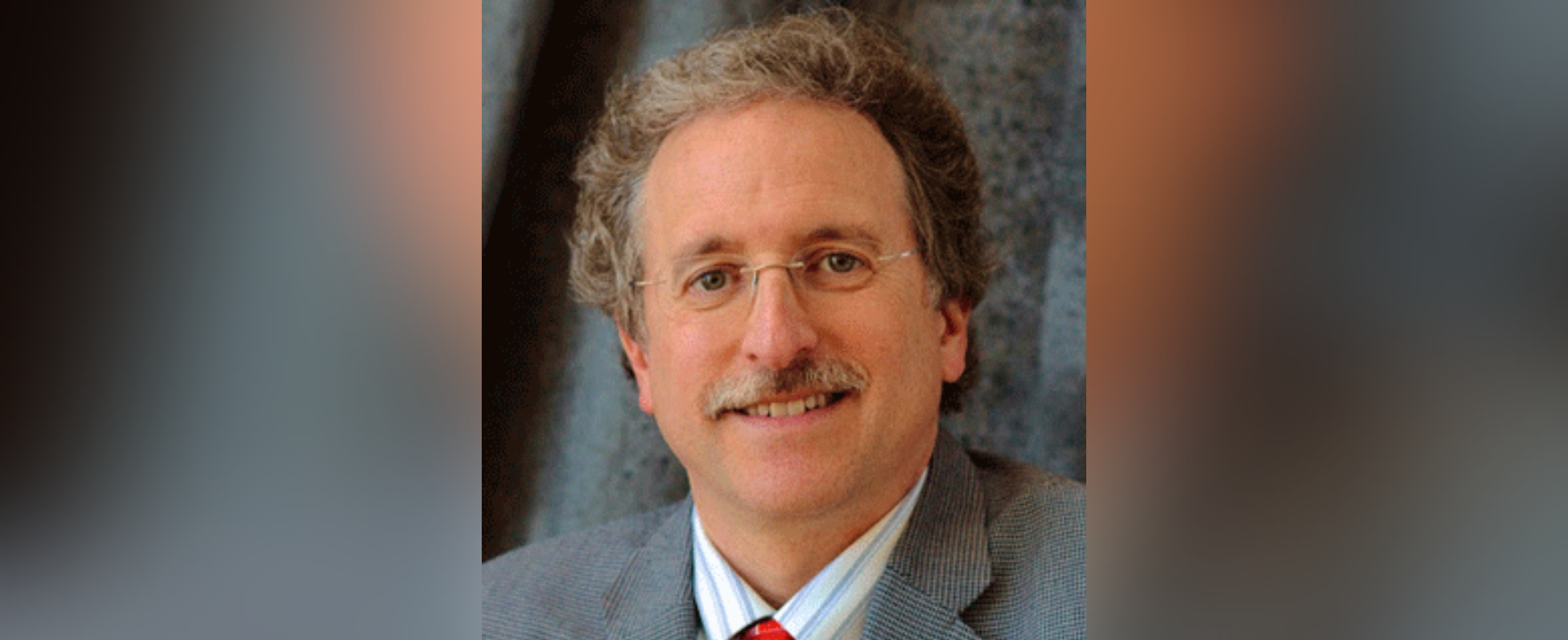
Although it initially sounds a little vague, here to dissect the concept in a much easier-to-understand fashion is Jeremy Harris Lipschultz. Lipschultz, who previously taught at the University of Nebraska, is an adjunct professor at Loyola University. He is a highly decorated professor with over a dozen books published regarding media and social media communication. One of these books is “Social Media Communication: Concepts, Practices, Data, Law, and Ethics.” Lipschultz returns with the fourth edition of the book, exploring social media’s relationship in many areas of communication such as journalism, public relations, and advertising and marketing. He also dives into more data and privacy concerns, law and regulation, and the overall future of social media.
What is new about the second edition of the book?
The data and analyses are far more updated in this version as opposed to the previous version, tackling more modern examples such as COVID-19, as well as the increasingly important discussion of the role of Artificial Intelligence.
Why does it matter in the classroom for students and faculty?
The fourth edition of the book gives a more nuanced and updated view of the world of social media to help students and faculty grasp the concept from a contemporary point of view. Lipschultz breaks down complex issues with modern examples to make it easier for today’s students to understand. As was previously stated, technology is a concept that is never at a standstill; it is constantly evolving. It is important that we are staying up to date with as much as information as we are provided.
With the ever-growing presence of fake news online, how can one discern what is the truth and what is false?
Arguably the most important rule of journalism is to report the truth and to do so without any bias. However, this is becoming more and more difficult with the presence of fake news. “The search for truth or reality, at least one devoid of personal opinion, is nearly impossible within a social media world that is flooded with bloggers and tweets,” states Lipschultz. Readers and journalists are having to make the decision between siding with legitimate facts and their own personal convictions, making it even more difficult to trust news in today’s age. Thus, steering clear of sites and publications with known instances of biased reports and politically skewed articles gives readers the best chance at discovering the truth amongst the mass of falsified information.
Should there be any government regulation in social media content in regard to one’s freedom of speech and expression?
Freedom of expression and speech is something that seems to be threatened just about every day, particularly on a political landscape. While many people refer to the Constitution in order to exercise their First Amendment rights, they are often unaware exactly what it is they are exercising or rather, where they are granted the freedom to exercise this right. Cases arise left and right about so-and-so saying something that would result in the defamation of their character, especially now in the world of “cancel culture.” “The US Supreme Court is being asked to consider whether or not social media sites, such as Twitter, Facebook and YouTube, have a right to moderate, label and ban political content,” explains Lipschultz. Although individuals can be doxed, flagged or removed entirely depending on the severity of their content, “The US First Amendment perspective tends to promote freedom of expression by limiting government action against media – including social media.”
In the event that artificial intelligence shares or spreads misinformation, who is legally reliable for it?
With how quickly artificial intelligence bots such as ChatGPT are evolving now, there are actually very few laws to regulate what happens when misinformation is shared and spread. While there are base laws that keep personal information from being spread, as well as copyright laws, and while AI developers would technically be held liable, the laws are still in a state of evolution and not set in stone.
Sidebar: What are five takeaways for students from the book?
- With how vast the landscape of social media is, users should optimize tools to manage their time so as to not lose the traditional form of communication.
- Utilize links to websites to increase traffic and better spread forms of media like newspapers, magazines, and journalism.
- Utilize social media metrics to gauge interactive responses from users.
- Stay ahead of the social media curve by growing your brand through influence.
- Keep up with trends, this is a great way to grow your brand and increase user interaction.
Story by Gabriel Ryan • Photos courtesy of Professor Jeremy Lipschultz • Oct. 3, 2025
Social Media Communication Through the Lens of Professor Lipschultz
What is new about the second edition of the book?
The data and analyses are far more updated in this version as opposed to the previous version, tackling more modern examples such as COVID-19, as well as the increasingly important discussion of the role of Artificial Intelligence.
Why does it matter in the classroom for students and faculty?
The fourth edition of the book gives a more nuanced and updated view of the world of social media to help students and faculty grasp the concept from a contemporary point of view. Lipschultz breaks down complex issues with modern examples to make it easier for today’s students to understand. As was previously stated, technology is a concept that is never at a standstill; it is constantly evolving. It is important that we are staying up to date with as much as information as we are provided.
With the ever-growing presence of fake news online, how can one discern what is the truth and what is false?
Arguably the most important rule of journalism is to report the truth and to do so without any bias. However, this is becoming more and more difficult with the presence of fake news. “The search for truth or reality, at least one devoid of personal opinion, is nearly impossible within a social media world that is flooded with bloggers and tweets,” states Lipschultz. Readers and journalists are having to make the decision between siding with legitimate facts and their own personal convictions, making it even more difficult to trust news in today’s age. Thus, steering clear of sites and publications with known instances of biased reports and politically skewed articles gives readers the best chance at discovering the truth amongst the mass of falsified information.
Should there be any government regulation in social media content in regard to one’s freedom of speech and expression?
Freedom of expression and speech is something that seems to be threatened just about every day, particularly on a political landscape. While many people refer to the Constitution in order to exercise their First Amendment rights, they are often unaware exactly what it is they are exercising or rather, where they are granted the freedom to exercise this right. Cases arise left and right about so-and-so saying something that would result in the defamation of their character, especially now in the world of “cancel culture.” “The US Supreme Court is being asked to consider whether or not social media sites, such as Twitter, Facebook and YouTube, have a right to moderate, label and ban political content,” explains Lipschultz. Although individuals can be doxed, flagged or removed entirely depending on the severity of their content, “The US First Amendment perspective tends to promote freedom of expression by limiting government action against media – including social media.”
In the event that artificial intelligence shares or spreads misinformation, who is legally reliable for it?
With how quickly artificial intelligence bots such as ChatGPT are evolving now, there are actually very few laws to regulate what happens when misinformation is shared and spread. While there are base laws that keep personal information from being spread, as well as copyright laws, and while AI developers would technically be held liable, the laws are still in a state of evolution and not set in stone.
Sidebar: What are five takeaways for students from the book?
- With how vast the landscape of social media is, users should optimize tools to manage their time so as to not lose the traditional form of communication.
- Utilize links to websites to increase traffic and better spread forms of media like newspapers, magazines, and journalism.
- Utilize social media metrics to gauge interactive responses from users.
- Stay ahead of the social media curve by growing your brand through influence.
- Keep up with trends, this is a great way to grow your brand and increase user interaction.