
Fusion Programs
A unique learning experience: in city and in the countryside
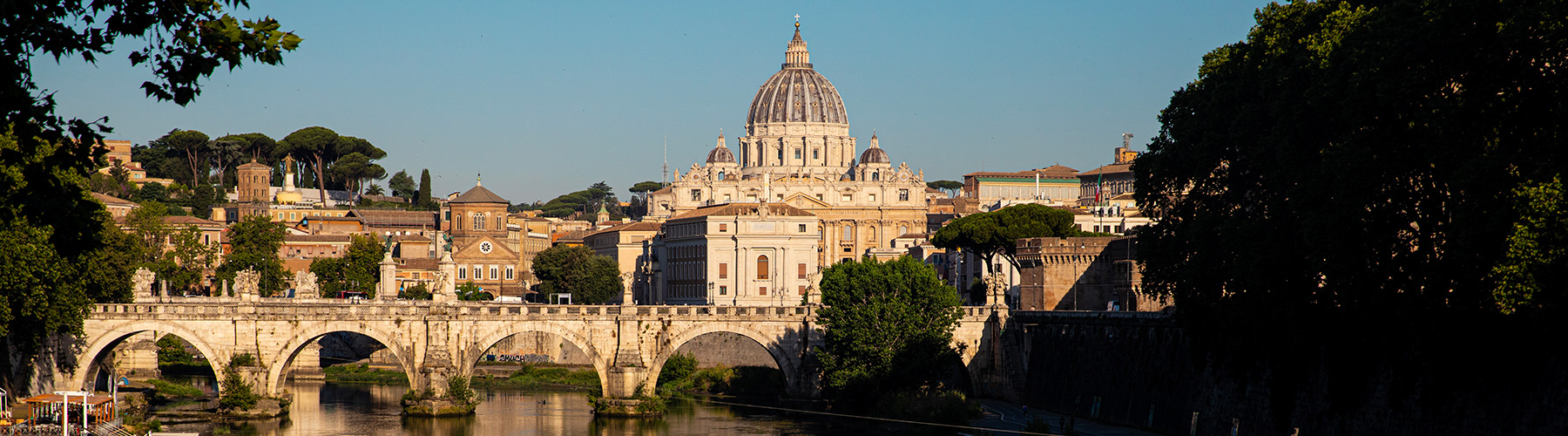
The John Felice Rome Center of Loyola University Chicago welcomes you to Italy for a unique adventure this summer. The Summer Fusion Program combines content from two different subject areas, as well as theory with practice in two different regions of Italy. The two class combinations have been intentionally selected so that the courses complement each other. Students will apply what is learned in the classroom to their hands-on experiences providing a comparative perspective.
This year the Rome Center is offering: Food Systems and Writing from Farm to City.
The Fusion Program will start and end at the Rome campus, but travel to Abruzzo for several weeks in the middle. Students are required to enroll in both classes that constitute a fusion experience.
The two courses included in the Fusion Program are ENGL 319 Writing Creative Nonfiction (Artistic core) and LITR 268R Italian Culture: Food & Wine.
Benefits of a Fusion Experience
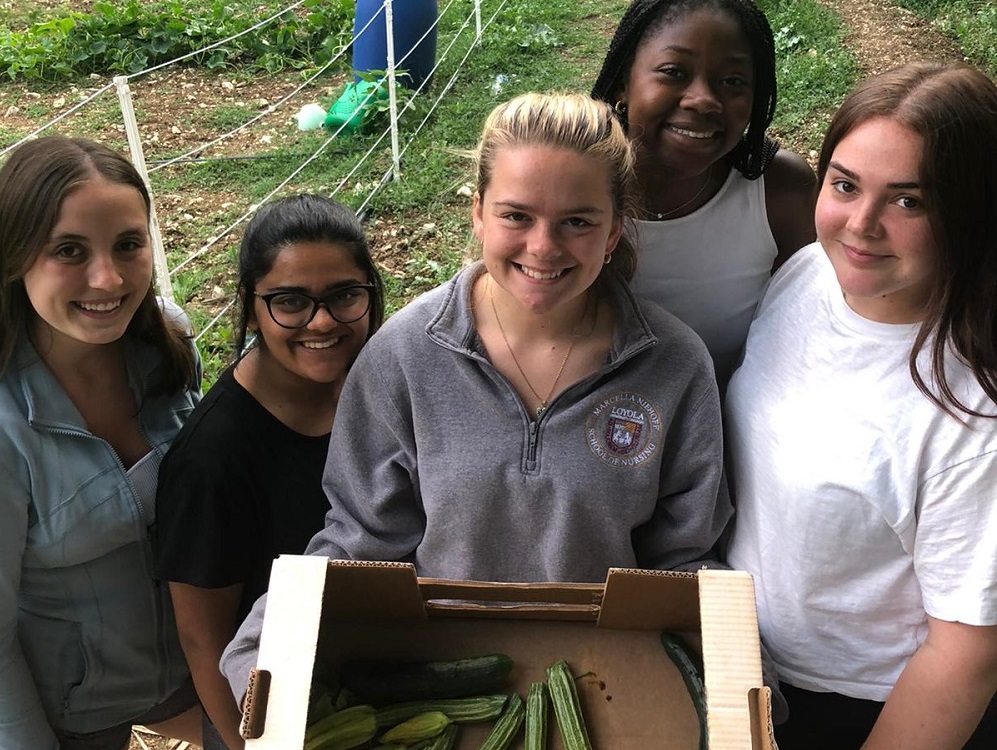
Students who choose the Fusion experience will take two classes connected to each experience from two different subject areas. These courses fuse theory with practice, as students will be applying what is learned in the classroom to out of the classroom, hands-on experiences. The program also fuses two different regions of Italy into one experience for a comparative perspective.
Learn More about the Summer SessionFood Systems and Writing from Farm to City
This Fusion brings together creative writing and the food systems present in Italy today. In five weeks you will learn everything you have always wanted to know about the city of Rome, as well as one of Italy’s most beautiful regions: Abruzzo. Together we will explore the history, the culture, the customs, food systems and the cuisine of the city and countryside of Italy. Students discover new landscapes through writing and tasting. This Summer Fusion Program brings culture and creative non-fiction writing together in one package. You will learn to observe and to record both the past and the present, and to appreciate the widest variety of flavors and tastes, to grasp culture and nature, and to understand how it has formed a city, a country, and its peoples throughout the centuries – until the present day!
After two and a half weeks in Rome, at the campus of the John Felice Rome Center, you will transfer to the breathtakingly beautiful region of Abruzzo. From there you will explore this spectacular part of Italy, learning about many aspects of life in the countryside, which is so rich in history and traditions, especially when it comes to food and wine.
While in Rome students will attend classes both on campus and off campus in the city Rome. Together we will discover some of Rome’s most interesting neighborhoods (Testaccio, Trastevere, Esquillino, and the Jewish Quarter). Here you will learn the basics of creative writing and the food culture of Italy in general and more specifically of Rome.
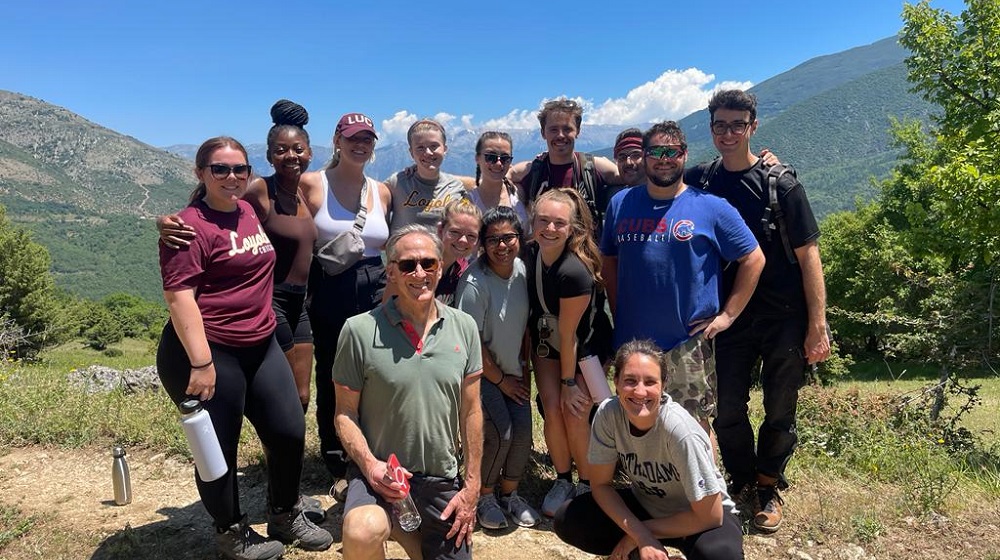
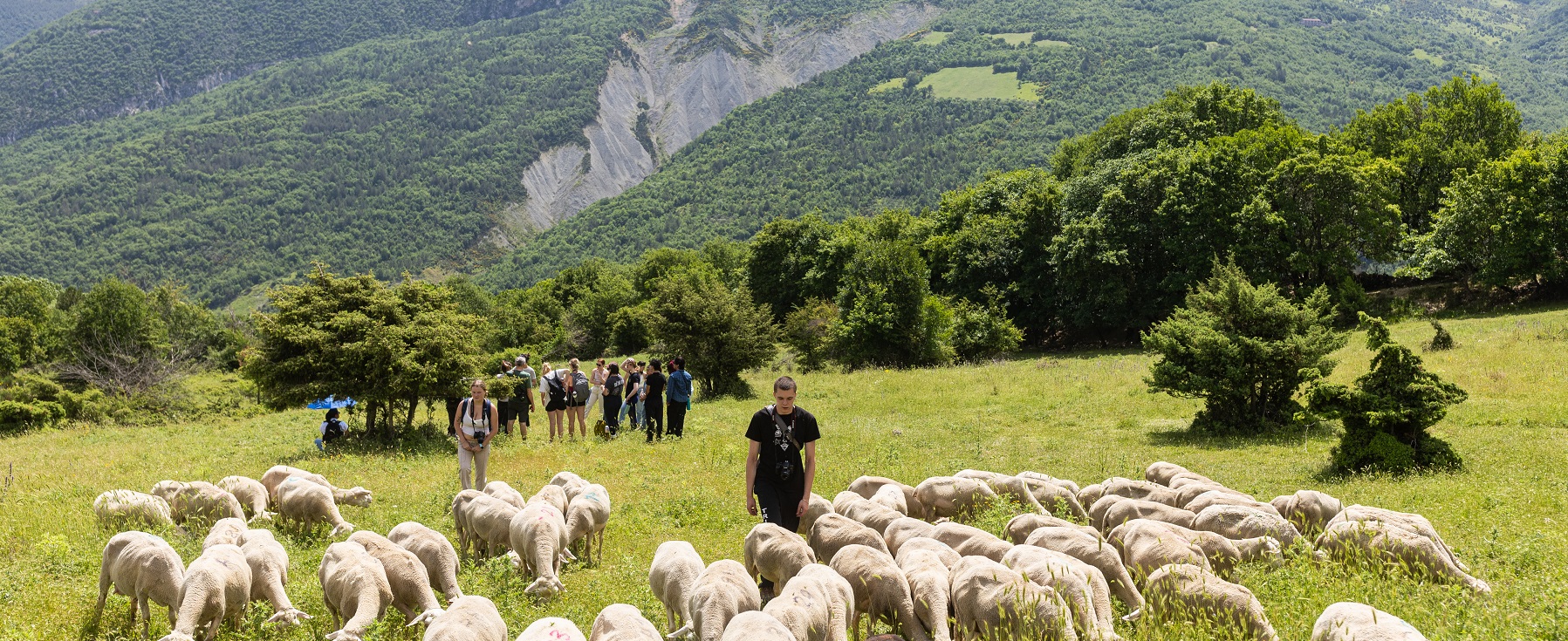
After two weeks in Rome, we will travel to Abruzzo where we will be staying in a traditional agriturismo located near the small village of Anversa degli Abruzzi. During this time, we will be visiting various points of interest in the food and wine of the region. Activities in Abruzzo will include: a cheese making demonstration at La Porta dei Parchi’s dairy farm, a visit to chocolate factory Confettificio William Di Carlo, Casa Vinicola Pietrantoni winery and wine cellar, and a visit the Della Valle Olive Grove and Press. We will work as shepherds for a day, following the sheep up the mountain where they eat the fresh mountain herbs and grass. Students will also participate in several cooking classes where they will learn how to make pasta, traditional Abruzzese dishes, and examine the cultural and historical significance of these dishes.
After ten days in Abruzzo, you will return to Rome with a private bus transfer. On returning to Rome we will regroup and review for the final before finishing the semester.
LITR 268R - Italian Culture: Food & Wine
Perhaps the best way to learn about the Italian people is to examine the history and culture of the country’s food and cooking traditions. By learning about urban and rural food systems, we will gain a greater understanding of Italy and Italians themselves. In this course students will analyze and critically evaluate ideas, arguments and points of view regarding food systems, food culture and history.
In Rome we will examine the food of the Italy's capital city both in the past and present. Together we will look at urban foodways and how they are connected and disconnected from the countryside. In visiting several Roman neighborhoods we will examine several areas which have been critical in developing the foodways of Rome today. We will also spend time examining the spaces where food is grown and sold in the city: urban gardens, open-air markets and supermarkets. Together we will analyze the relationship between the city and the countryside in terms of food systems.
When we travel to Abruzzo – in addition to witnessing first-hand the production of typical products: olive oil, pasta, cheese, chocolate, wine, etc – we will examine the specific traditions and history of the region’s food, taking special interest in the rural and agricultural space of region. This context will allow for a comparative analysis of the food culture of both Rome and Abruzzo, in addition to the urban and rural foodways of both places. Here students will appreciate the importance of being close to the production of the food and drink we consume.
ENGL 319 - Writing Creative Nonfiction
The nonfiction writing workshop fuses travel and real world observation to the production of original and innovative writing. The experiential on-site classroom will teach students how to observe, record, and think in original ways about the self in relation to place, travel, and history. Students will also spend time in an in-class writing workshop which will teach students how to craft, develop, and edit both short and long form creative nonfiction. On site, students will navigate the narrow trafficked streets of Rome to majestic landmarks and bustling modern markets. In Abruzzo, they will wander through the blonde and craggy mountains, and experience the delights of rural and agricultural life. They will explore how American and Italian realities merge, how the present marries the past, and how the Italian urban landscape distinguishes itself from the rural. Students will acquire unique observational and literary skills as they navigate Italian culture in its different realms. Readings will include personal essays, travel essays, and various short form nonfiction. Student writing will emphasize storytelling and narrative technique, as well as the documentation of fact and culture. Students will explore journaling, flash narrative, the personal essay, and the travel essay. Students will use their observations and cultural research to develop vivid fact-based writing that reflects on identity, memory, food, and travel.
Abruzzo Summer Fusion Program: Photography and Food
Take a look at past Summer Fusion Experiences
Watch VideoA unique learning experience: in city and in the countryside
The John Felice Rome Center of Loyola University Chicago welcomes you to Italy for a unique adventure this summer. The Summer Fusion Program combines content from two different subject areas, as well as theory with practice in two different regions of Italy. The two class combinations have been intentionally selected so that the courses complement each other. Students will apply what is learned in the classroom to their hands-on experiences providing a comparative perspective.
This year the Rome Center is offering: Food Systems and Writing from Farm to City.
The Fusion Program will start and end at the Rome campus, but travel to Abruzzo for several weeks in the middle. Students are required to enroll in both classes that constitute a fusion experience.
The two courses included in the Fusion Program are ENGL 319 Writing Creative Nonfiction (Artistic core) and LITR 268R Italian Culture: Food & Wine.
Food Systems and Writing from Farm to City
This Fusion brings together creative writing and the food systems present in Italy today. In five weeks you will learn everything you have always wanted to know about the city of Rome, as well as one of Italy’s most beautiful regions: Abruzzo. Together we will explore the history, the culture, the customs, food systems and the cuisine of the city and countryside of Italy. Students discover new landscapes through writing and tasting. This Summer Fusion Program brings culture and creative non-fiction writing together in one package. You will learn to observe and to record both the past and the present, and to appreciate the widest variety of flavors and tastes, to grasp culture and nature, and to understand how it has formed a city, a country, and its peoples throughout the centuries – until the present day!
After two and a half weeks in Rome, at the campus of the John Felice Rome Center, you will transfer to the breathtakingly beautiful region of Abruzzo. From there you will explore this spectacular part of Italy, learning about many aspects of life in the countryside, which is so rich in history and traditions, especially when it comes to food and wine.
While in Rome students will attend classes both on campus and off campus in the city Rome. Together we will discover some of Rome’s most interesting neighborhoods (Testaccio, Trastevere, Esquillino, and the Jewish Quarter). Here you will learn the basics of creative writing and the food culture of Italy in general and more specifically of Rome.
After two weeks in Rome, we will travel to Abruzzo where we will be staying in a traditional agriturismo located near the small village of Anversa degli Abruzzi. During this time, we will be visiting various points of interest in the food and wine of the region. Activities in Abruzzo will include: a cheese making demonstration at La Porta dei Parchi’s dairy farm, a visit to chocolate factory Confettificio William Di Carlo, Casa Vinicola Pietrantoni winery and wine cellar, and a visit the Della Valle Olive Grove and Press. We will work as shepherds for a day, following the sheep up the mountain where they eat the fresh mountain herbs and grass. Students will also participate in several cooking classes where they will learn how to make pasta, traditional Abruzzese dishes, and examine the cultural and historical significance of these dishes.
After ten days in Abruzzo, you will return to Rome with a private bus transfer. On returning to Rome we will regroup and review for the final before finishing the semester.
LITR 268R - Italian Culture: Food & Wine
Perhaps the best way to learn about the Italian people is to examine the history and culture of the country’s food and cooking traditions. By learning about urban and rural food systems, we will gain a greater understanding of Italy and Italians themselves. In this course students will analyze and critically evaluate ideas, arguments and points of view regarding food systems, food culture and history.
In Rome we will examine the food of the Italy's capital city both in the past and present. Together we will look at urban foodways and how they are connected and disconnected from the countryside. In visiting several Roman neighborhoods we will examine several areas which have been critical in developing the foodways of Rome today. We will also spend time examining the spaces where food is grown and sold in the city: urban gardens, open-air markets and supermarkets. Together we will analyze the relationship between the city and the countryside in terms of food systems.
When we travel to Abruzzo – in addition to witnessing first-hand the production of typical products: olive oil, pasta, cheese, chocolate, wine, etc – we will examine the specific traditions and history of the region’s food, taking special interest in the rural and agricultural space of region. This context will allow for a comparative analysis of the food culture of both Rome and Abruzzo, in addition to the urban and rural foodways of both places. Here students will appreciate the importance of being close to the production of the food and drink we consume.
ENGL 319 - Writing Creative Nonfiction
The nonfiction writing workshop fuses travel and real world observation to the production of original and innovative writing. The experiential on-site classroom will teach students how to observe, record, and think in original ways about the self in relation to place, travel, and history. Students will also spend time in an in-class writing workshop which will teach students how to craft, develop, and edit both short and long form creative nonfiction. On site, students will navigate the narrow trafficked streets of Rome to majestic landmarks and bustling modern markets. In Abruzzo, they will wander through the blonde and craggy mountains, and experience the delights of rural and agricultural life. They will explore how American and Italian realities merge, how the present marries the past, and how the Italian urban landscape distinguishes itself from the rural. Students will acquire unique observational and literary skills as they navigate Italian culture in its different realms. Readings will include personal essays, travel essays, and various short form nonfiction. Student writing will emphasize storytelling and narrative technique, as well as the documentation of fact and culture. Students will explore journaling, flash narrative, the personal essay, and the travel essay. Students will use their observations and cultural research to develop vivid fact-based writing that reflects on identity, memory, food, and travel.