
SES seminar 2026-03
SES Seminar Series
Graduate Student Showcase
Presented by the School of Environmental Sustainability
- Wednesday, March 18, 2026
- 3:30 p.m.- 4 p.m.: Refreshments in the SES atrium
- 4 p.m.-5 p.m.: Presentation in SES room 111
Students in the master’s degree program at the School of Environmental Sustainability (SES) will discuss their research into vital environmental issues. Topics include invasive species management in the Great Lakes region, strategies for enhancing food security while reducing waste, and the economic impacts of environmental risks.
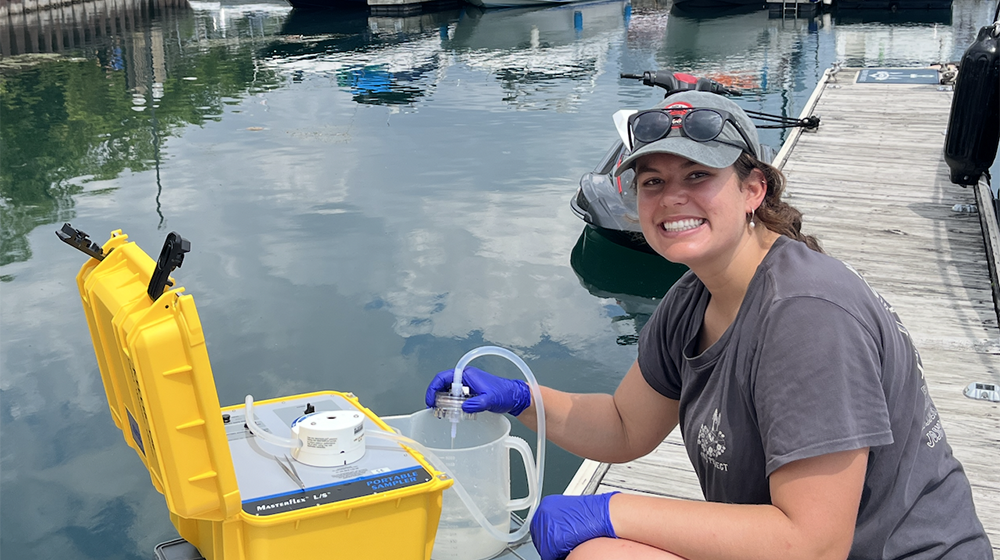
Megan Cunnison studies starry stonewort invasions in Chicago’s Lake Michigan harbors.
Megan Cunnison studies starry stonewort (Nitellopsis obtusa) invasions in Chicago’s Lake Michigan harbors through SCUBA surveys and the development of an environmental DNA assay. As a master’s student in the Keller Lab, she is often found in Chicago’s harbors and the SES labs studying aquatic invasive species. Megan has loved learning about Lake Michigan as a student, researcher, and recreator. “Experiencing droughts and algae blooms, observing fish and invertebrates, and rafting in freshwater ecosystems have inspired me to study them,” she said.
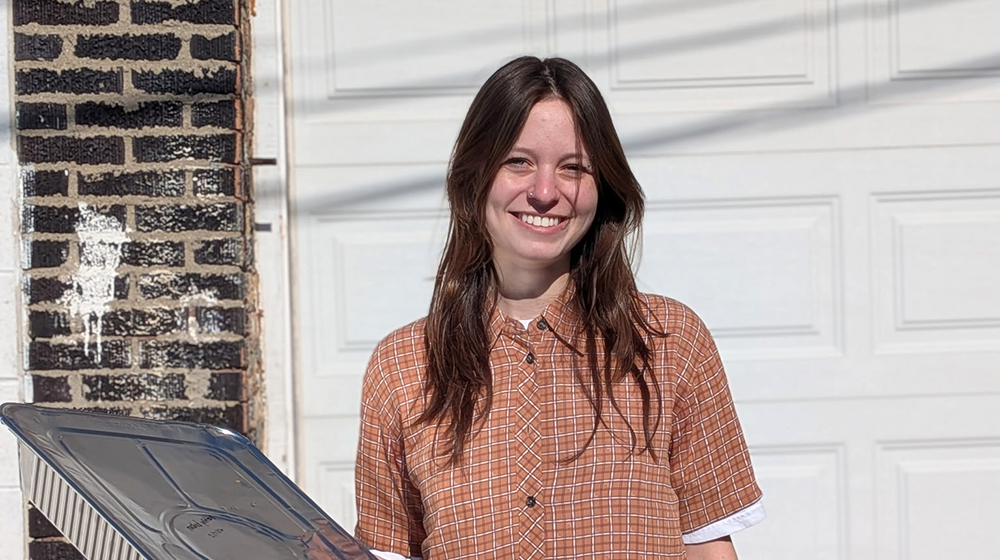
Kelly Evans will present research designed to help expand food recovery, reduce food waste, and increase food security.
Kelly Evans is working with the Chicago Farmers Market Collective to discover the barriers and supports related to the recovery of fresh produce at Chicago farmers’ markets. She will present research designed to help expand food recovery, reduce food waste, and increase food security. Kelly is dually enrolled as an undergraduate in environmental studies and a research-track graduate student. She leads Food Recovery Network and serves as an editor for the Student Environmental Alliance’s Leaflet. Aside from her interest in food systems, she engages with environmental justice organizations in Rogers Park to advance equitable access to environmental resources.
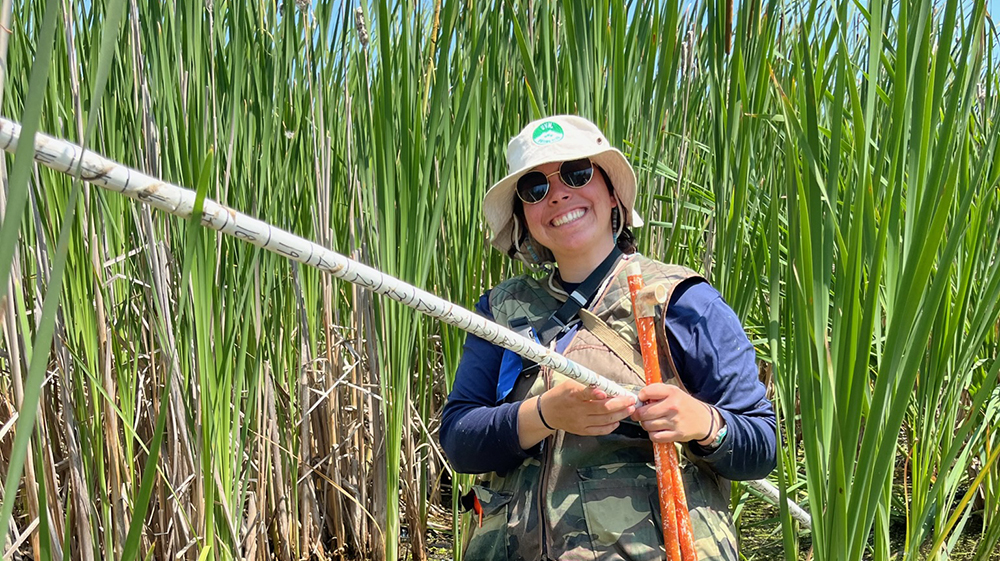
MacKenzie Michaels is studying the vegetation response to invasive cattail harvest in a 56-acre marsh in Michigan.
MacKenzie Michaels is studying the vegetation response to invasive cattail harvest in a 56-acre marsh at Shiawassee National Wildlife Refuge in Saginaw, Michigan. She is working toward her master’s degree in environmental science while conducting research with Team Typha, a wetland ecology lab led by Brian Ohsowski, PhD, and Shane Lishawa, MS. Before starting at Loyola, MacKenzie held seasonal positions for several years in habitat conservation, environmental education, ecosystem restoration, and community development. In her free time, she enjoys climbing at First Ascent Uptown, kayaking on the Chicago River, and scrolling Petfinder for dog content.
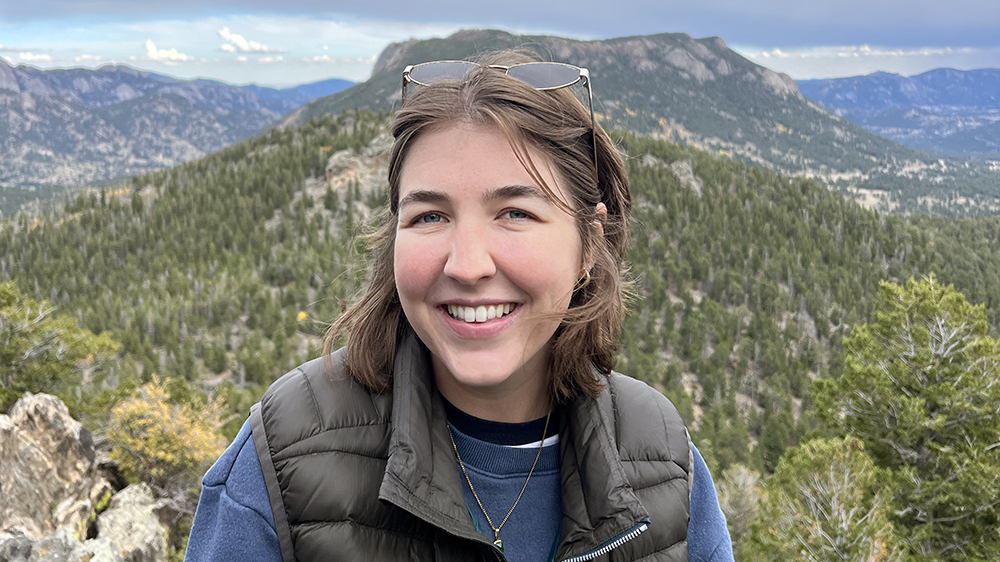
Madi Palmquist is studying the impact of invasive cattail harvesting on waterbird communities.
Madi Palmquist is studying the impact of invasive cattail harvesting on waterbird communities. Her research project utilizes passive acoustic monitoring and BirdNET analysis to remotely monitor bird vocalizations. Madi earned her bachelor’s degree in environmental science at Loyola and is now a second-year master’s student working in Michigan wetlands with the SES research group Team Typha. Outside of the lab, Madi enjoys rock climbing, baking, and rosemary sea salt bagels at Rivers & Roads.
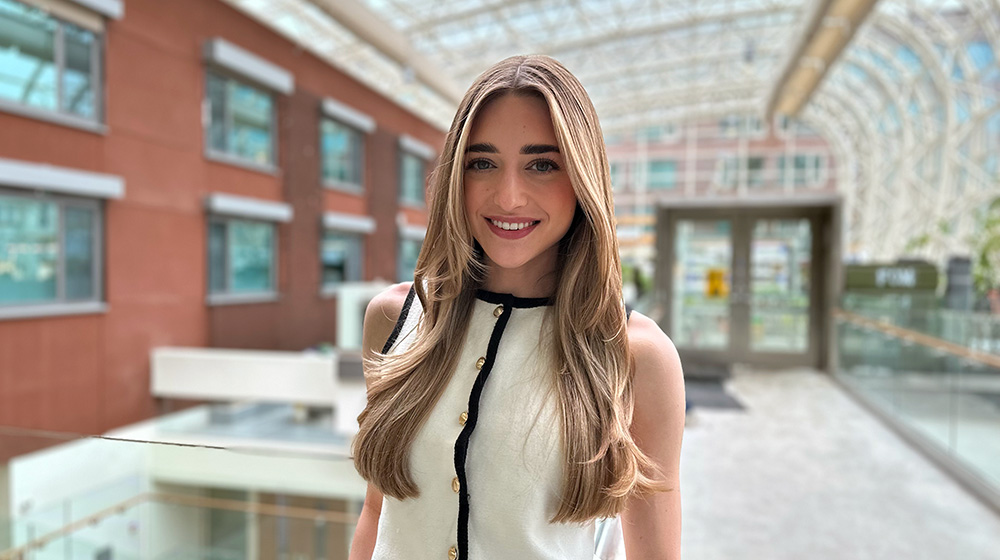
Caitlyn Smith is examining how pluvial flood risk affects residential location decisions and housing prices in Chicago.
Caitlyn Smith recently earned a BA in environmental policy from SES and is now a first-year research-track graduate student with interests in urban policy and environmental economics. Her research focuses on environmental risk and its implications for economic outcomes. She is examining how pluvial flood risk affects residential location decisions and housing prices in Chicago. Using neighborhood-level data, she analyzes how these relationships vary across income, race, and ethnicity.
Megan Cunnison studies starry stonewort (Nitellopsis obtusa) invasions in Chicago’s Lake Michigan harbors through SCUBA surveys and the development of an environmental DNA assay. As a master’s student in the Keller Lab, she is often found in Chicago’s harbors and the SES labs studying aquatic invasive species. Megan has loved learning about Lake Michigan as a student, researcher, and recreator. “Experiencing droughts and algae blooms, observing fish and invertebrates, and rafting in freshwater ecosystems have inspired me to study them,” she said.
Kelly Evans is working with the Chicago Farmers Market Collective to discover the barriers and supports related to the recovery of fresh produce at Chicago farmers’ markets. She will present research designed to help expand food recovery, reduce food waste, and increase food security. Kelly is dually enrolled as an undergraduate in environmental studies and a research-track graduate student. She leads Food Recovery Network and serves as an editor for the Student Environmental Alliance’s Leaflet. Aside from her interest in food systems, she engages with environmental justice organizations in Rogers Park to advance equitable access to environmental resources.
MacKenzie Michaels is studying the vegetation response to invasive cattail harvest in a 56-acre marsh at Shiawassee National Wildlife Refuge in Saginaw, Michigan. She is working toward her master’s degree in environmental science while conducting research with Team Typha, a wetland ecology lab led by Brian Ohsowski, PhD, and Shane Lishawa, MS. Before starting at Loyola, MacKenzie held seasonal positions for several years in habitat conservation, environmental education, ecosystem restoration, and community development. In her free time, she enjoys climbing at First Ascent Uptown, kayaking on the Chicago River, and scrolling Petfinder for dog content.
Madi Palmquist is studying the impact of invasive cattail harvesting on waterbird communities. Her research project utilizes passive acoustic monitoring and BirdNET analysis to remotely monitor bird vocalizations. Madi earned her bachelor’s degree in environmental science at Loyola and is now a second-year master’s student working in Michigan wetlands with the SES research group Team Typha. Outside of the lab, Madi enjoys rock climbing, baking, and rosemary sea salt bagels at Rivers & Roads.
Caitlyn Smith recently earned a BA in environmental policy from SES and is now a first-year research-track graduate student with interests in urban policy and environmental economics. Her research focuses on environmental risk and its implications for economic outcomes. She is examining how pluvial flood risk affects residential location decisions and housing prices in Chicago. Using neighborhood-level data, she analyzes how these relationships vary across income, race, and ethnicity.