
Undergraduate Degrees
Undergraduate Degrees
The School of Environmental Sustainability's bachelor’s degree programs equip students with the knowledge and hands-on experience to solve urgent environmental challenges. Students build knowledge and experience through internships, faculty-mentored research, and practical coursework, working closely with passionate faculty committed to training future environmental leaders. Graduates emerge with a diverse skill set that positions them for success in a wide range of career paths.
Majors
- BS in Environmental Science
Concentrations available with the BS in Environmental Science: - BA in Environmental Studies
- BA in Environmental Policy
- BA in Environmental Economics and Sustainability: Governance or Management
Interdisciplinary curriculum
All SES students, whether in a BS or BA track, take courses in the biological and physical sciences, social sciences, and humanities, gaining a solid foundation in the ecological and physical sciences as well as the cultural, political, and economic contexts in which environmental issues occur. This well-rounded curriculum prepares graduates to work with people across sectors and disciplines to create effective solutions.
Experiential learning
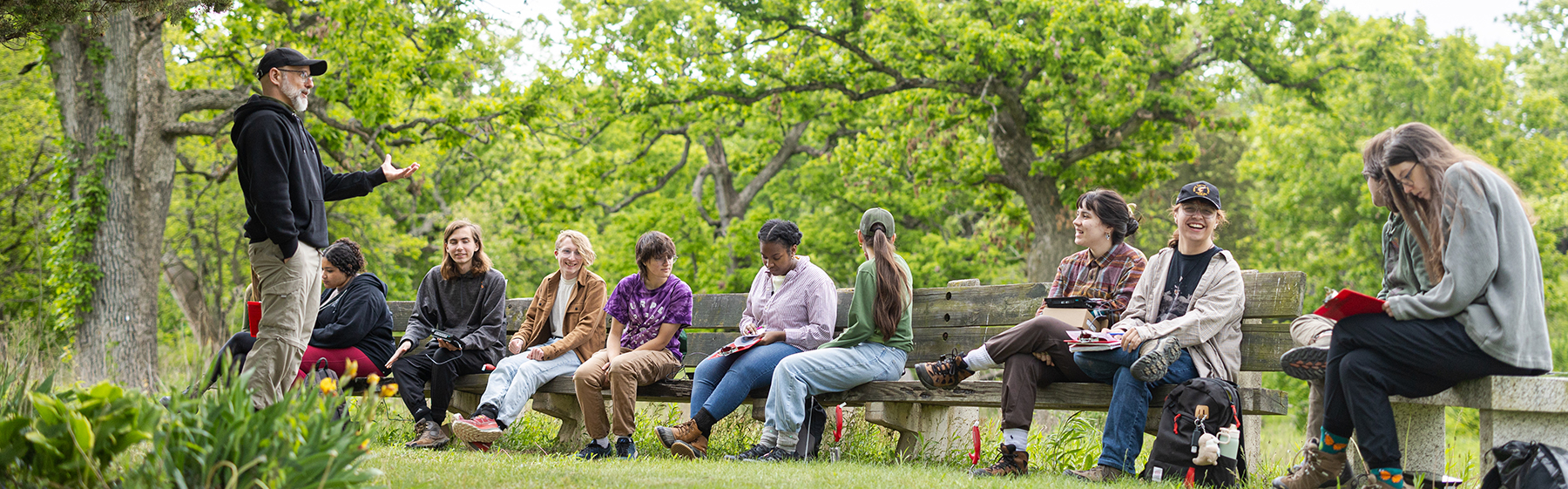
SES offers extensive hands-on learning experiences. Students explore their interests and develop valuable skills and knowledge through faculty-mentored research, immersive courses, internships, campus environmental initiatives, and student clubs. For example, SES offers opportunities to:
- Work with a team to address a real-world sustainability issue through a Solutions to Environmental Problems [STEP] course.
- Build valuable work experience through an internship within SES or with an external partner organization.
- Work with a faculty mentor to conduct independent research.
- Learn about ecology while exploring nearby natural areas during an immersive course at the Loyola University Retreat and Ecology Campus (LUREC).
- Join the team in the student-run Searle Biodiesel Lab to convert used cooking oil into renewable fuel for campus shuttle buses.
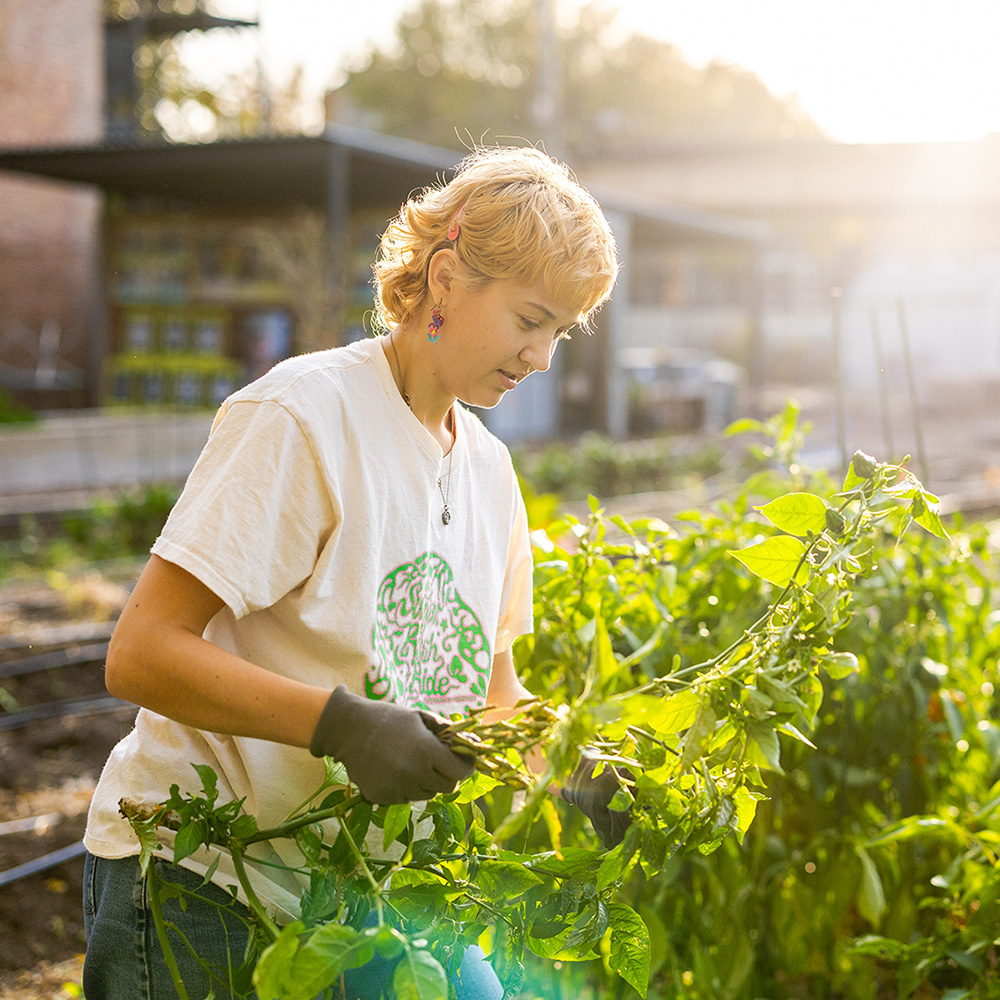
- Advance sustainable, equitable food systems by participating in the Urban Agriculture program or the Food Recovery Network.
- Participate in Restoration Club activities to improve local ecosystem health and gain experience with ecological restoration practices.
Accelerated master's pathways
Students in all SES bachelor’s degree programs have the option of earning both a bachelor’s degree and a master’s degree in five years instead of six through our accelerated master's pathways program.
Career outcomes
The School of Environmental Sustainability has a proven track record of preparing graduates for successful, rewarding careers. More than 90 percent of recent graduates are working in their chosen fields or pursuing advanced degrees. Learn more about career outcomes here.
Our Community
Community Engagement
Supporting sustainable food systems
Loyola's Partners in the Chicago Food System program aims to increase access to healthy, sustainably grown food. As part of the program, students participate in paid internships with community groups working on food equity. Student interns support the organizations' missions while gaining valuable hands-on experience.
View the video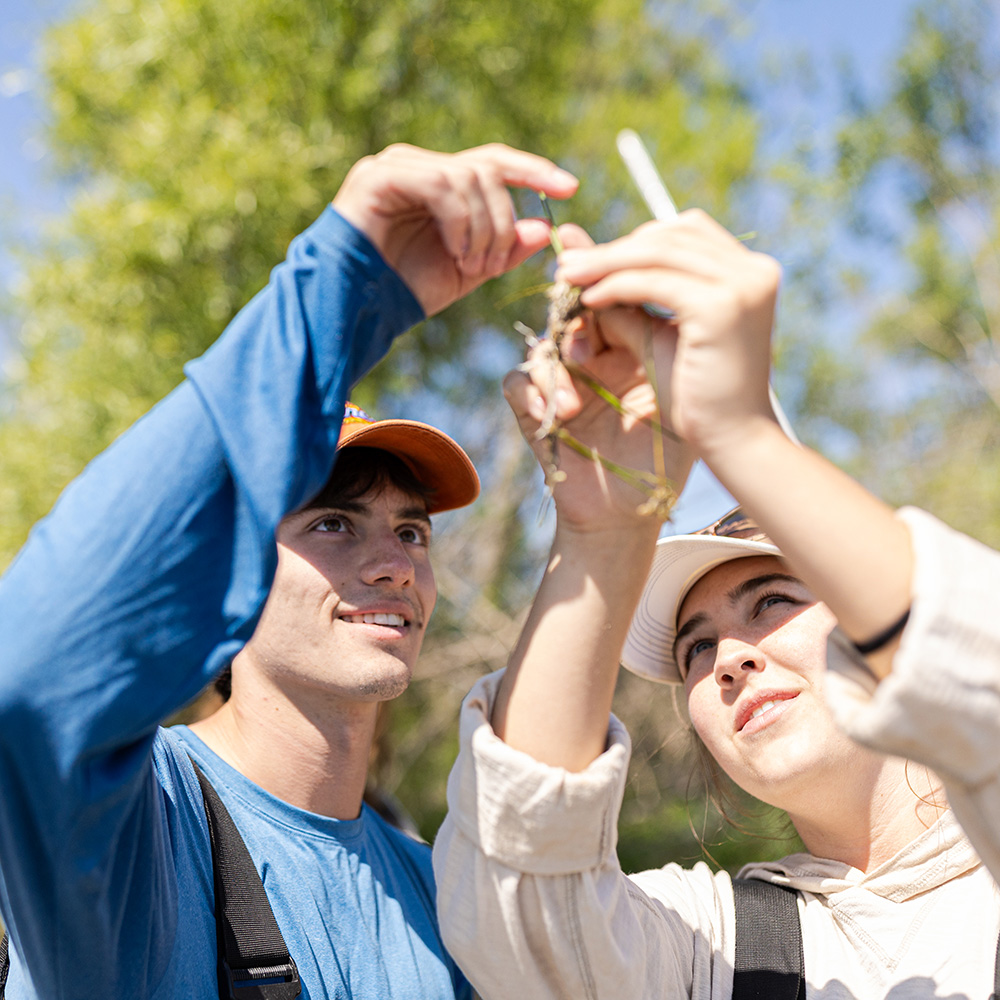
Research
Conservation in action: students engaged in ecological research
Researchers from Loyola University Chicago's School of Environmental Sustainability are devising new methods of restoring biologically diverse wetlands. Students contribute to the research while learning to become independent scientists.
View the video
Climate and Energy
Converting used cooking oil into fuel
Students in Loyola’s School of Environmental Sustainability are converting used cooking oil into renewable biodiesel fuel. Learn more in a new video.
Learn moreMajors
- BS in Environmental Science
Concentrations available with the BS in Environmental Science: - BA in Environmental Studies
- BA in Environmental Policy
- BA in Environmental Economics and Sustainability: Governance or Management
Interdisciplinary curriculum
All SES students, whether in a BS or BA track, take courses in the biological and physical sciences, social sciences, and humanities, gaining a solid foundation in the ecological and physical sciences as well as the cultural, political, and economic contexts in which environmental issues occur. This well-rounded curriculum prepares graduates to work with people across sectors and disciplines to create effective solutions.
Experiential learning
SES offers extensive hands-on learning experiences. Students explore their interests and develop valuable skills and knowledge through faculty-mentored research, immersive courses, internships, campus environmental initiatives, and student clubs. For example, SES offers opportunities to:
- Work with a team to address a real-world sustainability issue through a Solutions to Environmental Problems [STEP] course.
- Build valuable work experience through an internship within SES or with an external partner organization.
- Work with a faculty mentor to conduct independent research.
- Learn about ecology while exploring nearby natural areas during an immersive course at the Loyola University Retreat and Ecology Campus (LUREC).
- Join the team in the student-run Searle Biodiesel Lab to convert used cooking oil into renewable fuel for campus shuttle buses.
- Advance sustainable, equitable food systems by participating in the Urban Agriculture program or the Food Recovery Network.
- Participate in Restoration Club activities to improve local ecosystem health and gain experience with ecological restoration practices.
Accelerated master's pathways
Students in all SES bachelor’s degree programs have the option of earning both a bachelor’s degree and a master’s degree in five years instead of six through our accelerated master's pathways program.
Career outcomes
The School of Environmental Sustainability has a proven track record of preparing graduates for successful, rewarding careers. More than 90 percent of recent graduates are working in their chosen fields or pursuing advanced degrees. Learn more about career outcomes here.