
Biodiversity
Biodiversity
https://youtu.be/Snf8CwITidoBiodiversity
Biodiversity encompasses genetic, species, ecological, functional, and biocultural diversity. We are living through a period of the most rapid and widespread loss of biodiversity experienced in human history. The widespread decline in global biodiversity across the Earth has wide-ranging and severe consequences for ecosystem functioning, human health, and inter-species well-being. Research in the Biodiversity Focus Area examines the drivers of biodiversity loss. It develops strategies for conserving and restoring biodiversity and life-driven relationalities in a just, equitable, and pluriversal way. Our work shows that solutions are possible through basic and applied research, habitat management, education, community partnerships, and participatory action research.
Ecological Restoration
Ecological restoration is an applied, science-based approach to assisting recovery of landscape degradation and destruction in ecosystems across the planet. In tandem with conservation biology, ecological restoration applies science and practice to adaptative ecosystem management to help the recovery of biodiversity, enhance stewardship practices, foster mutual benefits between ecosystems and humanity, and build social-ecological connections. The field of ecological restoration offers solutions that address climate change impacts and land use changes to benefit biodiversity and human well-being.
Conservation Biology
Conservation biology is an applied, interdisciplinary field of science focusing on threats to species, the extent of global biodiversity loss, and ways to work to mitigate their loss. The field incorporates evolutionary biology, population and community ecology, geography, anthropology, wildlife management, and social sciences. Modern approaches to conservation biology focus on how humans and wildlife can coexist in ethical and sustainable ways while mitigating practices that have historically excluded communities from managing their lands. Conservation biologists hope to utilize varied techniques to help establish best management practices to minimize extinction and ensure the long-term viability of endangered species.
Our Programs and Faculty
Related Degrees and Certificates
Learn more about all degrees, minors, and certifications available within SES.
Faculty and Staff
- Marlene Brito-Millán
- John Bieber
- Mary Dinsmore
- Rachel Egly
- Rachel Elfant
- Ray Dybzinski
- Ping Jing
- Reuben Keller
- Shane Lishawa
- Steve Mitten
- Brian Ohsowski
- Chris Peterson
- Tania Schusler
- Stephany Virrueta Herrera
- Coleman Benedict
Facilities
- Analytical Chemistry Lab
- Greenhouse
- GIS Lab
- LUREC
- Rain Gardens
- Research Labs
- STEP Labs
Learn more about our research facilities.
Community Impact
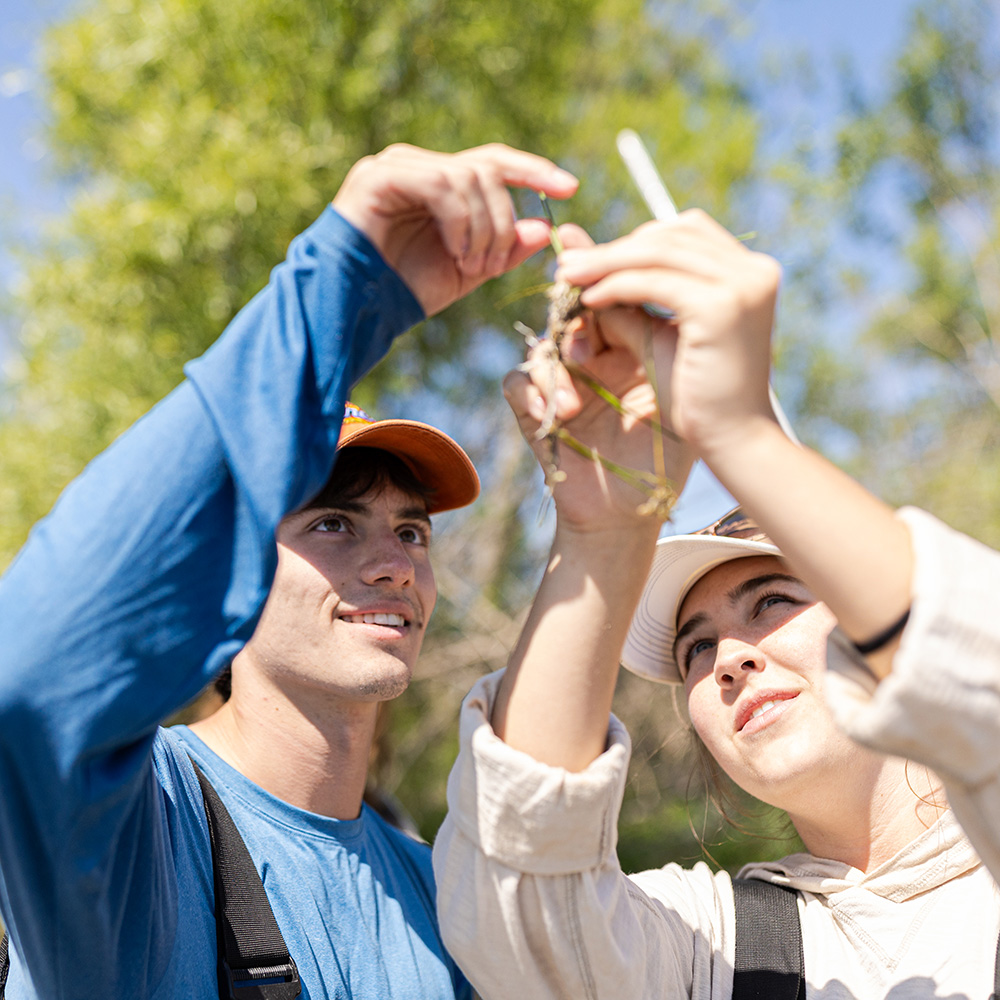
Environmental Restoration
Students engaged in wetland restoration research
Researchers from Loyola University Chicago's School of Environmental Sustainability are devising new methods of restoring biologically diverse wetlands. Students contribute to the research while learning to become independent scientists.
Watch Video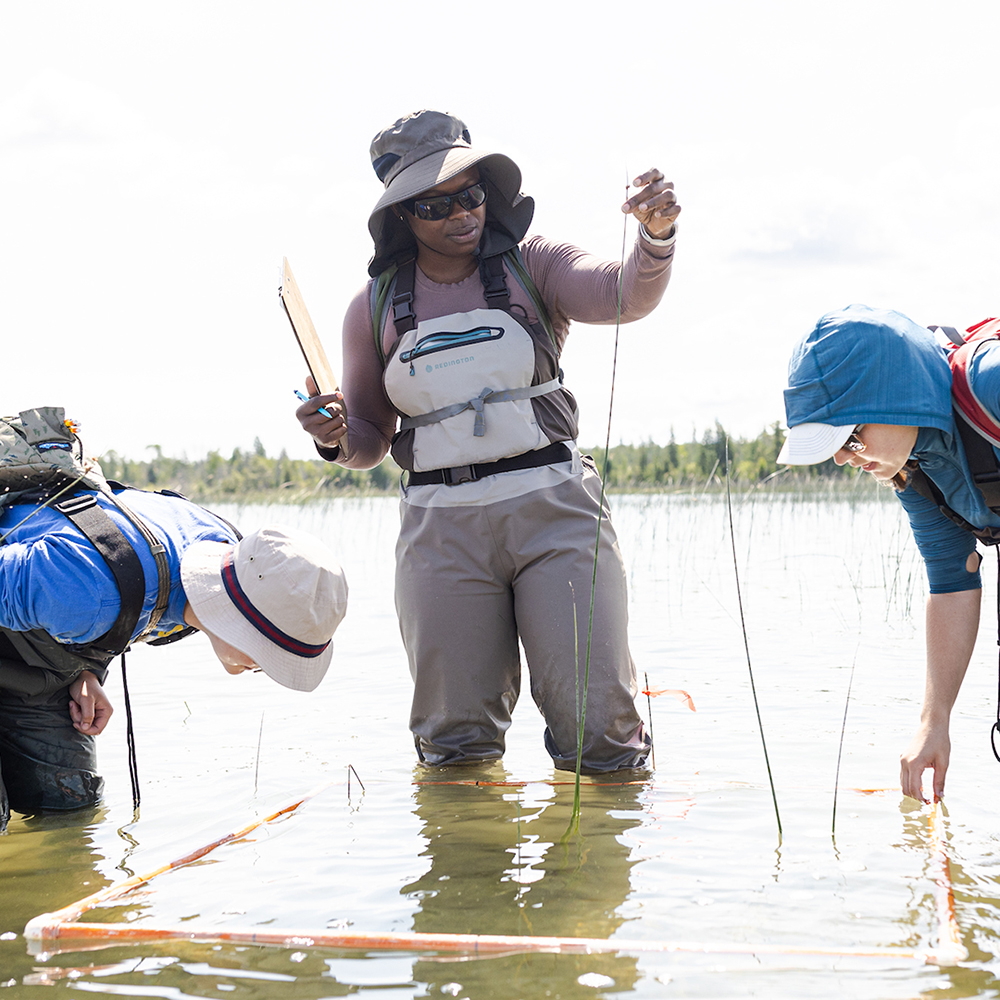
Student Reseach
Sowing Seeds, Reaping Rewards for the Planet
Graduate student Blessing Aleladia is training to take on global environmental challenges. While pursuing her master's degree in environmental science and sustainability, she is building expertise and experience in the ecological restoration of vital wetland ecosystems.
Learn More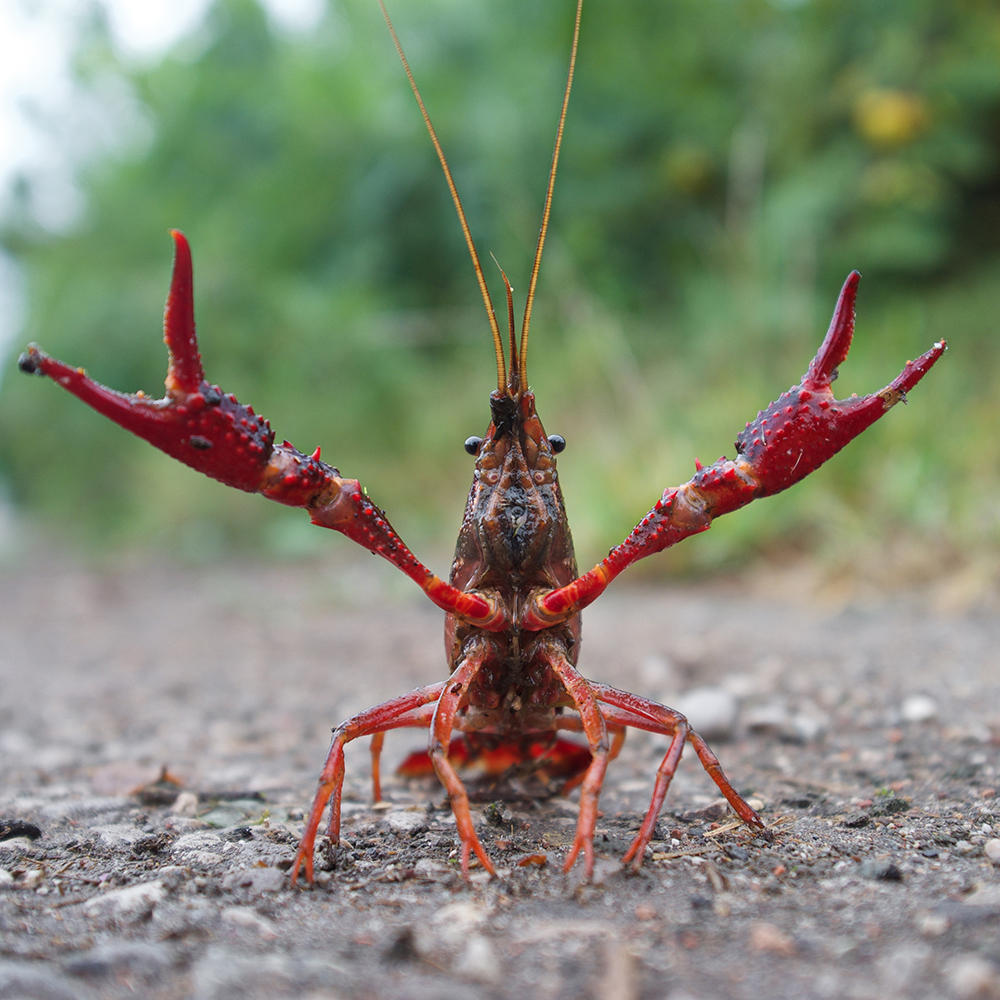
Biodiversity
Managing the arrival and spread of aquatic invasive species
Invasive species are the most significant driver of biodiversity and economic losses in the Great Lakes ecosystem. The Keller lab, led by Professor Reuben Keller, PhD, published two papers that provide novel insights for managing the arrival and spread of invasive species in the Great Lakes.
Learn more