

CHOIR Impact Report
CHOIR Impact Report
DIRECTOR'S WELCOME
Read Dr. Soulakis' Message
Health Equity and Social Determinants of Health
Health equity refers to the concept of fostering an environment where individuals have an equal opportunity to attain their highest level of health and well-being by addressing and eliminating unfair and unjust differences in health and healthcare access among different populations. Health equity recognizes that individuals should not be disadvantaged nor discriminated against in their pursuit of better health based on factors such as race, socioeconomic status, gender, sexual orientation or other social determinants of health. However, it is acknowledged there are vast inequalities in care and outcome that warrant further investigation and intervention.
Marion Malcome, PhD
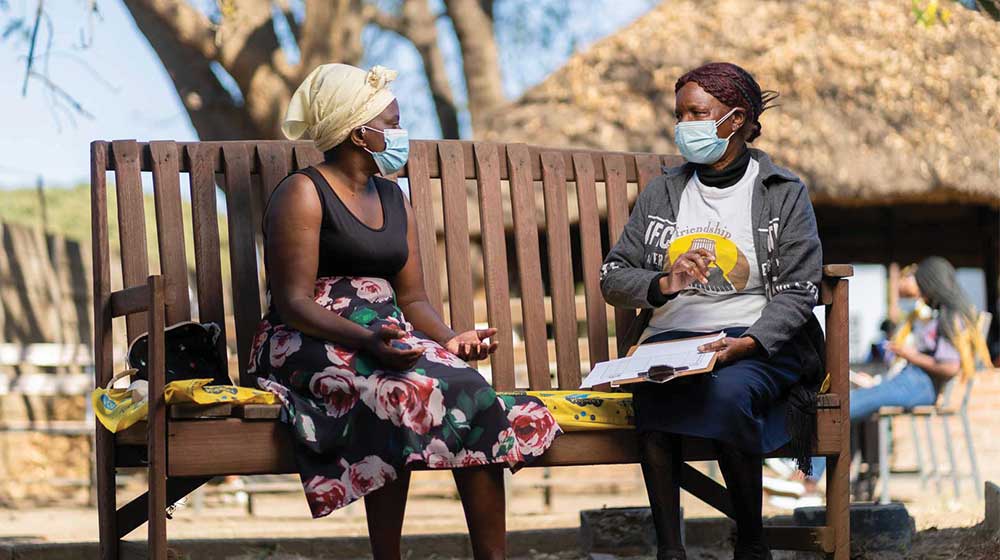
Black Women and Mental Wellness
My research is focused on Black women and Black mothers who are experiencing poverty at the intersection of race, place and mental health. I think about the mental health impact of living and mothering in neighborhoods and communities with high levels of violence and limited opportunities for affordable housing and healthcare.
Learn More
Sandi Tenfelde, PhD
Depression and Health Equity
I’ve been working on, trying to understand from a clinical perspective the kind of care that we’re providing the patients who might be falling through the cracks and what we can do potentially to alter the care that we deliver in order to help our patients have healthier lives.
Learn MoreWe’re improving outcomes in populations who need the help. That’s my main goal. Dr. Talar Markossian
Disease and Clinical Syndrome Prevention
The term “Clinical Syndrome Prevention and Management” refers to a comprehensive approach to preventing and managing specific clinical syndromes, sets of symptoms, that are associated with various medical conditions. Clinical syndromes are clusters of signs and symptoms that tend to occur together and represent a particular disease or abnormal condition. Prevention and management strategies aim to reduce the incidence of these syndromes or effectively control them as they occur.
Talar Markossian, PhD
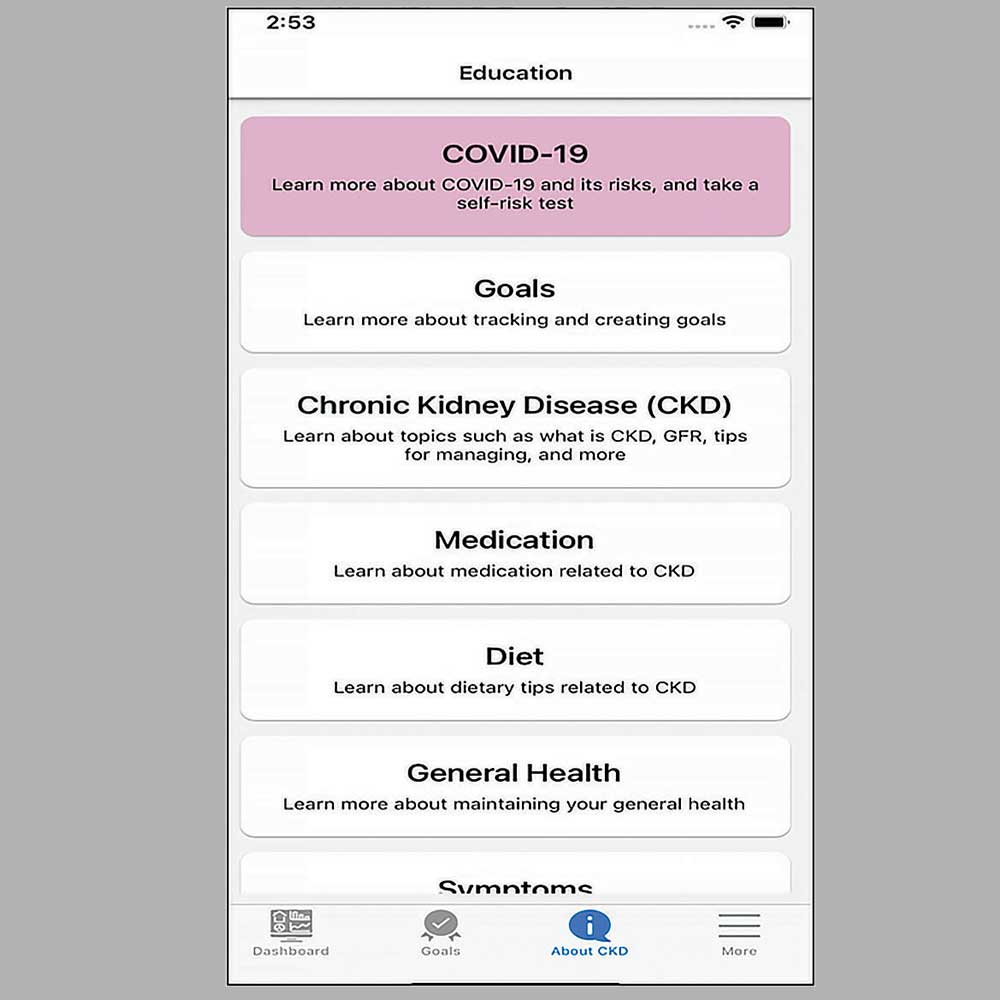
Chronic Kidney Disease Mobile App
My funded project focused on chronic kidney disease self-management via the development of a mobile app. Initially we started with chronic kidney disease and then we incorporated patients with diabetes and hypertension, as these are often the main risk factors for CKD.
Learn More
L. Mark Knab, MD
Postoperative Outcomes
We wanted to examine how social determinants of health may impact the patient’s perioperative state in the hospital and their postoperative course. My hypothesis was that this might be magnified with people going home with tube feeds, surgical drains, or several follow-up appointments.
Learn More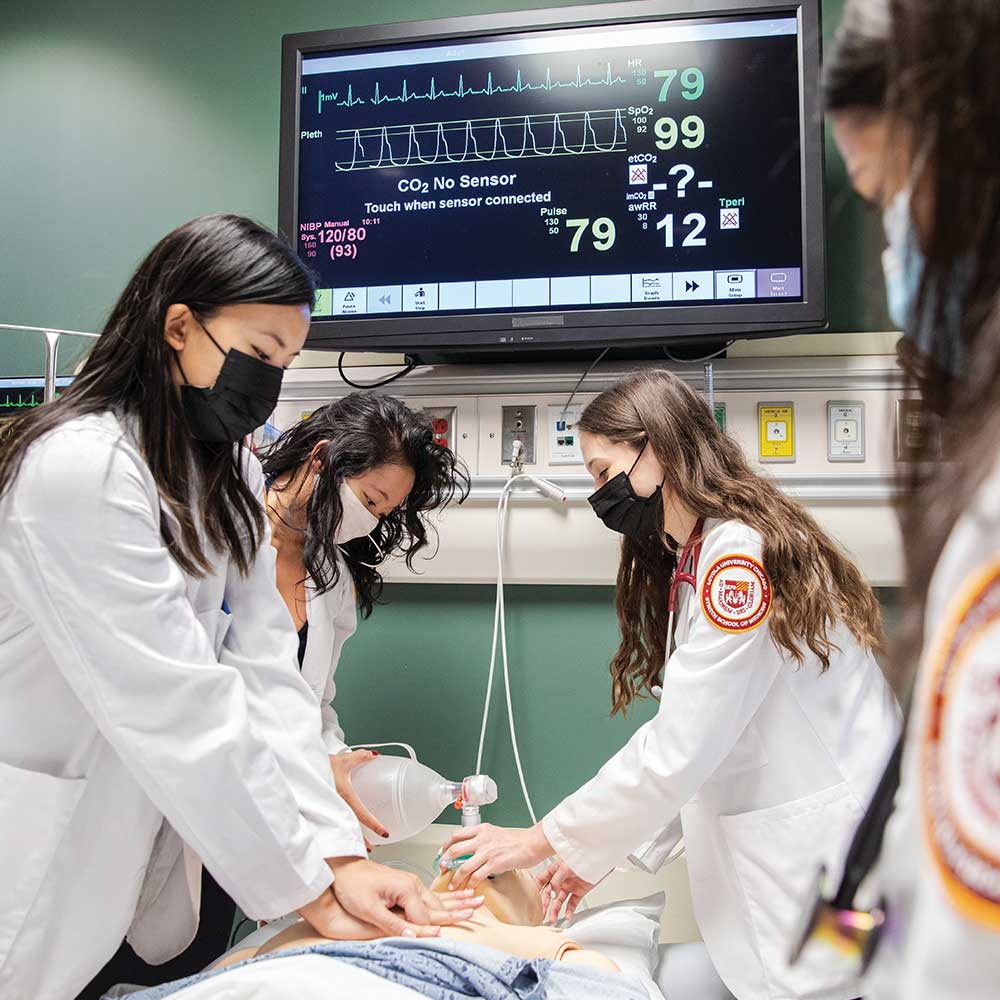
Mohammad Samie Tootooni, PhD
Respiratory Distress and Heart Health
The work of Dr. Mohammad Samie Tootooni focused on the prediction of acute respiratory distress syndrome (ARDS) and ICU admission amongst COVID-19 patients.
Learn More
Kim Oosterhouse, PhD
Delirium Phenotypes
I’ve always had an interest in delirium because I was an ICU nurse for my clinical practice and I have a passion for older adults. Currently, I’m also out in the community in the Edgewater area on the Lake Shore Campus, working with older adults. At any rate, in the ICU, the majority of patients are people aged 65 and older. I was seeing a lot of patients that would become confused, not themselves, and some would start getting physically aggressive and angry.
Learn More
Lifestyle Factors and Health
Lifestyle factors play a role in driving an individual’s health and healthcare outcomes. These factors can either contribute to the maintenance of good health or exacerbate various health conditions.

Amy Bohnert, PhD
Stress, Racism and Sleep
Adolescents don’t sleep enough. We know that. And we know that adolescents residing in urban settings, particularly minoritized individuals, sleep even less. The purpose of my study is to investigate how discrimination, a form of stress, can adversely affect the sleep of adolescents.
Learn More
Patricia “Trish” Sheean, PhD
Body Composition, Nutrition and COVID
People were coming in with COVID-19, going into the ICU and in the beginning, were getting a lot of chest CTs and abdominal CTs. These CTs provide a rich archive of precise body composition data, allowing us to explore the implications of body composition by race and ethnicity in a novel clinical cohort. We know in healthy populations, body composition actually does differ by race and ethnicity. We thought maybe these differences could explain the why we were seeing such stark differences in outcomes by race and ethnicity.
Learn MoreDriving learning and engagement
CHOIR both hosts signature events such as Salon and the Speaker Series and provides support to other initiatives within the Loyola ecosystem to drive learning and engagement, including the Loyola Stands Against Gun Violence Summit, which graduate Idiake “Dee” Irumundomon helped plan.

Salon: Loyola Data Science Day
Since 2023, CHOIR has hosted Salon, an event that brings together students, faculty, staff, alumni, community members, and data science professionals to explore the real-world impact of data science across sectors.
Learn More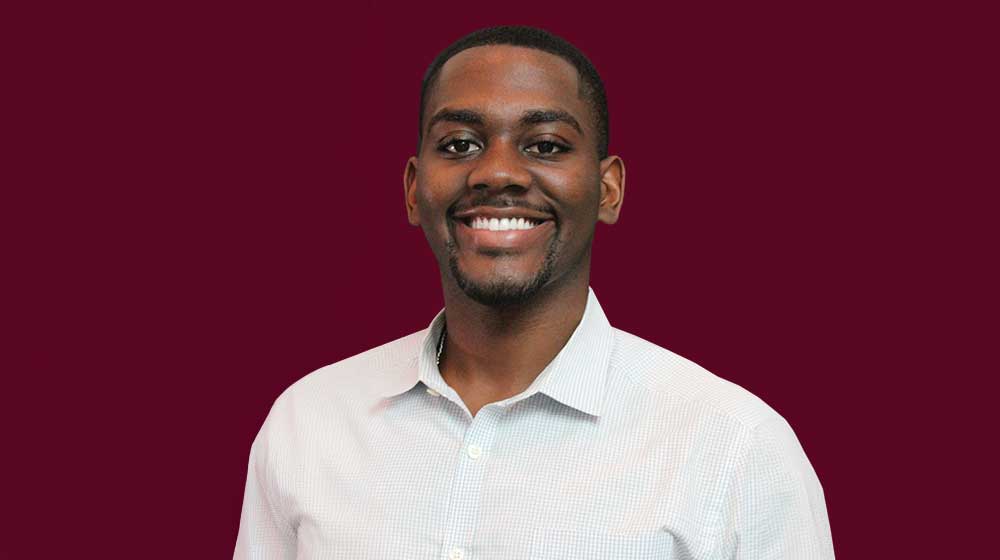
Idiake “Dee” Irumundomon
Idiake “Dee” Irumundomon, recently graduated with a Master’s Degree in Public Health from the Parkinson School. Throughout his graduate studies, Dee held several internships that focused on community interventions and impact. Hoping to pursue a career that influences health system policy, Dee believes involvement within the community and engagement with its members is essential to understanding the crucial areas for change.
Learn MoreHealth Equity and Social Determinants of Health
Health equity refers to the concept of fostering an environment where individuals have an equal opportunity to attain their highest level of health and well-being by addressing and eliminating unfair and unjust differences in health and healthcare access among different populations. Health equity recognizes that individuals should not be disadvantaged nor discriminated against in their pursuit of better health based on factors such as race, socioeconomic status, gender, sexual orientation or other social determinants of health. However, it is acknowledged there are vast inequalities in care and outcome that warrant further investigation and intervention.
Disease and Clinical Syndrome Prevention
The term “Clinical Syndrome Prevention and Management” refers to a comprehensive approach to preventing and managing specific clinical syndromes, sets of symptoms, that are associated with various medical conditions. Clinical syndromes are clusters of signs and symptoms that tend to occur together and represent a particular disease or abnormal condition. Prevention and management strategies aim to reduce the incidence of these syndromes or effectively control them as they occur.
Driving learning and engagement
CHOIR both hosts signature events such as Salon and the Speaker Series and provides support to other initiatives within the Loyola ecosystem to drive learning and engagement, including the Loyola Stands Against Gun Violence Summit, which graduate Idiake “Dee” Irumundomon helped plan.